GridAI Technologies Corp. 2025 Annual Report: Key Points, Shareholder Issues, and Material Developments
1. Strategic Corporate Developments: Major Transition and Rebranding
- Acquisition and Change of Control: In late 2025, GridAI Technologies Corp. underwent a transformative business combination with Grid AI Corp., resulting in a significant change of control. This transaction was deemed a “Change of Control” by Nasdaq under Listing Rule 5110(a), meaning the post-transaction entity was required to satisfy all initial Nasdaq listing criteria and complete the initial listing process, including fee payments and shareholder approval for the second step of the transaction.
- Ongoing Nasdaq Listing Risk: While the company remains listed on the Nasdaq Capital Market as of the report date, failure to satisfy Nasdaq requirements following the transaction could trigger a Staff Delisting Determination and delisting proceedings. This is a material risk for investors, as continued listing on a national exchange is crucial for liquidity, credibility, and access to capital.
- Rebranding: The company rebranded as GridAI Technologies Corp. following the closing of the Grid AI Corp. acquisition, marking its pivot from legacy biopharma to technology-driven energy and AI markets.
2. Nasdaq Compliance Challenges and Resolutions
- Multiple Compliance Issues in 2025: The company faced, and in some cases resolved, several Nasdaq compliance issues:
- Annual Report Filing Delay: As of April 22, 2026, GridAI Technologies was not in compliance with Nasdaq Listing Rule 5250(c)(1) due to a late filing of this Annual Report on Form 10-K for the year ended December 31, 2025. The company has 60 calendar days to submit a compliance plan, with a possible 180-day extension if approved. Failure to regain compliance could result in delisting.
- Annual Meeting Requirement: The company received a notice in January 2025 for not holding the 2024 annual shareholder meeting on time. After submitting a plan and holding the meeting by June 30, 2025, compliance was regained and the matter was closed.
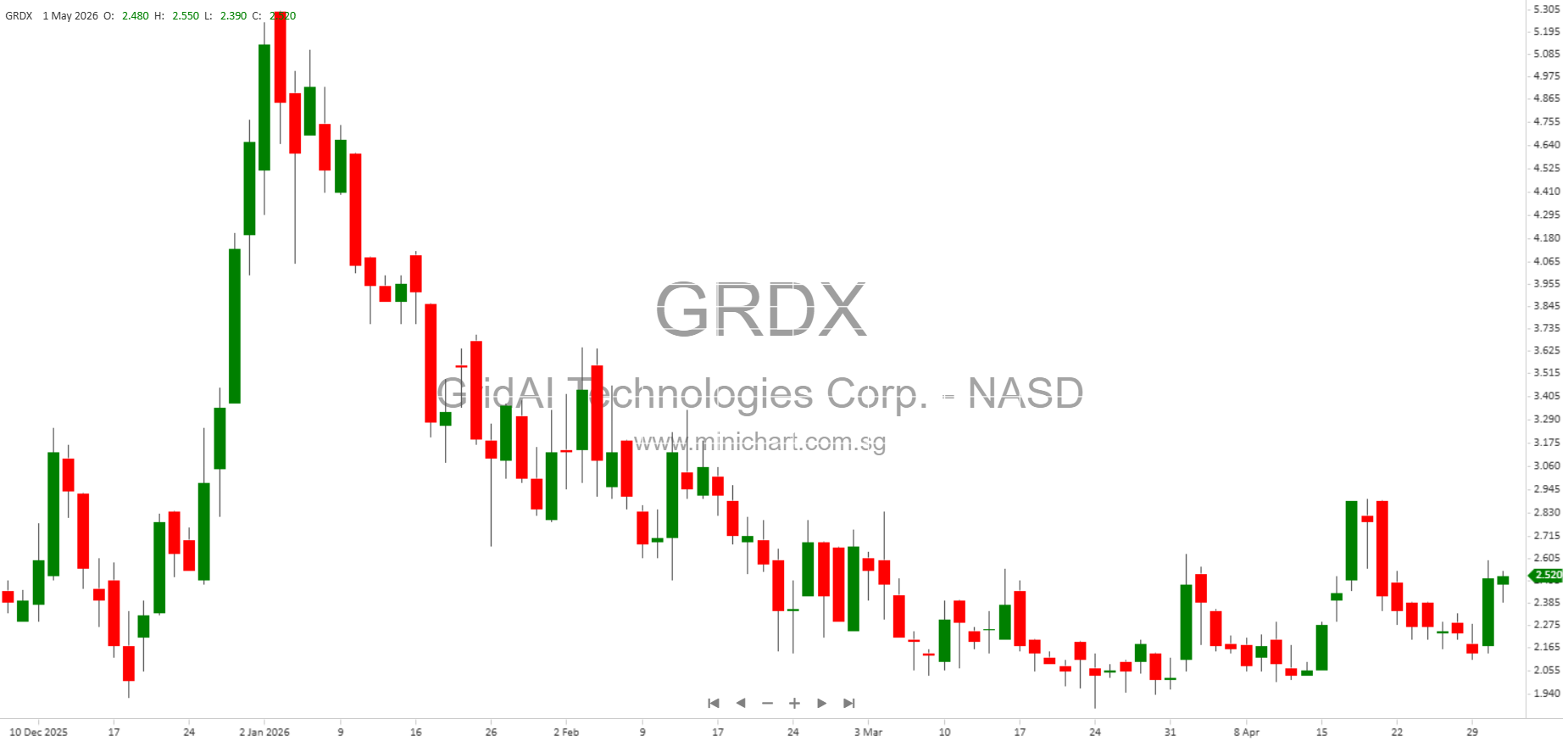
- Minimum Bid Price: In September 2024, GridAI Technologies fell below the \$1.00 minimum bid price. After a 1-for-3 reverse stock split in August 2025, the company regained compliance in September 2025 as the share price remained at or above \$1.00 for ten consecutive business days.
- Stockholders’ Equity Requirement: In April 2025, the company was below the \$2.5 million minimum stockholders’ equity required by Nasdaq, reporting a deficit of \$(3.88) million. After submitting a plan and meeting requirements through subsequent events, the company was deemed compliant by October 2025, though it may face renewed risk if equity falls again.
- Directors’ Resignations: During December 2025, several directors resigned, with one citing disagreements over governance, diligence, and disclosure. Such boardroom instability and public disagreement can be a material risk factor for investors.
3. Financial Position and Capitalization
- Stockholders’ Equity: As of December 31, 2025, stockholders’ equity was reported at \$24.94 million (including noncontrolling interests). However, earlier in 2025, the company had a significant deficit, relying on transactions and possibly asset sales or new financing to restore compliance.
- Outstanding Shares: As of May 1, 2026, there were 6,200,051 shares of common stock outstanding (par value \$0.0001 per share).
- Public Float: The market value of public float as of June 30, 2025, was approximately \$14.9 million, underscoring the small-cap nature of the company and the attendant risks of volatility and liquidity constraints.
- Reverse Stock Split: In August 2025, the company implemented a 1-for-3 reverse stock split to maintain Nasdaq listing requirements, a move that often signals financial distress but was necessary to avoid delisting.
4. Strategic Pivot and Business Model Update
- Shift to Energy and AI Markets: In 2025, GridAI Technologies pivoted strategically:
- Reduced headcount to lower cash burn.
- Refocused on software and technology for energy market optimization, distributed energy resources, and grid intelligence.
- Legacy biopharmaceutical activities are now secondary, with the Adrulipase asset only retaining value as a possible adjunct or therapy burden reduction, rather than as a stand-alone product.
- Regulatory and Environmental Factors: The company’s core operations are software-based, minimizing environmental compliance risks and costs. However, customer projects in energy markets may be subject to changing regulations, which could affect timing and financial outcomes.
5. Forward-Looking Risks and Uncertainties
- Nasdaq Listing Risks: Ongoing compliance with Nasdaq rules is critical for the company’s survival and liquidity. Any delisting would be a severe blow to shareholders.
- Dependence on Capital Markets: The company’s ability to meet working capital requirements and satisfy obligations is dependent on the continued availability of capital and meeting listing standards.
- Geopolitical and Macroeconomic Factors: The company notes that geopolitical events and market conditions (such as the war in Ukraine and Middle East conflicts) could impact the supply chain, access to capital, and business relationships.
- Management Turnover: Director resignations and internal disagreements on governance are material risks that could impact strategic execution and investor confidence.
- Uncertain Legacy Asset Value: The future of the legacy biopharmaceutical assets is highly uncertain, and no guarantee can be given regarding monetization or development.
- Forward-Looking Statements Caution: The company warns that forward-looking statements are subject to substantial risks and uncertainties, including those detailed in the “Risk Factors” section.
6. Issues That May Affect Share Price
- Potential Delisting: The risk of Nasdaq delisting remains elevated unless the company swiftly regains and maintains compliance on all fronts.
- Corporate Transition Risk: The successful integration of Grid AI Corp. and the pivot away from biopharma towards energy and AI will be closely watched by investors. Execution failure could result in further share price pressure.
- Board Instability: Recent director resignations and internal governance disagreements could undermine investor confidence.
- Low Public Float and Reverse Split: Small float and recent reverse split may increase volatility and susceptibility to price swings.
- Ongoing Capital Requirements: The need to raise additional funds, meet working capital requirements, and retain Nasdaq listing status remain key uncertainties.
Conclusion
In summary, GridAI Technologies Corp. is in a period of significant transition, facing multiple compliance challenges with Nasdaq, implementing a major business pivot, and experiencing board turnover. While management has taken steps to resolve listing issues and refocus the company, the risk of delisting, the need for additional capital, and strategic execution challenges remain material factors that could drive share price volatility in the near term.
Disclaimer: This article is a summary and analysis of GridAI Technologies Corp.’s 2025 Annual Report and related disclosures. It does not constitute investment advice. Investors should review the full SEC filings and consult their financial advisor before making any investment decisions. This document contains forward-looking statements subject to risks and uncertainties. Actual results may differ materially from expectations.