Avangaad Berhad Proposes Share Buy-Back Authority: What Investors Must Know
Introduction
Avangaad Berhad has announced an important proposal that will be tabled at its Thirty-Second Annual General Meeting (32nd AGM) scheduled for 8 June 2026. The company is seeking shareholder approval for a Proposed Share Buy-Back Authority, which, if granted, would allow Avangaad Berhad to purchase up to 10% of its total issued shares on the open market.
Key Points of the Proposal
- Authority Scope: The buy-back authority allows Avangaad to purchase up to 10% of its issued share capital, equating to up to 132,625,000 shares based on the current issued shares of 1,326,250,000.
- Duration: The authority, if approved, remains effective until the next AGM, unless renewed or revoked earlier by shareholders.
- Purchase Price: The buy-back price must not exceed 15% above the weighted average market price for the five market days immediately preceding the purchase. Resale of treasury shares must not be less than the weighted average price for the five days before resale or at a maximum 5% discount under specific conditions.
- Funding: The buy-back can be funded via internally generated funds and/or bank borrowings, provided it does not exceed the company’s retained profits. As at 28 February 2026, retained profits stand at RM82.57 million at the company level.
- Public Shareholding Spread: The company will not execute the buy-back if it would result in public shareholding falling below 25%.
- Treatment of Bought Shares: Purchased shares may be cancelled, held as treasury shares, distributed as share dividends, resold, or transferred for employee share schemes or as purchase consideration.
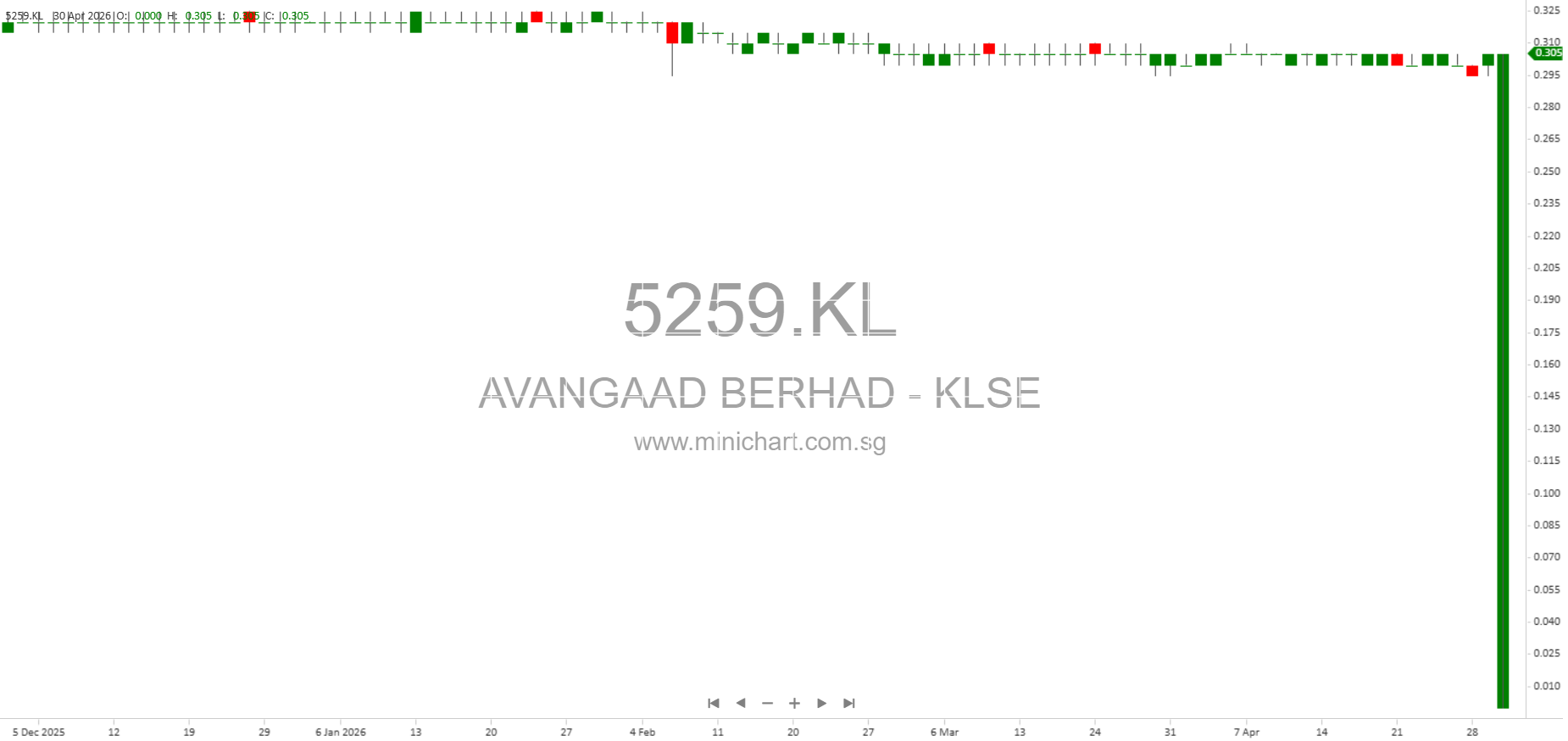
- Historical Share Price: The most recent closing price before the statement was RM0.305 per share. Over the past year, the stock has traded between RM0.27 and RM0.335.
Potential Impact on Shareholders and Share Price
- EPS Enhancement: If shares are cancelled, the reduced share base could increase earnings per share (EPS), potentially supporting a higher share price.
- Dividend Alternatives: Treasury shares may be distributed as share dividends, offering an alternative form of reward to shareholders.
- Price Stability: The buy-back may reduce share price volatility and support the market price, which may be positive for investor sentiment.
- Potential Disadvantages: The use of cash or borrowings for the buy-back may reduce funds available for other investments or dividends and could impact future cash flows and interest income.
- Take-Over Implications: Shareholders whose percentage stake increases above certain thresholds due to the buy-back may inadvertently trigger a mandatory general offer (MGO) obligation under the Malaysian Code on Take-Overs and Mergers.
Details for Investors and Shareholders
- Shareholder Approval Required: The proposal is subject to approval at the 32nd AGM. The deadline to submit proxy forms is 6 June 2026 at 9:00 a.m.
- No Recent Buy-Back Activity: The company currently holds no treasury shares and has not bought back any shares in the past 12 months.
- Material Litigation: No material litigation or claims that could impact the financial position of the group as at the latest practicable date.
- Directors’ and Major Shareholders’ Interests: Save for the proportional increase in shareholding percentage, no directors or major shareholders have any direct or indirect interests in the proposed buy-back or potential resale of treasury shares.
Why This Matters for Share Price
Share buy-back programs are often viewed positively by the market as they signal management’s confidence in the company’s value and can improve key metrics like EPS. The flexibility to cancel or reissue shares allows the company to respond dynamically to market conditions. However, investors must also consider the opportunity cost of using retained earnings or borrowings for share repurchases instead of other investments or dividends.
The buy-back may also tighten the free float, especially given the current public shareholding spread is not far above the minimum required threshold, which could impact liquidity and share price movements.
Next Steps for Investors
- Review the full details in the company’s annual report and the official buy-back statement.
- Consider the potential impact on EPS, dividends, and share price.
- Attend the AGM or submit proxy forms by the deadline if you wish to vote on the resolution.
Disclaimer
This article is for informational purposes only and does not constitute investment advice. Investors should conduct their own due diligence and consult their professional advisers before making any investment decisions. Neither the author nor the publisher accepts any liability for losses incurred as a result of reliance on this information.