Spirit Aviation Holdings, Inc. (Formerly Spirit Airlines) Files 2025 10-K/A: Bankruptcy, Executive Compensation, and Governance in Focus
Key Highlights from the 2025 Amended Annual Report
- Company filed for Chapter 11 bankruptcy on August 29, 2025
- No financial statements included in this amendment
- Major changes in executive leadership and compensation strategy
- Significant retention bonuses awarded to executives post-bankruptcy
- Company market value as of June 30, 2025: \$129 million
- Outstanding shares as of April 28, 2026: 28,365,259
- Company not a “well-known seasoned issuer”; classified as an Accelerated Filer and Smaller Reporting Company
Material Events and Shareholder-Relevant Developments
1. Chapter 11 Bankruptcy Filing
On August 29, 2025, Spirit Aviation Holdings, Inc. and all its subsidiaries filed voluntary petitions for relief under Chapter 11 of the Bankruptcy Code. This is the company’s second bankruptcy in as many years, following a prior filing in 2024. The company has acknowledged this extraordinary event and its impact on both operations and executive compensation.
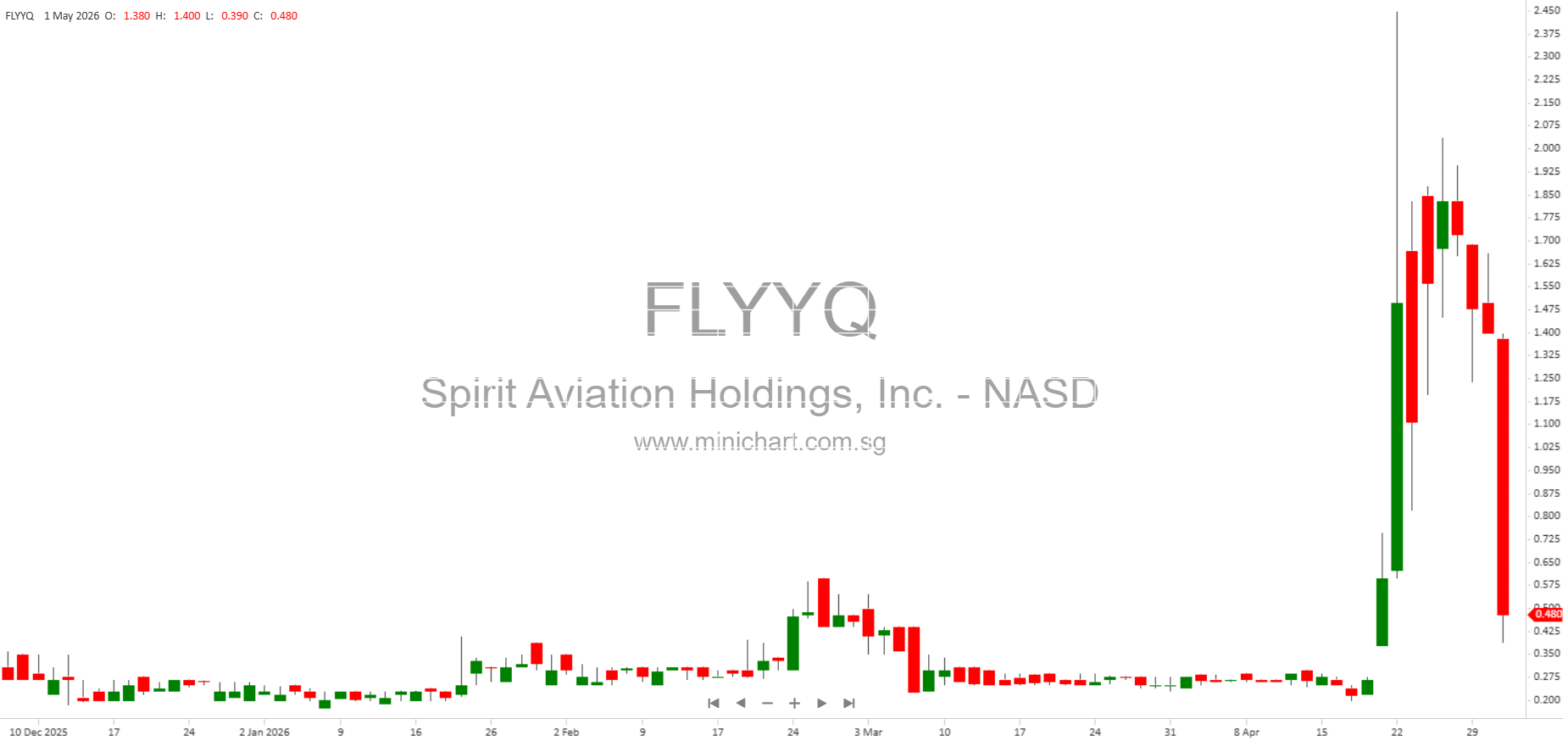
Shareholder Impact: The bankruptcy filing is a highly material and price-sensitive event. It indicates significant financial distress, potential restructuring, and risks to equity holders, including possible dilution or loss of value.
2. Executive Leadership and Retention Compensation
In response to the bankruptcy and ongoing uncertainty, Spirit has implemented major changes to its executive compensation program:
- Retention Bonuses: Executives, including the CEO, CFO, COO, General Counsel, and Chief Commercial Officer, were awarded substantial retention bonuses and equity incentives to ensure continuity of leadership.
- Executive Compensation Philosophy: The company’s strategy is to attract and retain top talent, align compensation with strategic objectives, and mitigate turnover risk during restructuring. This includes short-term and long-term incentive plans, equity awards, and market-competitive salaries.
-
2025 Compensation Examples:
- CEO David M. Davis: \$650,000 salary, \$1,132,000 stock awards, \$506,735 non-equity incentive plan compensation, \$325,000 bonus, and \$20,608 in other compensation, totaling \$2,634,342 for 2025.
- COO John Bendoraitis: \$555,000 salary, \$1,163,225 stock awards, \$253,367 non-equity incentive, \$170,000 bonus, \$34,012 other, totaling \$1,770,879.
- Chief Commercial Officer Arijit R. Ghosh: \$36,644 other compensation; full 2025 salary and incentives not detailed but received significant equity and cash awards as part of retention strategy.
- Equity and Incentive Awards: Executives received Restricted Stock Units (RSUs) and Performance Stock Units (PSUs) with multi-year vesting, cash performance awards, and retention agreements in the context of bankruptcy.
- Governance and Oversight: The Compensation Committee retains an independent consultant, and the company maintains clawback policies, anti-hedging/pledging rules, and caps on payouts.
Shareholder Impact: High levels of executive retention pay and equity awards during bankruptcy may be controversial and could impact future dilution, as well as shareholder perception of management stewardship.
3. Share Performance and Market Metrics
- Public float as of June 30, 2025: approximately \$129 million — a substantial decrease from prior years, reflecting the market’s assessment of bankruptcy risk.
- Shares outstanding as of April 28, 2026: 28,365,259.
- No securities registered under Section 12(b) or 12(g) of the Exchange Act — shares may be thinly traded, increasing volatility.
4. Company Status and Governance
- Spirit Aviation Holdings, Inc. is not a “well-known seasoned issuer,” but is classified as an Accelerated Filer and Smaller Reporting Company.
- The Board and its committees (Audit and Risk, Compensation, Nominating and Corporate Governance, and Strategy and Finance) continue to function, with all Audit and Risk Committee members considered financial experts and independent.
- The company has adopted a Code of Conduct and Insider Trading Policy, and maintains standard governance practices.
Potential Price-Sensitive Issues for Investors
- Bankruptcy and Restructuring Risk: The ongoing bankruptcy process presents major uncertainty for equity holders, including risk of dilution, loss of value, or potential delisting.
- Executive Compensation: Retention and incentive awards to top management during financial distress may attract attention from shareholders and governance advisory firms.
- Market Value and Trading: Low public float and lack of registration on major exchanges may result in increased volatility and illiquidity.
- No Financial Statements in Amendment: This filing does not include updated financial statements — investors should closely monitor future filings for clarity on the post-bankruptcy financial condition.
Conclusion
The 2025 10-K/A filing by Spirit Aviation Holdings, Inc. signals a company in transition, facing significant financial and operational challenges. The bankruptcy filing and resulting executive compensation strategies are highly material events that will continue to shape the investment outlook and share price volatility. Investors should exercise caution and monitor ongoing developments as the company proceeds through its Chapter 11 process.
Disclaimer: This article is for informational purposes only and does not constitute investment advice or a recommendation. Investors should conduct their own due diligence and consult professional advisors before making investment decisions relating to Spirit Aviation Holdings, Inc.