KalVista Pharmaceuticals 2025 Transition Report: Detailed Investor Update
Key Highlights from the 10-KT/A Filing
- Transition Period Reporting: This report is an amendment to KalVista’s Transition Report for the eight-month period ended December 31, 2025. The amendment was necessary to include information required by Parts II and III of Form 10-K, which was not previously filed as the company will not issue a proxy statement within 120 days after the period end.
- Financial Snapshot: As of June 30, 2025, the company’s public float was approximately \$498.8 million. As of March 18, 2026, there were 51,222,487 shares of common stock outstanding.
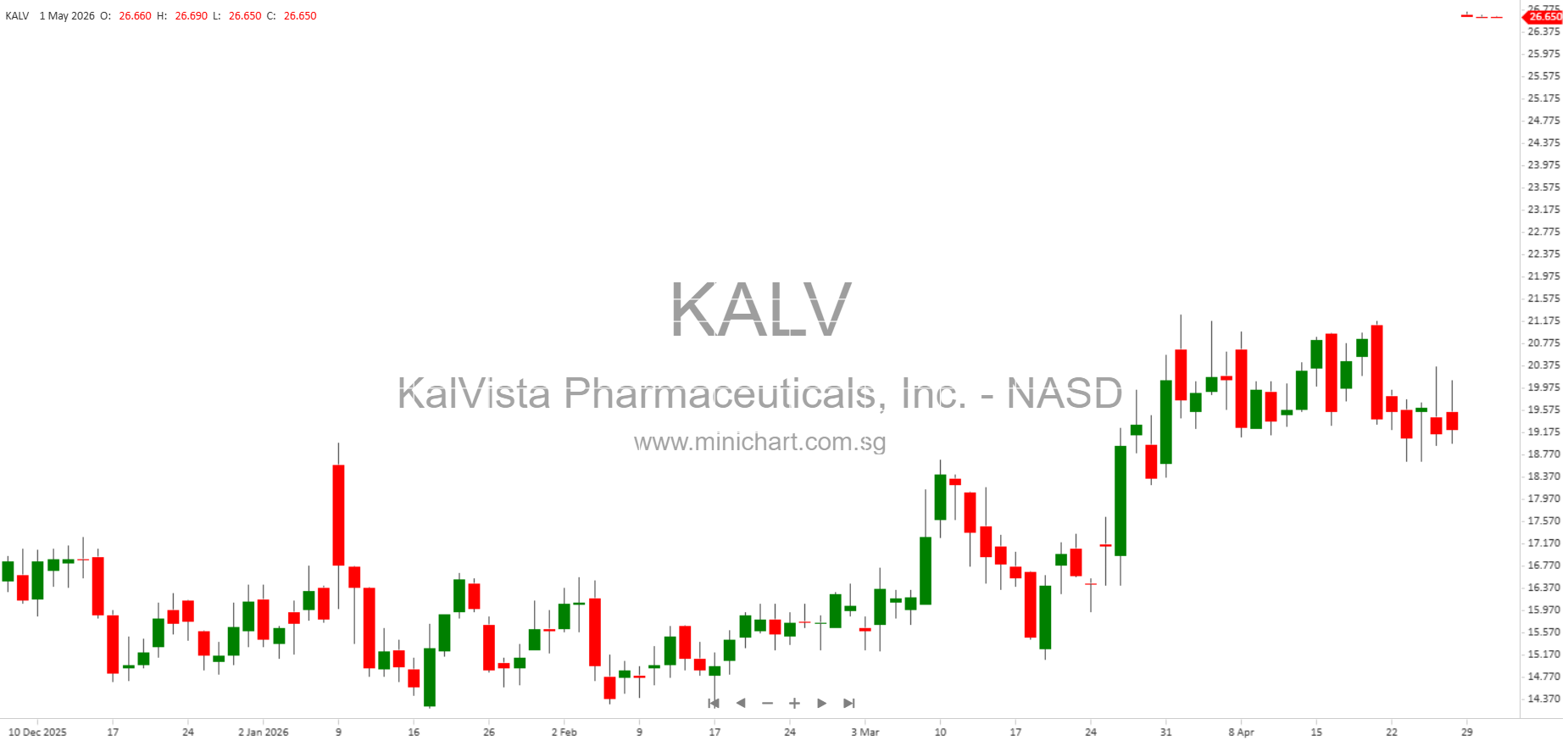
- Stock Information: KalVista’s common stock trades on The Nasdaq Global Market under the symbol KALV.
- Filing Status: The company is a non-accelerated filer, a smaller reporting company, and not an emerging growth company.
- Audit Committee and Governance: KalVista’s Audit Committee is responsible for overseeing accounting, financial reporting, internal controls, and the appointment of the independent auditor. Current members include Brian J. G. Pereira, M.D., Bethany Sensenig, and Edward W. Unkart (Chair).
Executive Leadership and Compensation
- Leadership Team: The executive team includes CEO Benjamin L. Palleiko (age 60), CFO Brian Piekos (age 51), COO Bilal Arif (age 53), and CMO Paul K. Audhya.
- Named Executive Officers (NEOs):
- Benjamin L. Palleiko – CEO
- Bilal Arif – COO
- Paul K. Audhya – CMO
- Compensation Policy: KalVista’s executive compensation is structured to be competitive and performance-based, with a focus on achievement of both short-term and long-term objectives. For the transition period, the company complied with scaled disclosure requirements for smaller reporting companies.
- Pay Versus Performance: The company provided “pay versus performance” disclosures per Dodd-Frank requirements, but as a smaller reporting company, the disclosure is less comprehensive than for larger companies. For the 2025 Transition Period, average compensation actually paid to non-PEO NEOs was \$880,321, with a total shareholder return (TSR) value of \$126.87 (based on a \$100 investment at the start of the period). Net income for the period was a loss of \$109.5 million.
Equity Compensation and Insider Policies
- Equity Compensation Plans: As of December 31, 2025:
- Equity compensation plans approved by security holders had 4,932,241 shares issuable upon exercise, with a weighted average exercise price of \$14.09 and 2,576,709 shares available for future grants.
- Plans not approved by security holders had 1,841,169 shares issuable (average exercise price \$11.07) and 61,245 shares available for future grants.
- Insider Trading and Clawback Policy: All directors, officers, and employees are prohibited from hedging or pledging company securities. The company adopted a “clawback” policy to recover incentive-based compensation in the event of a restatement of financial results, in line with SEC and Nasdaq rules.
- Equity Award Practices: The Compensation Committee does not time equity grants around the release of material non-public information, nor does it time the release of information to affect compensation values.
- 10b5-1 Plans: Some directors and executives have entered into pre-arranged trading plans for company stock, executed by brokers without further direction from the insiders.
Share Ownership
- Major Shareholders: The report includes a table (not fully rendered here) listing all beneficial owners of more than 5% of the company’s common stock, each NEO, each director, and all executive officers and directors as a group as of April 15, 2026. This information is material for investors monitoring insider and institutional ownership.
Other Shareholder Information
- Annual Meeting and Proxy Statement: The company will not file a proxy statement within 120 days after the transition period end, which is why this amendment was necessary.
- Section 16(a) Compliance: All required insider filings were timely, except for one late Form 3 and one late Form 4 by Nicole Sweeny, attributed to administrative error.
Potential Price-Sensitive or Shareholder-Relevant Issues
- Restatement and Clawback Policy: The adoption of a compensation recovery (“clawback”) policy in compliance with SEC and Nasdaq rules is significant. If the company restates its results, executives may be required to return incentive compensation, which is a critical governance and risk factor for investors.
- Substantial Net Loss: The net loss for the transition period was \$109.5 million. This is a substantial negative result and may influence share price and investor sentiment, especially when compared to losses in prior years.
- Equity Grant and Ownership Structure: The large number of shares outstanding under compensation plans, and the relatively low exercise prices compared to market, could have a dilutive effect in the future.
- No Proxy Statement: The company’s decision not to file a proxy statement within 120 days after period end may be a concern for some shareholders focused on governance and transparency.
Conclusion
The 10-KT/A amendment from KalVista Pharmaceuticals provides a comprehensive update on governance, executive compensation, and equity structure for the eight months ended December 31, 2025. Investors should note the company’s continued unprofitability, the adoption of stricter clawback and insider trading policies, and the substantial number of shares available under compensation plans. These factors, along with the company’s reporting status and lack of a proxy statement, are all material to investment decisions and could influence share price in the near term.
Disclaimer: This article is a summary and interpretation of information extracted from KalVista Pharmaceuticals’ 10-KT/A SEC filing for the transition period ended December 31, 2025. It is for informational purposes only and does not constitute investment advice. Investors should review the full filing and consult with a qualified financial advisor before making investment decisions. The author and publisher are not responsible for any actions taken based on this information.