Wells Fargo & Company Reports Q1 2026 Financials: Key Insights for Investors
Executive Summary
Wells Fargo & Company (NYSE: WFC) has released its 10-Q quarterly filing for the period ended March 31, 2026. This report provides an in-depth look into the bank’s performance, asset quality, equity structure, and ongoing legal matters, all of which are essential for investors monitoring the company’s health and potential share price movement.
Key Points in the Q1 2026 Report
- Period Covered: Q1 2026 (January 1 – March 31, 2026)
- Stock Exchange: NYSE
- Share Structure: Common stock par value per share: \$1.6666
- Segment Reporting: The Chief Executive Officer is the chief operating decision maker.
- Accounting Policies: Notably, for debt securities and financing receivables, the company uses the “Reversing interest income” write-off method for accrued interest, which may impact credit loss reporting and income statement volatility.
Asset Quality and Credit Risk
- Credit Quality Monitoring: The company updates credit quality indicators for debt securities, financing receivables, and net investments in leases on a quarterly basis. This ongoing monitoring is critical for assessing future loan loss provisions and asset impairments.
- Loan Portfolio Breakdown: The portfolio is segmented into commercial and consumer portfolios, with additional further breakdowns (e.g., residential mortgages, automobile loans, credit cards). Different FICO score bands are tracked, reflecting the risk stratification across the consumer loan book.
- Internal Credit Assessment: Loans are classified into ‘Pass’ and ‘Criticized’ categories, with significant tracking of commercial loan performance, including criticized assets and commercial real estate exposures.
- Loan Restructuring & Modifications: The filing highlights contractual interest rate reductions as a form of loan restructuring, especially within the consumer portfolio and credit cards, signifying ongoing borrower stress or risk mitigation actions.
Equity Structure and Capital Actions
- Preferred Stock: Multiple series of preferred stock are outstanding, including non-cumulative perpetual convertible and fixed-reset series. Shareholders should note the distribution of voting rights: “If issued, preference shares would be limited to one vote per share.”
- Treasury Stock Movements: The company continues to hold both common and preferred treasury shares, which could impact EPS calculations and capital management flexibility.
- Segment Equity Components: Detailed tracking of movements in additional paid-in capital, retained earnings, accumulated other comprehensive income, and noncontrolling interests.
Derivatives and Hedging
- Derivative Positions: The company holds derivatives for both trading and hedging purposes, with assets and liabilities classified under “Trading Assets” and “Trading Liabilities.”
- Hedged Items: Key hedged items include available-for-sale debt securities, long-term debt, and interest-bearing deposit liabilities.
- Risk Categories: Credit risk and interest rate risk are managed using both over-the-counter and exchange-traded contracts.
- Hedging Gain/Loss Reporting: Hedge accounting impacts both the income statement and other comprehensive income, particularly for cash flow and fair value hedges.
Legal and Contingency Matters
- Loss Contingencies: There are currently 1 claim settled and 1 pending legal claim as of the reporting date, including company 401(k) plan litigation and matters related to hiring practices. Any adverse outcomes could result in financial liabilities or reputational risk.
- Subsequent Events: Notable subsequent events are disclosed, including litigation updates through April 20, 2026.
Segment Results and Business Lines
- Business Segments: The company continues to report across Consumer Banking and Lending, Commercial Banking, Corporate and Investment Banking, and Wealth and Investment Management.
- Non-Segment Activity: There are also corporate non-segment components tracked, which may include central costs, treasury, and other items not allocated to operating divisions.
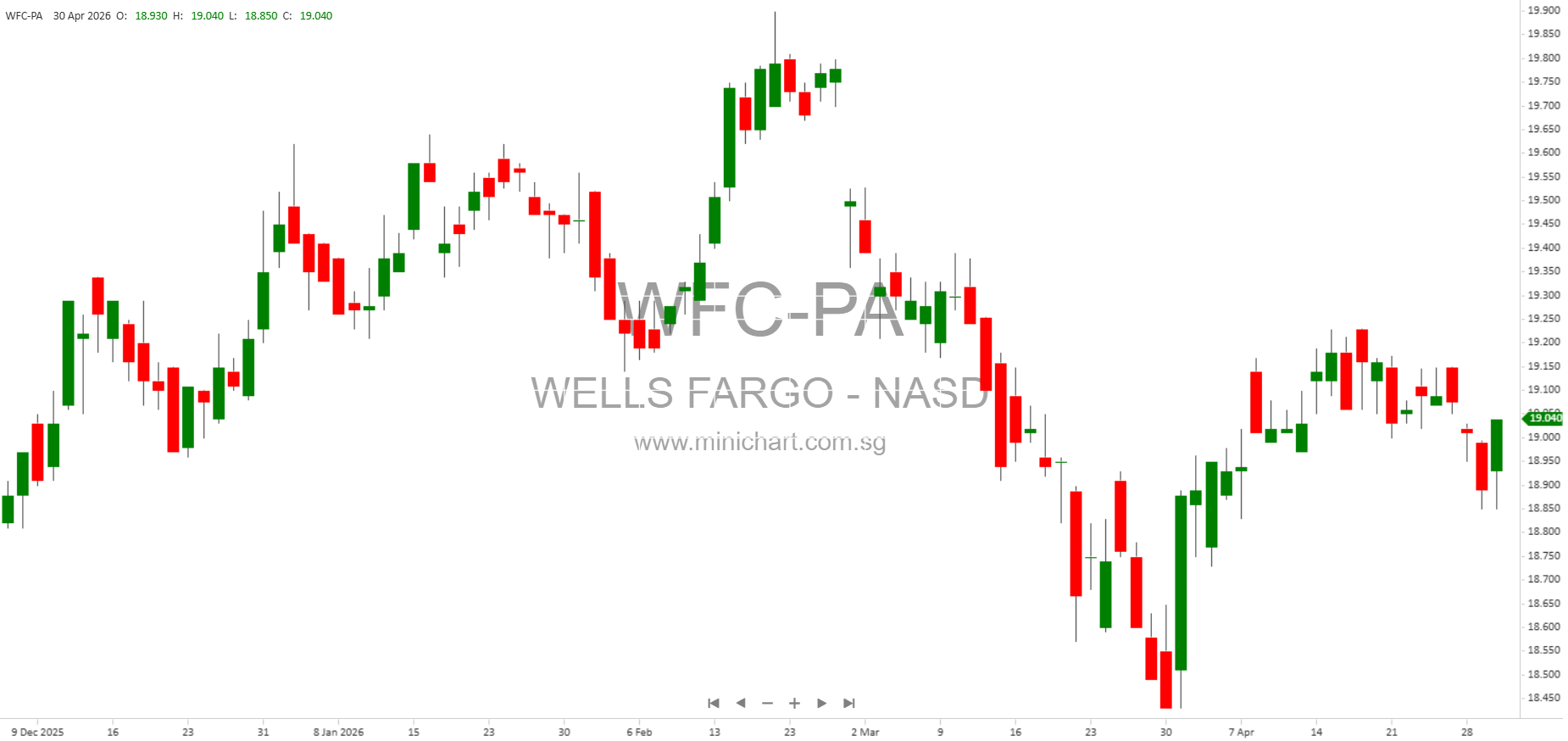
Potential Share Price Sensitive Factors
- Loan Quality Concerns: The ongoing segmentation and tracking of criticized assets, combined with consumer loan modifications and FICO score migration, indicate that credit quality remains a central focus. Any material deterioration here could lead to higher loan loss provisions, directly impacting future earnings.
- Legal Exposures: The presence of outstanding litigation (including 401(k) and hiring practices lawsuits) could lead to unexpected expenses or settlements, impacting profitability and potentially pressuring the share price.
- Derivative Activities: As interest rates and credit spreads remain volatile, the bank’s large derivative book and its associated hedging strategies could significantly swing reported earnings via realized/unrealized gains and losses.
- Capital Structure Changes: Ongoing preferred stock issuances/redemptions and treasury stock activity could affect earnings per share and book value per share, both closely watched by the market.
- Segment Performance: Any significant outperformance or underperformance in the main business lines, especially Commercial and Consumer Banking, would likely move the share price.
Conclusion
The Q1 2026 report from Wells Fargo reflects a continued focus on credit quality, capital management, and legal risk. Investors should closely monitor any further disclosures regarding asset quality trends (particularly criticized and modified loans), outcomes of ongoing litigation, and the bank’s hedging results. These factors are all capable of materially impacting future results and, therefore, the company’s share price.
Disclaimer: This article is for informational purposes only and does not constitute investment advice. Investors should review the full SEC filings and consult with their financial advisors before making any investment decisions.