China Traditional Chinese Medicine Holdings Co. Limited 2025 Annual Report: Key Insights for Investors
Executive Summary
China Traditional Chinese Medicine Holdings Co. Limited (“CTCM” or “the Group”) has released its Annual Report for 2025, revealing a challenging year marked by declines in revenue and profitability, significant strategic restructuring, and a focus on core business transformation. Below, we provide a detailed analysis of the key points, risks, and opportunities that shareholders and potential investors must be aware of.
Financial Performance: Sharp Decline and Return to Losses
- Revenue: CTCM’s revenue fell by 10.7% year-on-year to RMB 14.74 billion in 2025 (2024: RMB 16.51 billion), with a 2021-2025 compound annual growth rate (CAGR) of -6.21%.
- Profitability: Gross profit also dropped 9.7% to RMB 7.09 billion, while the company swung to a net loss attributable to shareholders of RMB 342 million, reversing a net profit of RMB 54 million in 2024.
- Margins: Operating and net profit margins both turned negative for the first time in recent years. The net profit margin fell to -3.11% from 0.13% in 2024.
- Earnings per Share: The company reported a basic and diluted loss per share of 6.79 cents, compared to earnings of 1.07 cents per share last year.
- Total Assets & Equity: Total assets decreased to RMB 32.35 billion (2024: RMB 35.06 billion), while equity attributable to shareholders was RMB 20.47 billion.
- Debt Asset Ratio: Improved to 28.81% (2024: 31.74%), reflecting reduced liabilities and a more conservative financial structure.
Dividend Suspension: No Payout for 2025
Key Shareholder Notice: The Board did not recommend the payment of a final dividend for 2025, citing the recorded loss, operating capital pressures, and uncertainties in 2026. This is a significant departure from 2024, when a final and special dividend was paid. The move to suspend dividends to conserve cash and safeguard financial stability is likely to be price sensitive and may affect investor sentiment.
Strategic Restructuring and Governance Overhaul
- Refocusing on Core Business: The Group undertook a major strategic restructuring, disposing of non-core and underperforming assets, and addressing historical issues, including impairment provisions for goodwill and intangible assets. This contributed to the reported losses but is expected to improve long-term asset quality and operational focus.
- Governance Improvements: Enhanced compliance management, optimized organizational structure, and implemented more market-oriented personnel mechanisms to boost performance orientation and management accountability.
- ESG Commitment: ESG and sustainability have been integrated into strategy and capital allocation, with initiatives in green manufacturing, supply chain optimization, and social responsibility.
Operational Highlights and Challenges
- Chinese Medicinal Herbs Segment: The market entered a correction cycle with herb prices falling 15.8% year-on-year. The Group exited high-risk, low-margin businesses and prioritized internal supply assurance, establishing a resilient supply chain and improving cost control through centralized procurement.
- Innovation and R&D: Continued investment in technological innovation, with a focus on evidence-based medical studies and new traditional Chinese medicine products, aiming to enhance clinical value and pricing power.
- Compliance and Risk Management: The Group embedded comprehensive risk management and internal controls across all operations, responding to tightening regulations and seeking to build an “evergreen” corporate foundation.
Policy Tailwinds and Industry Trends
- Payment Reform: Recent government reforms have improved payment cycles for medical institutions, directly benefiting CTCM by releasing working capital, lowering financial expenses, and improving financial stability. This is expected to enable increased investment in R&D and innovation.
- Industry Restructuring: The shift to value-based healthcare, with a focus on clinical outcomes and cost-effectiveness, aligns with CTCM’s strategy of whole-industry-chain integration and innovation-driven product enhancement.
Risk Factors and Shareholder Considerations
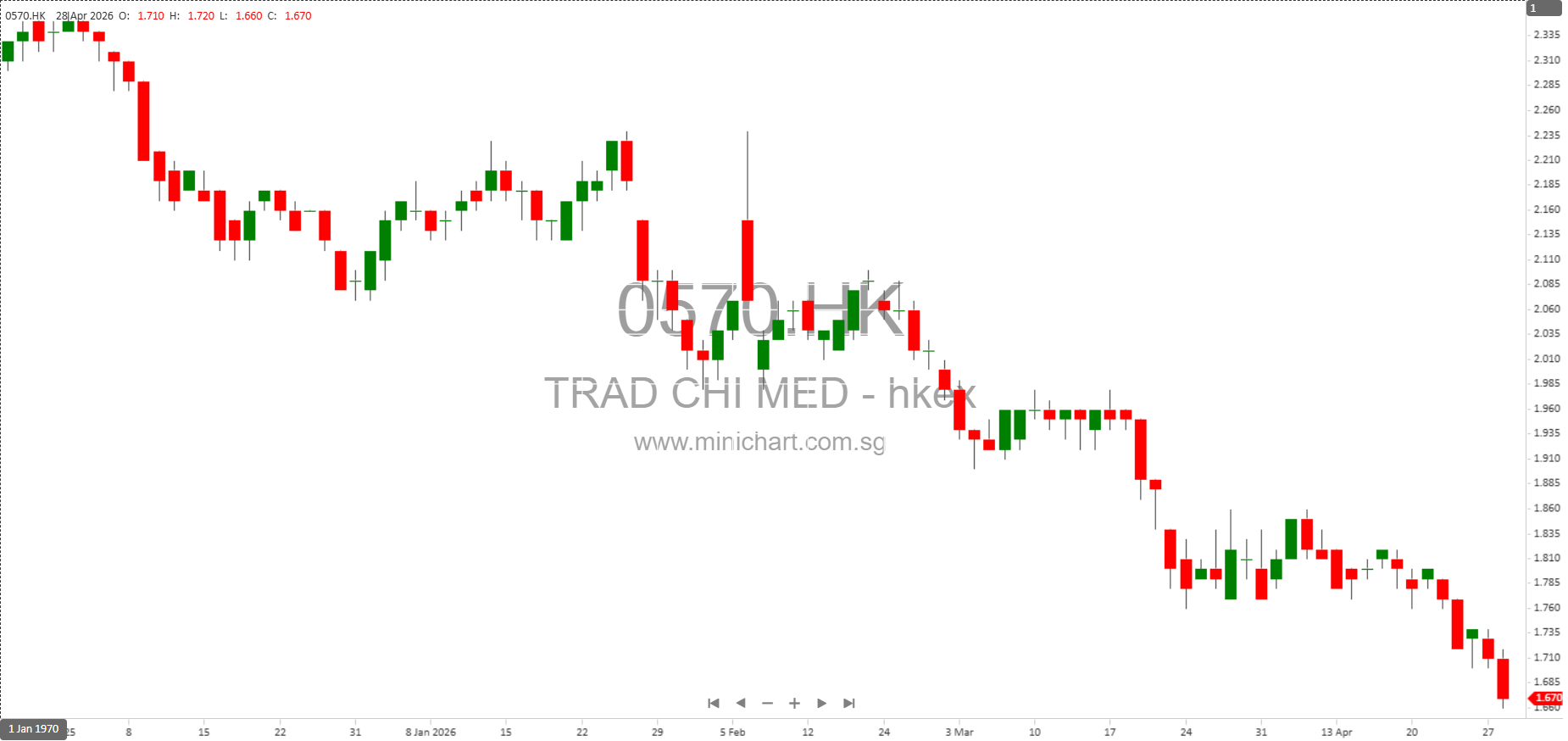
- Losses and Dividend Suspension: The net loss and the decision not to pay a dividend are likely to negatively impact share price in the short term.
- Asset Impairments: Substantial impairments on goodwill and intangible assets were recognized, reflecting a realistic adjustment of asset values but impacting reported profits.
- Operational Uncertainties: The company flagged considerable uncertainties for 2026, with operating capital turnover under pressure.
- Restructuring Risk: Ongoing restructuring, while positive for long-term focus, carries execution risk and may result in further short-term disruptions.
Corporate Governance and Shareholder Rights
- Board Composition: Multiple changes in board membership, with several new appointments and resignations in 2025. The company maintains compliance with Hong Kong Listing Rules regarding independent directors and board structure.
- Transparency: The Group emphasizes regular and transparent communication with shareholders, with comprehensive governance policies in place.
Conclusion: Outlook and Investment Implications
CTCM enters 2026 at a pivotal juncture, having executed significant restructuring and refocusing on core strengths. While the company faces continued short-term headwinds—including recent losses, dividend suspension, and operational uncertainties—the strategic pivot toward higher efficiency, supply chain resilience, and innovation positions it for potential recovery in the medium to long term.
Investors should closely monitor further developments in restructuring execution, industry policy changes, and signs of recovery in profitability. The suspension of dividends and asset impairments are negative near-term signals, but the improved debt position and focus on core business could support future value creation.
Disclaimer
This article is for informational purposes only and does not constitute investment advice or a recommendation to buy or sell any securities. Investors should conduct their own analysis and consult professional advisors before making investment decisions. The information herein is based on the company’s published 2025 Annual Report and other publicly available information as of the date of publication.