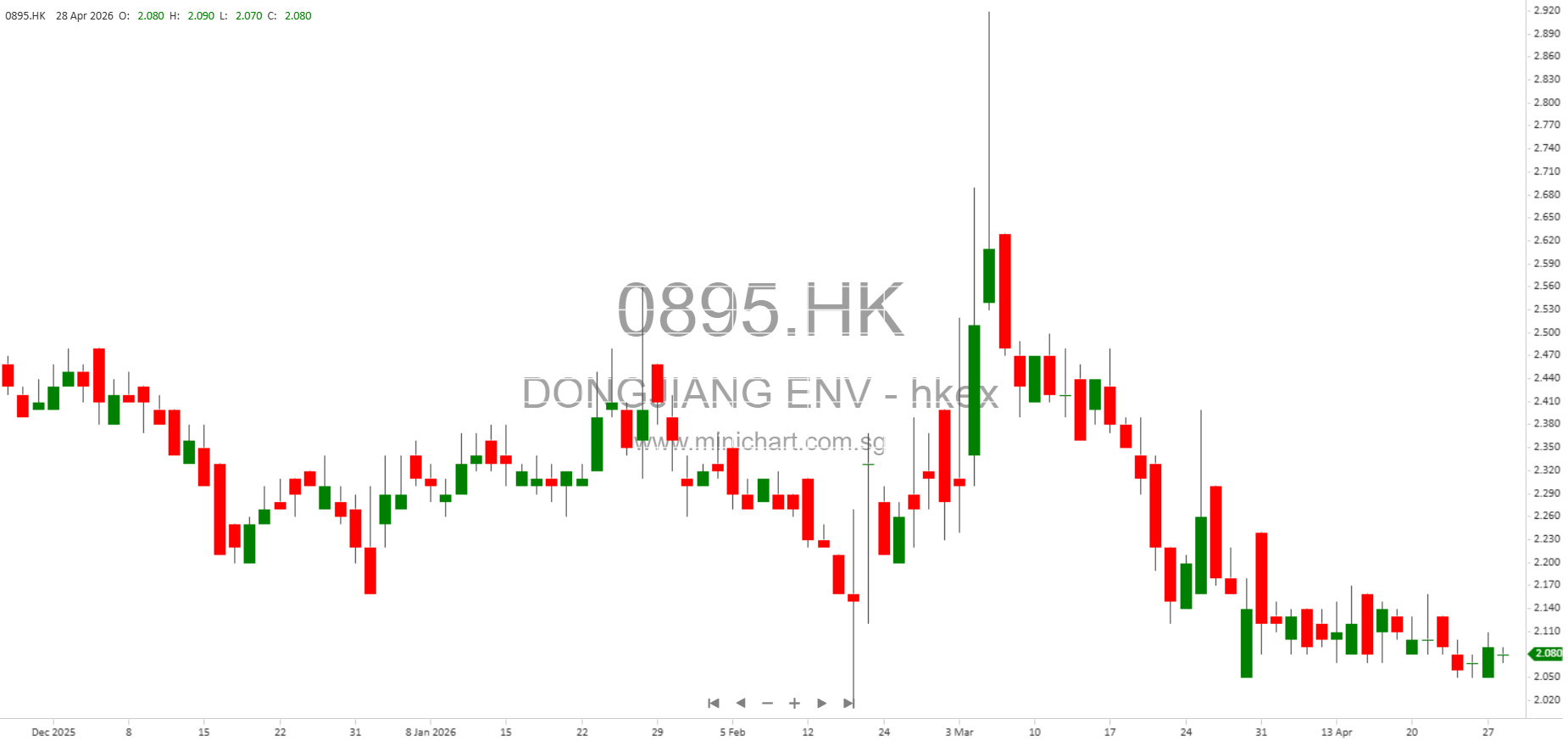
Dongjiang Environmental Company Limited 2025 Annual Results: Key Insights and Investor Analysis
Executive Summary
Dongjiang Environmental Company Limited (Stock Codes: 00895.HK, 002672.SZ) has released its 2025 Annual Report, revealing a challenging year with significant operational losses, major asset impairments, and strategic shifts. The company, a leading player in the hazardous waste management and resource recycling sector in China, is undergoing major transformations, with several factors that could be highly relevant and price sensitive for shareholders and potential investors.
1. Financial Performance Highlights
- Significant Net Loss: The Group reported a total comprehensive loss attributable to shareholders of RMB 1.23 billion for 2025 (previous year: RMB 796 million loss). The consolidated net loss widened sharply due to substantial asset impairment provisions and ongoing industry pressure.
- Operating Revenue: Total operating revenue stood at RMB 3.46 billion, slightly down from RMB 3.49 billion in 2024.
- Asset Impairments: The company recognized asset impairment losses of RMB 419 million, more than double the previous year (RMB 193 million). Credit impairment losses were RMB 35 million.
- Earnings Per Share: Basic and diluted loss per share were both RMB -1.11 (2024: RMB -0.73).
- No Dividend: The Board does not recommend a final dividend for 2025 in light of the losses and operational cash needs.
2. Key Price-Sensitive Developments and Strategic Shifts
- Dividend Suspension: For the second consecutive year, the Company will not pay a final dividend, citing losses, fierce competition in the hazardous waste sector, and high operational funding needs. This move may impact both investor sentiment and share price.
- Business Model Transformation: Dongjiang is accelerating a shift towards an “asset-light” model, focusing on establishing joint ventures in auto parts dismantling, energy saving, environmental consulting, and intelligent logistics. This marks a significant departure from its traditional capital-intensive operations.
- Closure and Repurposing of Projects:
- Closure of the Phase 2 sewage treatment expansion in Hubei – unused proceeds of RMB 84 million redirected to working capital.
- Termination of the Green Recycling Centre (Jieyang) and smart digitalization project – unused proceeds of RMB 264 million and RMB 160 million respectively now repurposed for general working capital.
- Major Litigation: The company is involved in a contractual dispute with Jiangxi Environmental Protection Co., Ltd., with claims totaling approximately RMB 96 million. This could potentially impact future cash flows depending on the outcome.
- Amendment to Articles of Association: As part of adapting to the revised PRC Company Law, Dongjiang has abolished the supervisory committee, transferring its responsibilities to the Audit and Risk Management Committee. This structural change may affect governance and oversight dynamics.
- Medium-Term Note Issuance: In March 2025, Dongjiang successfully issued RMB 400 million in medium-term notes at a 2.66% interest rate, supporting liquidity and ongoing transformation.
- Change in Use of Proceeds: The repurposing of major fundraising proceeds, with board and shareholder approval, reflects the company’s urgent need for liquidity to shore up daily operations and manage business transition risks.
- Guarantee Obligation Exposure: Dongjiang remains exposed to a joint liability guarantee of RMB 160 million for a controlled subsidiary, Tangshan Wandesi, which is facing liquidity difficulties.
3. Management and Governance Updates
- Executive Compensation: The company emphasizes a performance-oriented remuneration policy for executives, combining annual and tenure-based appraisals, with a strong link to business and Party-building performance.
- Board Composition and Governance: The company maintains a board with at least one-third independent non-executive directors, in line with HKEX standards. Notably, no equity-based remuneration or director fees are paid to executive or non-executive directors (except independent NEDs).
- No Share Buybacks or Major Changes in Share Capital: There were no purchases, sales, or redemptions of company shares in 2025. Total share capital remains at 1.105 billion shares.
4. Risks and Uncertainties
- Metal Price Volatility: The company’s recycling business is exposed to fluctuations in prices for copper, lead, bismuth, silver, tellurium, and antimony oxide, creating ongoing risk for revenue and inventory management.
- Foreign Exchange and Interest Rate Risks: The company is exposed to currency risk (notably USD, HKD, and JPY) and interest rate fluctuations, with sensitivity analysis showing potentially material effects on profit and equity from 1% interest rate moves or 5% currency swings.
- Environmental Compliance and Regulatory Changes: The hazardous waste sector is facing tightening regulations; failure to adapt could result in environmental or compliance penalties.
- Litigation Risk: The RMB 96 million lawsuit could result in adverse financial impact if Dongjiang is found liable.
- Guarantee Risk: Liquidity issues at Tangshan Wandesi could trigger Dongjiang’s joint guarantee obligations.
5. Operational Initiatives and Outlook
- Cost Optimization and Cash Flow Management: Dongjiang has deepened cost controls, refined internal management, and optimized cash flow, but faces continued industry pressure.
- Technological Innovation: The company is investing in high-value recycling technologies, such as nano-scale basic copper sulfate and copper hydroxide production, and new processes for copper chloride and monoammonium phosphate. These efforts are critical to future competitiveness and margin improvement.
- Segment Focus: The company will prioritize core areas such as in-depth recycling and green, low-carbon development, while shutting down, merging, or divesting persistently loss-making and non-strategic businesses.
6. ESG and Governance
- ESG Reporting: The company emphasizes responsible environmental, social, and governance practices, with a separate ESG report to be published alongside the annual report.
- Internal Control and Risk Management: The Board considers the risk management and internal control systems to be effective for 2025, with ongoing improvements planned for 2026, including enhanced training, process integration, and compliance monitoring.
7. Shareholding and Ownership Structure
- Major Shareholders: Guangdong Rising Holdings Group, Baowu Group Environmental Resources Technology Co., Ltd., and Jiangsu Soho High Hope Group Co., Ltd. collectively control a substantial stake in the company.
- No Shareholder Has Waived Dividends: There are no arrangements for dividend waivers in place.
Conclusion: Investment Implications
Investor Alert: The 2025 annual report signals a period of significant restructuring and financial stress for Dongjiang Environmental. The deepening losses, non-payment of dividends, major asset impairments, project closures, and ongoing litigation represent material risks. However, the shift to an asset-light model, focus on technological innovation, and strengthening of internal controls and governance may lay the foundation for a turnaround if effectively executed. Investors should closely monitor operational cash flow, litigation outcomes, further asset dispositions, and progress on new business ventures for any signs of recovery or further deterioration.
Disclaimer
This article is for informational purposes only. It does not constitute investment advice or an offer to buy or sell any securities. Investors should conduct their own due diligence and consult professional advisors before making any investment decisions based on this information. The author and publisher assume no responsibility for investment actions taken as a result of this article.