EON Resources Inc. Files Amended 10-K: Critical Updates for Investors
Overview
EON Resources Inc. (“EON”, formerly HNR Acquisition Corp.), a Houston-based oil and gas company focused on the Permian Basin, has filed Amendment No. 1 to its Annual Report on Form 10-K for the fiscal year ended December 31, 2024. The amendment addresses material corrections and provides further clarifications after engagement with the SEC and its auditors. This development contains several key disclosures and risk factors that shareholders and potential investors should carefully consider.
Key Points and Material Developments
-
Restatement Due to Financial Reporting Errors:
- EON corrected errors in its Supplemental Disclosures About Oil and Gas Producing Activities, specifically for the years ended December 31, 2024 and 2023.
- Asset retirement obligations were previously excluded from future development costs, and future income tax expense was omitted from the standardized measure of discounted cash flows. These corrections resulted in a lower standardized measure of discounted future net cash flows.
- Immaterial corrections were also made in the reconciliation of changes in the standardized measure of discounted cash flows.
- The company had already determined its Disclosure Controls and Procedures were not effective as of December 31, 2024.
-
SEC Comment Letters and Changes to Non-Controlling Interest (NCI) Accounting:
- The SEC raised concerns about the allocation of annual losses to the NCI for Class B Units and Class B Common Stock. EON had not allocated losses, but has now modified its methodology to allocate net income or loss to the NCI retrospectively from November 15, 2023, through February 2025.
-
Put Right on Founders’ Shares Not Previously Accounted For:
- EON discovered a 2021 side agreement granting a put right to its Chief Executive Officer on purchased common shares. This right was not previously accounted for and is now classified as a derivative liability, with the underlying shares reclassified as mezzanine equity.
-
Exhibit List and Certifications Updated:
- The company has updated its exhibit list to include new consents from the independent accounting firm, petroleum engineers, and updated certifications from the CEO and CFO as required by SOX Sections 302 and 906.
-
Material Weaknesses in Internal Controls:
- EON explicitly states that its internal control over financial reporting is not effective, which is a significant risk for investors.
Risks and Price-Sensitive Disclosures
-
Going Concern Warning:
- The independent registered public accounting firm has included an explanatory paragraph in its audit opinion expressing substantial doubt about EON’s ability to continue as a going concern.
- This issue is directly tied to EON’s significant need for capital to fund acquisitions and develop its leases, with no assurance it can obtain financing on acceptable terms or at all.
-
Geographic Concentration Risk:
- All of EON’s producing properties are located in the Permian Basin. This concentration exposes the company to heightened operational risks, regulatory hazards, and commodity price swings specific to this region.
-
Commodity Price Volatility:
- A substantial majority of EON’s revenue is derived from oil and gas sales, with prices subject to significant fluctuations. Extended periods of low commodity prices could materially and adversely impact the company’s business and financial position.
- If commodity prices decrease to a level where future undiscounted cash flows are less than the carrying value of EON’s properties, the company may be forced to write down assets.
-
Operational and Development Risks:
- EON’s reserve estimates are based on assumptions which, if inaccurate, could significantly affect reported reserves and asset valuations.
- Shortages or increased costs for rigs, equipment, materials, or personnel could restrict operations or increase development costs.
-
Regulatory and Environmental Risks:
- Crude oil and gas operations are subject to extensive governmental regulations, including those related to environmental compliance. Any tightening of these standards could increase costs or limit operations.
- Potential future regulations on greenhouse gas emissions or restrictions on fossil fuel investments could impact EON’s business model and profitability.
-
Hedging Policy:
- EON plans to enter into hedging arrangements to mitigate commodity price risk, primarily for crude oil, and to a lesser extent for natural gas.
-
Emerging Growth Company Status:
- EON is an “emerging growth company” under the JOBS Act, and as such, it is eligible for certain reduced reporting and compliance requirements. This may make its securities less attractive to some investors and could result in greater share price volatility.
Corporate Structure and Securities
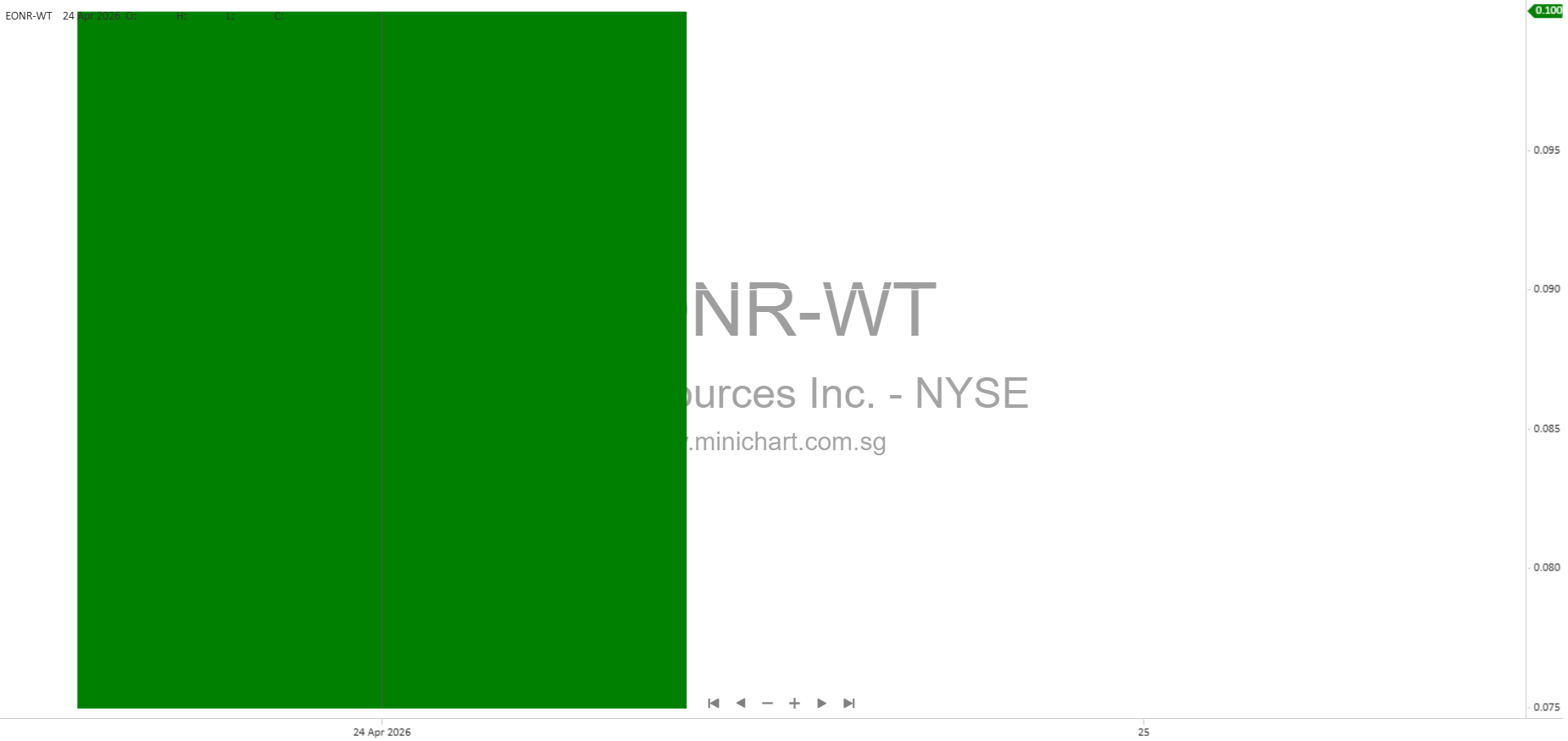
- Class A Common Stock and warrants trade on NYSE American under the symbols “EONR” and “EONR.WS”, respectively.
- As of the report date, there were 18,312,626 shares of Class A Common Stock outstanding and zero shares of Class B Common Stock outstanding (following conversion in February 2025).
- Warrants are exercisable for three-quarters of a share of Class A stock at \$11.50 per whole share.
Company Strategy and Outlook
-
Permian Basin Focus:
- EON aims to be a preferred buyer in the Permian Basin, leveraging management expertise and relationships to grow production and cash flow.
-
Acquisition and Growth Criteria:
- The company targets acquisitions with strong production growth potential, attractive economics, and a complementary geographical footprint.
-
Conservative Capital Structure:
- EON is committed to maintaining a conservative leverage profile, using a mix of operating cash flow, debt, and equity to finance acquisitions and growth.
Summary of Key Investor Considerations
- Significant accounting restatements and ongoing SEC scrutiny raise questions about past financial reporting accuracy and internal controls.
- The going concern warning and need for new capital or financing present material risks to future operations and value preservation.
- Operational and geographical concentration, commodity price volatility, and regulatory risk are all significant factors that could materially affect future performance and share value.
- Corporate governance and controls are currently ineffective, heightening risk for shareholders.
- Hedging and capital structure strategies are designed to mitigate some risks but may not fully offset the challenges described above.
Investors should closely monitor EON’s ongoing remediation efforts, future financial disclosures, and any further SEC communications. The combination of restatements, going concern warnings, and internal control weaknesses represent material issues that could impact the company’s valuation and share price in the near and medium term.
Disclaimer: This article is for informational purposes only and does not constitute investment advice or a recommendation to buy or sell any securities. Investors should conduct their own due diligence and consult with a qualified financial advisor before making investment decisions. The information herein is based on public filings and may not reflect the most current developments.