Zhongliang Holdings 2025 Annual Report: Critical Insights for Investors
Key Highlights from the Annual Report
- Challenging Operating Environment: The Chinese real estate market remains under significant pressure, especially for private developers like Zhongliang Holdings. Although various government support measures have been introduced, including easing restrictions, lowering down payments, and boosting developer liquidity, overall market confidence remains weak and the pace of recovery is expected to be slow.
- Going Concern and Disclaimer of Opinion: The company’s auditor has issued a disclaimer of opinion on the consolidated financial statements, citing significant uncertainty about the company’s ability to continue as a going concern. This is a major red flag for investors and highly price sensitive.
- Liquidity and Debt Position: As of December 31, 2025, Zhongliang Holdings reported net losses of RMB 5.93 billion, with total interest-bearing bank and other borrowings, senior notes, and convertible bonds host debt amounting to RMB 17.70 billion. Of this, RMB 8.11 billion is due within the next 12 months, while cash and cash equivalents stand at only RMB 1.32 billion. Certain defaults have triggered additional borrowings to become repayable on demand, deepening liquidity challenges.
- Management’s Action Plan: To address its liquidity crisis, management has outlined a multi-pronged action plan, including ongoing negotiations with creditors for loan extensions, seeking new sources of financing, accelerating property sales, stricter cost controls, speeding up the collection of outstanding sales proceeds, and the sale of equity interests in project companies to generate cash flow. However, the success of these measures is uncertain and any failure could have severe implications for the company’s solvency.
- Convertible Bonds and Share Dilution: During 2025, 137,935,306 shares were issued upon conversion of convertible bonds. The conversion price for outstanding bonds may reset as low as HK\$0.8 per share, which could result in substantial further dilution for existing shareholders depending on future conversions. This is potentially highly dilutive and can depress the share price.
- Dividend Policy and Decision: The Board has decided not to recommend any final dividend for the year ended December 31, 2025, reflecting ongoing financial distress and the need to conserve cash.
- Risk Factors: Principal risks include difficulties in acquiring land, operational uncertainties in different regions, funding challenges, government regulatory risks, market performance volatility, rising costs of materials and labor, and issues related to administrative certifications. Financial risk is compounded by the company’s high leverage, exposure to interest rate and foreign currency fluctuations, and reliance on successful execution of its turnaround plan.
- Corporate Governance and Internal Controls: The board has implemented measures to strengthen internal controls and risk management, including engaging external consultants for risk assessment, but the effectiveness of these controls is under close scrutiny given the current crisis.
- Major Non-Cash Transactions: The company has restructured certain debts, issued additional convertible bonds, and paid consent fees in the form of zero-coupon mandatory convertible bonds.
- Gearing Ratio: The company’s gearing ratio stands at 99.40% (up from 94.15% the previous year), indicating an extremely high level of leverage and financial risk.
Price Sensitive Issues and Potential Share Price Impact
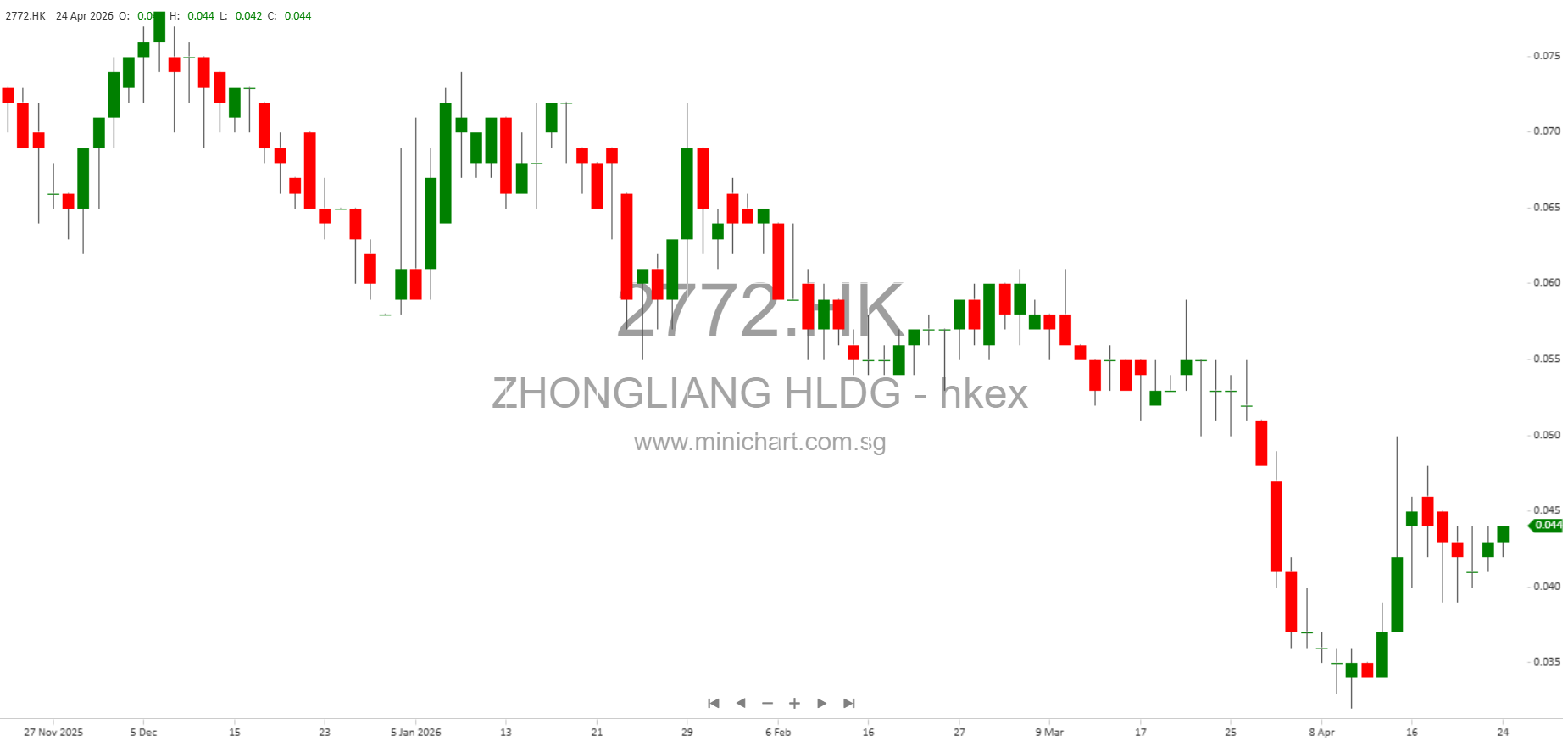
- Auditor’s Disclaimer of Opinion: The fact that the auditor could not express an opinion on the financial statements due to material uncertainty surrounding the company’s ability to continue as a going concern is a major price sensitive event. This could trigger a sharp negative reaction in the share price as it raises doubts about the company’s financial viability.
- Liquidity Crisis & Debt Maturities: With over RMB 8.11 billion in debt due within the next 12 months and cash reserves of only RMB 1.32 billion, unless the company can successfully refinance or execute asset sales, it faces a real risk of insolvency. Any further negative news on debt restructuring or cash flow could materially affect the share price.
- Potential Share Dilution: Ongoing and future conversions of convertible bonds at reset prices as low as HK\$0.8 could result in massive share dilution, further pressuring the stock price and reducing value for existing shareholders.
- No Dividend Payout: The suspension of dividends is another negative signal, reflecting the company’s dire need to preserve cash and the ongoing financial stress.
- Uncertain Recovery Prospects: Despite management’s efforts, there is no assurance that the turnaround plan will succeed. If any key measures fail, the share price could be negatively impacted.
Other Notable Details for Investors
- Share Option Scheme: As of the reporting date, 13.9 million share options remain outstanding, representing about 0.3% of issued shares, but with exercise prices far above the current market price, immediate dilution from options is less likely.
- Internal Controls and Corporate Governance: The company has made efforts to improve internal controls, but the effectiveness of these changes remains to be seen given the scale of the current financial challenges.
- Environmental, Social, and Governance (ESG): No material fines or penalties related to environmental compliance were reported, and a separate ESG report will be published.
- Public Float: The company has a public float waiver from the Hong Kong Stock Exchange, allowing a lower public float of 17.06%.
Conclusion
Investors should be acutely aware of the severe financial stress facing Zhongliang Holdings. The auditor’s disclaimer of opinion, heavy debt maturities, negative cash flow, ongoing risk of massive share dilution, and the lack of a dividend are all critical red flags. The situation is highly dynamic, and any developments regarding debt restructuring, asset sales, or failure of the management’s recovery plan could result in significant share price volatility.
Disclaimer: This article summarizes and interprets information from Zhongliang Holdings’ 2025 Annual Report for informational purposes only. It does not constitute investment advice or a recommendation to buy or sell any securities. Investors should conduct their own due diligence and consult a professional advisor before making any investment decisions. The company’s financial position is highly uncertain and subject to rapid change.