Shanghai Haohai Biological Technology Co., Ltd. 2025 Annual Report: Key Highlights and Investor Insights
Dividend Policy and Shareholder Returns
- Consistent Dividend Payouts: The company maintained stable cash dividends, distributing RMB137.24 million in July 2025 as the final dividend for 2024 (32.64% payout ratio) and RMB91.49 million in October 2025 as the interim dividend for 2025 (43.35% payout ratio for H1 2025).
- Proposed 2025 Final Dividend: The Board proposed a final dividend of RMB0.60 (tax inclusive) per share for the year ended 31 December 2025, totaling approximately RMB135.68 million, subject to shareholder approval.
- Share Repurchases: The company repurchased 1,339,675 A shares (RMB73.33 million) and 3,016,900 H shares (HKD80.99 million) during the reporting period. All H shares repurchased have been cancelled, enhancing shareholder value.
- Dividend Policy Framework: The dividend policy incorporates a balance between investor returns and sustainable development, stipulating cash dividend ratios based on development stage and capital expenditure plans (e.g., at least 80% payout in mature stage with no major capex, 40% with major capex, 20% at growth stage with major capex).
- Taxation Updates: Dividend taxation varies by shareholder category (A shares, QFII, Hong Kong investors, etc.), and shareholders are advised to consult their tax advisors for the latest provisions.
Financial Performance
- Revenue and Profit Decline: Revenue decreased to RMB2,446.3 million (from RMB2,679.7 million in 2024). Net profit for 2025 was RMB208.3 million, a significant decline from RMB376.2 million in 2024. The drop was attributed to higher selling expenses, increased R&D investment, and other expenses.
- Net Profit Attributable to Shareholders: RMB251.0 million, with basic earnings per share at RMB1.08 (down from RMB1.80 in 2024).
- Gross Profit Margin Impact: Gross profit was RMB1,711.6 million, down from RMB1,868.8 million in 2024, reflecting margin pressure.
- R&D and Other Expenses: R&D expenses stood at RMB197.8 million, while other expenses surged to RMB207.3 million.
- Bank Borrowings: As of 31 December 2025, total interest-bearing bank borrowings stood at RMB346.6 million, with RMB313.5 million due within one year.
Strategic Focus and Growth Initiatives
- Business Segments: The Group focuses on biomedical materials in ophthalmology, medical aesthetics and wound care, orthopedics, anti-adhesion, and hemostasis.
- Pipeline Acceleration: Emphasis on accelerating registration, launch, and clinical progress for key pipeline products.
- Volume-Based Procurement: The Group is closely monitoring and aiming to benefit from China’s national and local volume-based procurement policies, which could impact future revenue and market access.
- Cost and Channel Optimization: Plans to leverage multi-brand, full product line, and channel advantages to adapt supply chain and sales strategies for evolving market dynamics.
- Share Repurchases and Incentive Schemes: The completion of share repurchases and the expiration of the 2021 Restricted A Share Incentive Scheme (November 2025) highlight ongoing measures to align management interests and support share value.
Corporate Governance and ESG
- Governance Structure: The company has implemented robust corporate governance practices, with four special committees under the Board (Audit, Nomination, Remuneration/Appraisal, Strategy/Sustainable Development).
- ESG Commitment: The Group reports on its environmental, social, and governance performance and affirms no material violations of environmental or labor laws during the period.
- Shareholder Engagement: The company maintains active communication with shareholders, holding three shareholder meetings and 27 investor meetings (engaging 166 institutional investors) during the year.
- Compliance: Full compliance with the Corporate Governance Code and the Model Code for securities transactions.
Key Risks and Uncertainties
- Core Competitiveness Risk: Rapid technological advancements in biomedical materials may threaten the Group’s competitive position if it fails to adapt quickly.
- Market Competition: High gross profit areas are attracting new entrants, intensifying competition and potentially eroding market share and margins.
- M&A and Integration Risk: The Group’s strategy includes significant M&A activity; failure to integrate acquisitions could lead to goodwill impairment and financial loss.
- Regulatory and Policy Risks: The Group is exposed to policy changes, especially around volume-based procurement and market access for medical products.
Notable Transactions and Share Structure
- Use of A-Share Proceeds: The company continued investing in the International Medical R&D and Industrialization Project, with RMB113.16 million invested as of end-2025 (88.12% completion), with expected completion in June 2027.
- Share Capital Breakdown (as of 31 December 2025): 230,561,595 shares outstanding, of which 84.16% are A shares and 15.84% H shares.
- Major Shareholders: Substantial shareholdings are concentrated among founders and related parties (e.g., Mr. Jiang Wei and Ms. You Jie), while Prudence Investment Management (Hong Kong) Limited holds 5.39% of H Shares.
- Connected Transactions: Various connected transactions and related party transactions were conducted, with all necessary disclosures and regulatory compliance.
- No Material Litigation: The company reported no material litigation or arbitration during the reporting period.
Accounting and Regulatory Updates
- IFRS Updates: The Group disclosed upcoming adoptions of IFRS 18, IFRS 19, and amendments to IFRS 9/7/10/28, IAS 21, and annual improvements, which could impact future financial statement presentation, though no significant impact is expected.
- Electronic Voting and Hybrid Meetings: In response to regulatory changes, the company has updated its Articles of Association to accommodate hybrid shareholder meetings and electronic voting, aligning with HKEX requirements.
Potential Price-Sensitive Information
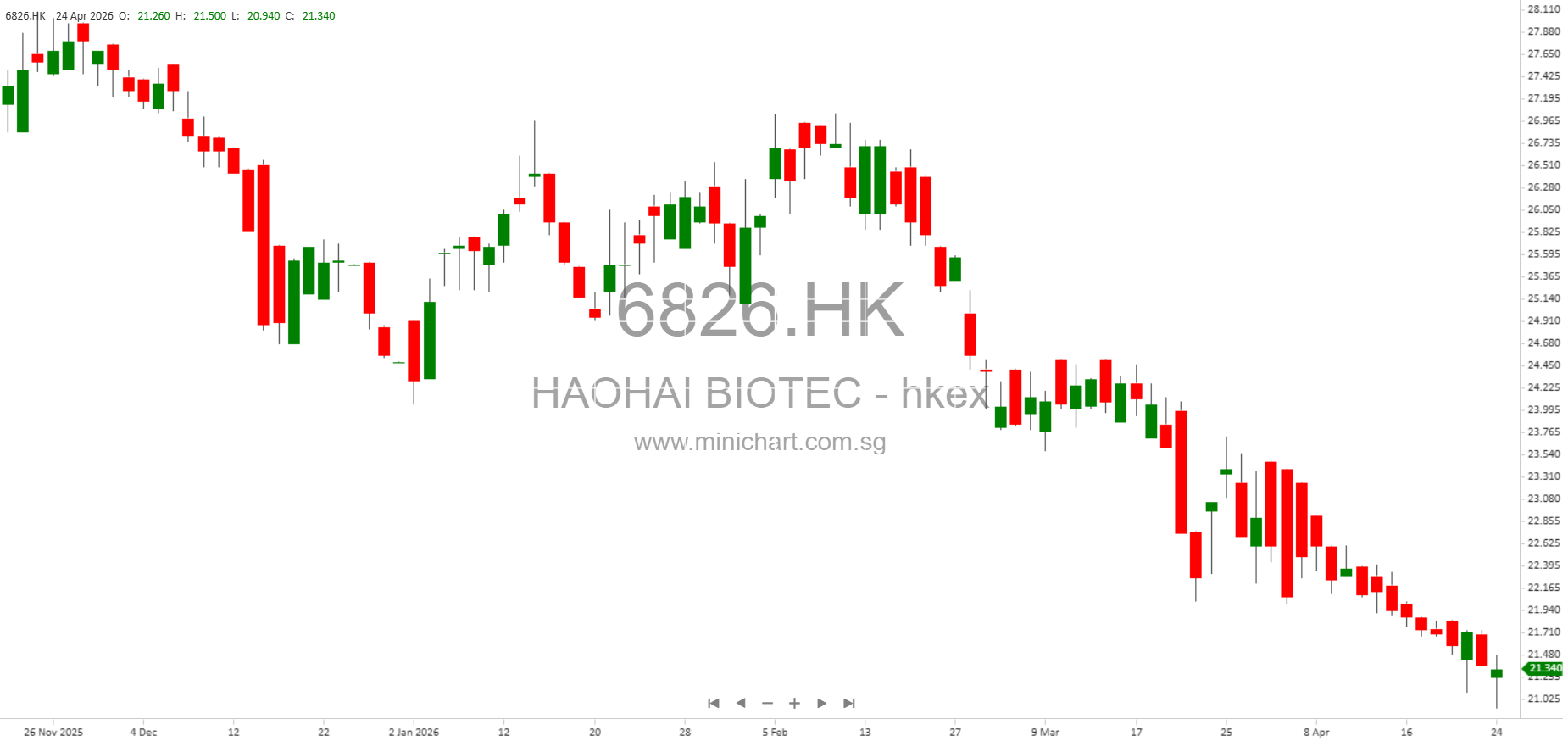
- Significant Profit Drop: The sharp decline in revenue and profit for 2025 versus 2024 could negatively impact investor sentiment and share price in the short term.
- Dividend Consistency and Share Repurchases: Despite the profit decline, strong dividend payouts and share buybacks signal management’s confidence in the company’s underlying value, which may support the share price.
- Volume-Based Procurement Exposure: The company’s proactive stance towards China’s volume-based procurement reforms could drive future growth or present risks, depending on policy evolution.
- Pipeline and R&D: Progress on key products and R&D investment remains a potential share price catalyst if new approvals or launches are achieved.
- Shareholding Structure: High concentration of shares among founders and insiders may influence share liquidity and price movements.