宁波卡倍亿电气技术股份有限公司2026年第一季度报告重点详解
一、关键财务数据与业绩亮点
- 营业收入:公司2026年第一季度实现营业收入10.09亿元,同比增长14.08%,显示公司主营业务持续增长。
- 归属于上市公司股东的净利润:为1.01亿元,同比增长高达89.37%,增幅显著,主要得益于公允价值变动带来的净利润大幅增加。
- 扣除非经常性损益后的净利润:为3659万元,同比下降25.25%,表明主营业务盈利能力有所下滑,投资者需关注。
- 经营活动产生的现金流量净额:为-1.05亿元,同比下降165.32%,显示公司经营性现金流恶化,需关注现金流风险。
- 基本每股收益:为0.55元,同比增长89.66%。
- 加权平均净资产收益率:为6.98%,较去年同期提升3.42个百分点。
二、非经常性损益分析
- 非经常性损益合计为6401万元,主要包括:
- 政府补助520万元
- 金融资产公允价值变动收益7050万元
- 其他相关损益项目
- 本期净利润大幅增长主要是公允价值变动带来的非经常性损益,投资者需警惕可持续性风险。
三、财务指标变动及原因
- 应收票据增长122.83%,主要由于报告期末已背书或贴现不能终止确认的票据增加。
- 预付款项增长161.25%,主要因材料预付款增加。
- 合同负债增长1705.23%,系预收货款大幅增加。
- 其他流动负债增长458.28%,因未终止确认应收票据还原到其他流动负债增加。
- 应付账款下降45.15%,主要系支付货款及设备工程款致期末余额减少。
- 财务费用上涨69.56%,主要因借款利息、汇兑损失增加。
- 经营现金流净额大幅下降,主要因销售增长及提前备货导致采购材料支付款项增加。
- 投资活动现金流净额下降66.63%,主要因设备及工程款投资额、股权投资增加。
- 筹资活动现金流净额增长500.17%,系银行借款融资额增加。
四、股东结构与限售股变化
- 公司股东总数:普通股股东10,078名。
- 主要股东:宁波新协实业集团有限公司持股52.5%,为控股股东,林光耀、林光成、林强为一致行动人。
- 前十大股东持股情况:详见报告,部分高管持有限售股。
- 回购专用证券账户:截至2026年3月31日,公司回购专用证券账户持股509.99万股,占总股本2.71%。
- 高管锁定股:本期未解除限售。
五、资产负债表与现金流表主要变动
- 总资产:期末为48.22亿元,较年初增长7.58%。
- 流动资产:期末为28.64亿元。
- 流动负债:期末为24.33亿元。
- 短期借款:期末为17.85亿元,较年初增加2.83亿元。
- 长期借款:期末为8.36亿元,增加1.2亿元。
- 经营现金流净额:为-1.05亿元,显示公司经营压力较大。
- 筹资现金流净额:为3.74亿元,主要来自银行借款。
六、对股东与投资者的重要提示
- 非经常性损益驱动净利润大增:本期净利润主要受金融资产公允价值变动影响,未来业绩可持续性存在不确定性。
- 经营现金流恶化需警惕:公司经营活动现金流净额为负,需关注现金流风险。
- 资产负债结构变化:短期与长期借款大幅增加,可能带来财务费用上升与偿债压力。
- 股权结构稳定:控股股东及一致行动人持股比例高,股权结构较为集中。
- 回购股份:公司持续回购股票,可能向市场释放积极信号。
七、结论与影响分析
- 公司2026年第一季度业绩表现亮眼,净利润大幅增长,但主要由非经常性损益驱动,主营业务盈利能力下滑并且现金流恶化,需投资者关注未来业绩的可持续性与现金流风险。
- 短期与长期借款增加,表明公司加大资金投入,需关注后续财务费用与负债压力。
- 回购股份与股权结构稳定,对市场情绪有一定积极作用。
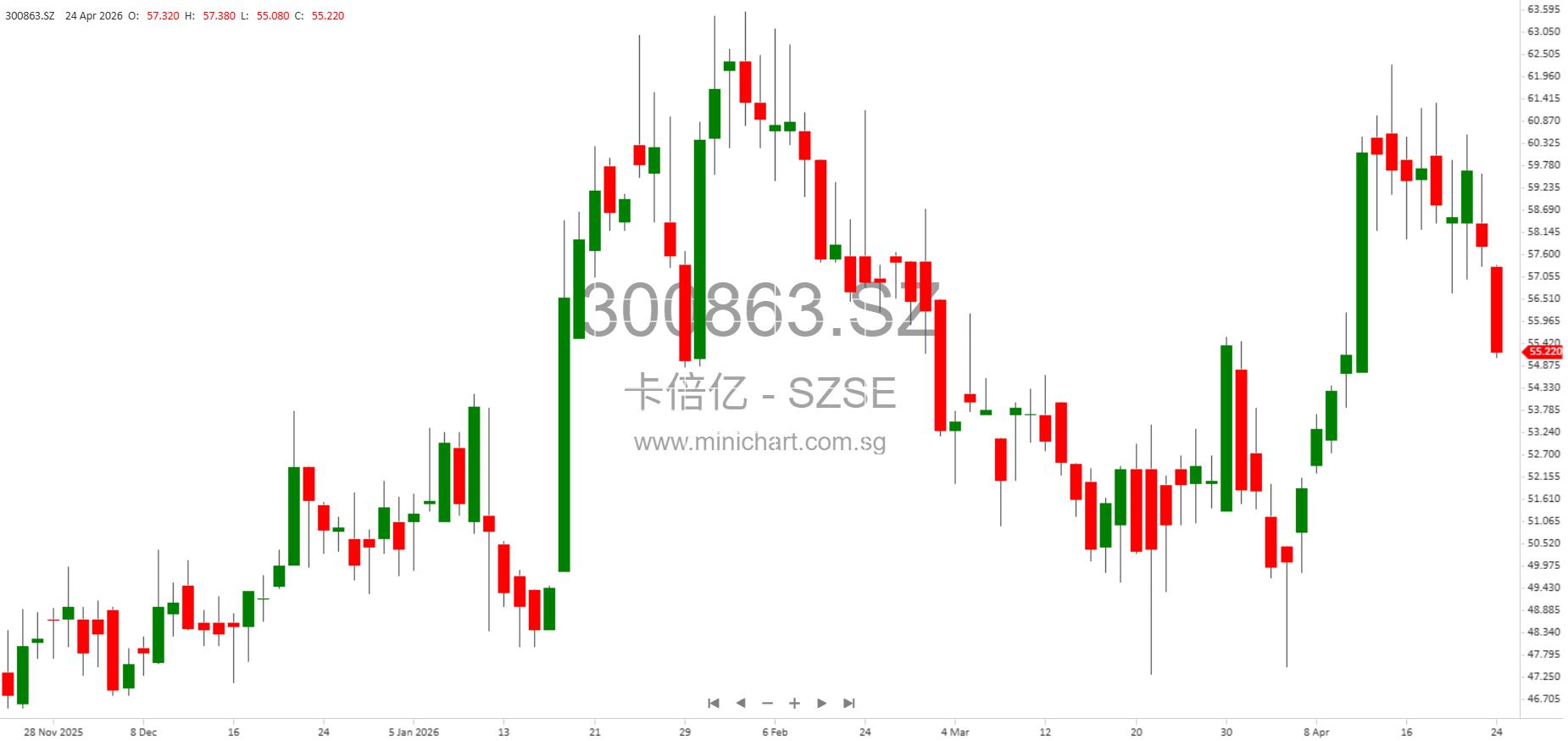
- 上述因素均有可能对股价产生较大影响,建议投资者密切关注公司后续公告与经营状况。
免责声明:本文仅为信息解读,不构成投资建议。投资者需根据自身情况、结合公司后续公告及市场环境,谨慎决策。
English Version
Key Highlights and Detailed Analysis of Ningbo Kabeiyi Electrical Technology Co., Ltd. Q1 2026 Report
1. Key Financial Data and Performance Highlights
- Revenue: Q1 2026 revenue reached RMB 1.009 billion, up 14.08% year-on-year, indicating steady business growth.
- Net Profit Attributable to Shareholders: RMB 100.6 million, up 89.37% year-on-year, mainly driven by significant increase from fair value changes.
- Net Profit Excluding Non-recurring Gains: RMB 36.6 million, down 25.25% year-on-year, showing core business profitability decline and requiring investor attention.
- Net Operating Cash Flow: RMB -105.2 million, down 165.32% year-on-year, indicating deteriorating operating cash flow and potential cash flow risk.
- Basic EPS: RMB 0.55, up 89.66% year-on-year.
- Weighted ROE: 6.98%, up 3.42 percentage points from last year.
2. Non-recurring Gains Analysis
- Non-recurring gains total RMB 64.01 million, mainly including:
- Government subsidies RMB 5.21 million
- Fair value gains on financial assets RMB 70.5 million
- Other related gains
- The sharp net profit increase this quarter is mainly driven by fair value gains, raising concerns about sustainability for investors.
3. Financial Metrics Changes and Reasons
- Receivable bills up 122.83%, mainly due to increased un-derecognized endorsed/discounted bills.
- Prepayments up 161.25%, mainly due to increased material prepayments.
- Contract liabilities up 1705.23%, due to significant increase in advance payments from customers.
- Other current liabilities up 458.28%, due to increased un-derecognized receivable bills.
- Accounts payable down 45.15%, mainly due to payment of materials and project funds.
- Financial expenses up 69.56%, due to increased loan interest and exchange losses.
- Operating cash flow net down sharply, mainly due to sales growth and advance procurement.
- Investment cash flow net down 66.63%, mainly due to increased investment in equipment and equity.
- Financing cash flow net up 500.17%, due to increased bank loans.
4. Shareholder Structure and Restricted Shares Changes
- Total Shareholders: 10,078 ordinary shareholders.
- Main Shareholder: Ningbo Xiexie Industrial Group holds 52.5%, is the controlling shareholder, with Lin Guangyao, Lin Guangcheng, and Lin Qiang as concerted action persons.
- Top Ten Shareholders: See report for details, several executives hold restricted shares.
- Repurchase Account: As of March 31, 2026, the company repurchase account holds 5,099,944 shares, accounting for 2.71% of total share capital.
- Executive Locked Shares: No release of restricted shares this period.
5. Balance Sheet and Cash Flow Key Changes
- Total Assets: RMB 4.82 billion, up 7.58% from year beginning.
- Current Assets: RMB 2.86 billion at period end.
- Current Liabilities: RMB 2.43 billion at period end.
- Short-term Loans: RMB 1.78 billion, up RMB 283 million from start of year.
- Long-term Loans: RMB 836 million, up RMB 120 million.
- Net Operating Cash Flow: RMB -105.2 million, showing operating pressure.
- Net Financing Cash Flow: RMB 373.9 million, mainly from bank loans.
6. Important Reminders for Shareholders and Investors
- Net Profit Driven by Non-recurring Gains: Current net profit mainly from fair value changes, sustainability of future earnings is uncertain.
- Operating Cash Flow Risk: Negative net operating cash flow, cash flow risk needs attention.
- Asset-Liability Structure Change: Significant increase in short- and long-term loans, may lead to higher financial expenses and debt pressure.
- Stable Shareholding Structure: High concentration of controlling shareholder and concerted action persons.
- Share Repurchase: Ongoing share repurchase may send positive market signals.
7. Conclusion and Impact Analysis
- Q1 2026 performance is outstanding with sharp net profit growth, but mainly driven by non-recurring gains, core business profitability declines and cash flow deteriorates, investors should monitor sustainability and cash flow risks.
- Substantial increase in short- and long-term loans indicates increased capital investment, attention needed on subsequent financial expenses and debt pressure.
- Share repurchase and stable shareholding structure have certain positive effects on market sentiment.
- These factors may significantly impact share price; investors are advised to closely follow company disclosures and operational status.
Disclaimer: This article is for informational interpretation only and does not constitute investment advice. Investors should make careful decisions based on their own circumstances, subsequent company disclosures, and market environment.