Global Bio-chem Technology Group Company Limited (Stock Code: 00809) Annual Report 2025: In-depth Analysis for Investors
Key Financial Highlights
- Revenue Growth: The Group reported a revenue of HK\$2,278.5 million for the year ended 31 December 2025, up 13.9% from HK\$2,001.1 million in 2024, reflecting continued recovery and growth in its core business of manufacturing and sale of corn refined and corn-based biochemical products.
- Net Profit: Profit attributable to owners of the Company was HK\$156.3 million, a substantial decrease from HK\$769.6 million in 2024, with basic earnings per share of 1.4 HK cents (2024: 8.6 HK cents). The diluted earnings per share stood at 0.6 HK cents (2024: 2.9 HK cents).
- Gross Profit: Gross profit edged up slightly to HK\$196.4 million (2024: HK\$191.0 million), with gross margin relatively stable.
- Other Income and Gains: A significant increase to HK\$835.3 million from HK\$176.9 million in 2024, mainly due to the HK\$511.2 million gain from debt restructuring with Changchun Rudder Investment Group.
- Other Expenses: Marked decrease by 77.2% to HK\$206.7 million (2024: HK\$906.7 million), driven by the absence of large property revaluation losses and write-offs recorded in the previous year.
- Finance Costs: Fell to HK\$308.1 million (2024: HK\$323.4 million) due to lower interest on bank borrowings.
- Impairments: Recognized impairment on amounts due from former subsidiaries of HK\$54.8 million.
- Net Current Liabilities: As of 31 December 2025, net current liabilities stood at HK\$2,325.5 million, and net liabilities at HK\$518.5 million, raising going concern issues acknowledged in the auditor’s report.
Corporate Actions and Capital Structure
- Convertible Bonds Conversion: During the year, Convertible Bonds totalling HK\$1,086.3 million were converted into 5,172,759,833 shares, significantly enhancing the Company’s equity base and reducing debt.
- Share Issuance for Debt Restructuring: 2,752,605,977 shares were issued as consideration for a re-acquisition linked to the Suppliers Debt Restructuring Arrangement.
- Treasury Shares: The Company repurchased 12,894,000 shares at an aggregate consideration of HK\$1.22 million, holding a total of 44,560,000 shares as Treasury Shares at year-end.
- Shareholding Structure: Modern Agricultural holds 49.5% of share capital, with the public float at 35.56%. The total number of shares in issue is 16,832,771,527.
Major Transactions & Strategic Developments
- Debt Restructuring with Changchun Rudder: The Group recognized a HK\$511.2 million gain from a settlement arrangement with Changchun Rudder Investment Group, which restructured significant outstanding debts, improving the balance sheet and reducing financial risk.
- No Significant Investments or Acquisitions: The Group did not undertake any significant investments, acquisitions, or disposals of subsidiaries or associates during the year.
- No Material Contingent Liabilities: As of year-end, the Group had no significant contingent liabilities.
- Litigation: Majority of supplier litigation cases from prior years have been settled or concluded, with no significant financial impact expected.
Operational Risks and Mitigations
- Financial Risks:
- Cost control challenges due to raw material price increases and ageing machinery. Mitigation: Supplier negotiations and production facility refurbishments.
- Liquidity risk, notably for Changchun Dahe operation, with ongoing initiatives to improve performance and seek strategic investors.
- Market Risks: Corn price volatility managed by market analysis and timing bulk purchases.
- Operational Risks: High repair costs and inefficiencies from ageing production plants. Mitigation includes the Boiler Refurbishment Project.
- Strategic Risks: International market barriers and tariffs. The Group is investing in new technologies and product development to stay competitive.
Corporate Governance & Regulatory Compliance
- Full Compliance: The Company confirmed compliance with all relevant sections of the Corporate Governance (CG) Code and the Model Code for Directors’ Securities Transactions.
- Board Structure: The Board comprises a mix of executive, non-executive, and independent non-executive directors, with established Audit, Nomination, Remuneration, and Corporate Governance Committees.
- Risk Management: The Group operates a ‘three lines of defence’ model for risk management and maintains robust internal controls.
- Dividend Policy: The Board has a progressive dividend policy targeting not less than 15% of annual profits, but no dividend was recommended for 2025 due to cash conservation needs.
- Public Float: The public float requirement was met throughout the year.
Auditor’s Opinion and Going Concern
- Unmodified Opinion with Emphasis of Matter: The auditor issued an unmodified opinion but highlighted a material uncertainty relating to the Group’s ability to continue as a going concern, due to net current liabilities and net liabilities. The Board believes measures taken, including debt restructurings and capital injections, support ongoing operations, but the situation remains a key risk factor for investors.
Other Noteworthy Items for Shareholders
- No Dividend for 2025: The Board decided not to declare any dividend (including on CPS), prioritizing liquidity and operational needs given the Group’s tightened cash position.
- Shareholder Rights: Shareholders retain the right to convene EGMs and propose resolutions as per the Articles of Association.
- Major Customers and Suppliers: Top five customers and suppliers accounted for 41.4% and 45.5% of sales and purchases, respectively, indicating a moderately concentrated business base.
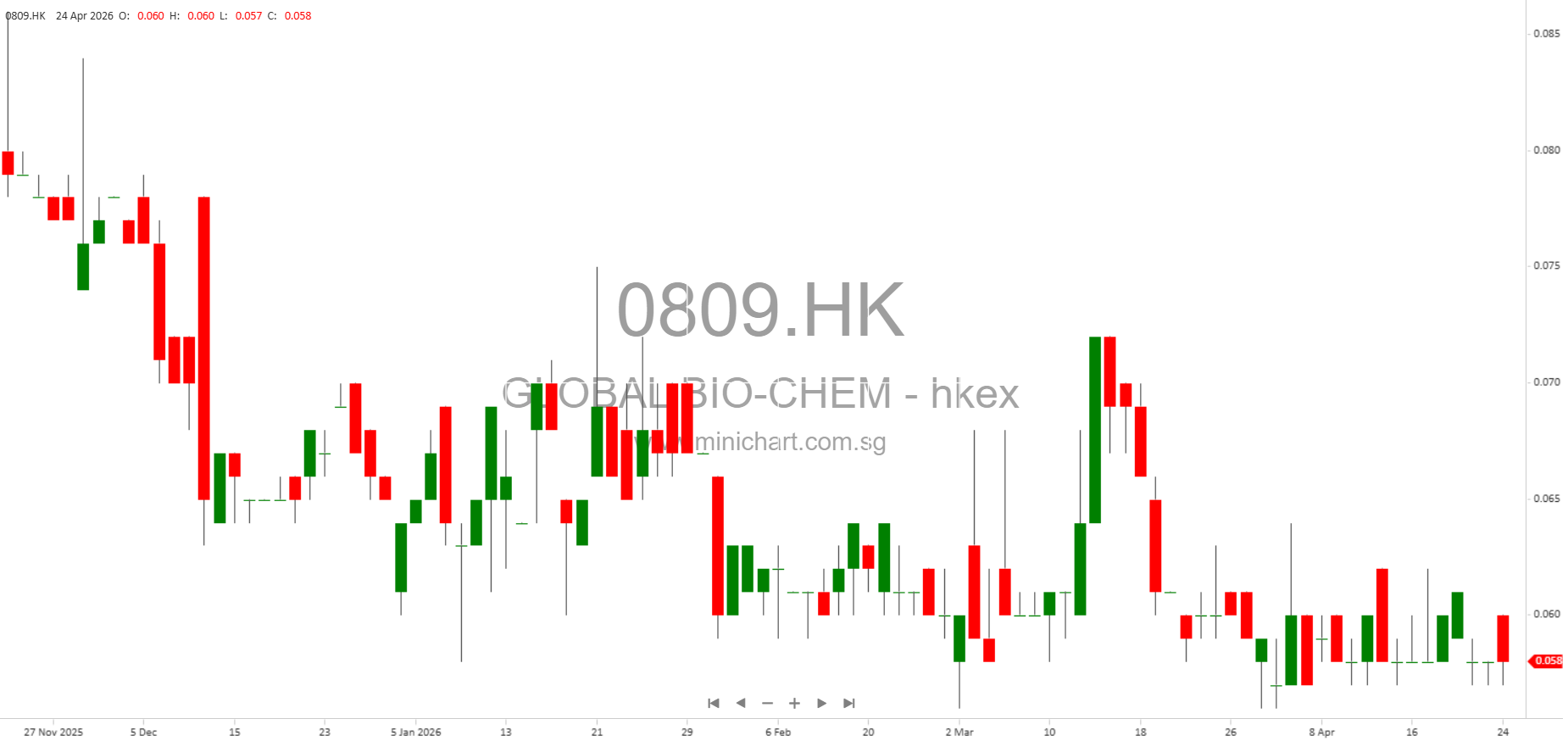
Conclusion and Share Price Sensitivity
Potential Price Movers:
- The substantial gain from debt restructuring (HK\$511.2 million), conversion of convertible bonds to equity, and continued revenue growth are positive developments that may support the valuation of the Company and investor sentiment.
- However, the material uncertainty regarding going concern, high net current liabilities, and the lack of dividend payout could weigh on the share price.
- Ongoing litigation, albeit mostly settled, and the absence of new investments signal a cautious outlook for aggressive growth in the near term.