BaWang International (Group) Holding Limited 2025 Annual Report – Key Investor Takeaways
Executive Summary
BaWang International (Group) Holding Limited (“BaWang” or “the Group”) has released its audited results for the year ended 31 December 2025, providing investors with crucial insights into its operational performance, strategic direction, financial health, and risk management. The report delivers several key developments that current and potential shareholders should carefully consider.
Financial Performance Highlights
- Revenue for 2025: RMB 273.1 million, an increase from RMB 253.0 million in 2024.
- Profit Attributable to Owners: RMB 3.89 million, down from RMB 6.56 million in 2024.
- Profit Before Tax: RMB 4.01 million (2024: RMB 6.63 million).
- Net Assets: RMB 149.5 million, up from RMB 145.5 million in 2024.
- Basic and Diluted EPS: RMB 0.1228 (2024: RMB 0.2073).
- No dividend declared or paid for the year ended 31 December 2025.
- Cash and Bank Balances: RMB 115.6 million, down modestly from RMB 120.3 million in 2024.
- Impairment Losses: RMB 0.6 million recognized for trade receivables under expected credit loss model.
Strategic and Operational Updates
- Business Model and Market Positioning: The Group is focused on becoming a leading enterprise in branded Chinese herbal home and personal care (HPC) products. It is pursuing a balanced strategy of brand and product diversification within the HPC sector.
- Short-Term Strategy: Leveraging a management team with expertise in both domestic and international HPC markets to drive sustainable sales and profit growth, aiming to restore investor confidence.
- Long-Term Vision: Consolidating business model and market share domestically and internationally, with continued product and brand innovation, particularly in anti-hair loss solutions.
- Product Development: Increased investment in anti-hair fall hair care products; ongoing improvements in quality, sales, and brand presence for shampoo and scalp care categories; expansion into related products such as shower gels.
- Marketing Initiatives: Enhanced investment in KOL/KOC endorsements and creative content to boost brand awareness and sales; deepening retail channel operations and leveraging B2B platforms like 1688 for online wholesale and group buying.
- Target Consumer Strategies: Deeper segmentation and precise operations, tailoring products and solutions to specific consumer groups and scenarios (e.g., late-night users).
Risk Factors and Uncertainties
- Market Competition: The Group is facing intensified competition from both emerging domestic brands and international cosmetics giants. The proliferation of brands and new product concepts in the HPC sector, particularly in hair care, poses a challenge. BaWang aims to differentiate through regional strategies, product and brand optimization, and technological innovation.
- Credit Risk: Increased risk of bad debts, especially under weak economic conditions. Dedicated staff and monitoring procedures are in place, with regular reviews and impairment recognition for uncollectible debts.
- Raw Material Price Volatility: Rising prices for basic raw materials, such as petroleum and palm oil, have increased operating costs and could impact profitability. The Group is mitigating this through stable supplier relationships and ongoing cost optimization in product formulas and manufacturing processes.
- Currency Risk: Exposure to foreign exchange fluctuations due to overseas sales denominated in foreign currencies. The Group manages this risk closely and is prepared to use hedging instruments if necessary, though currently most operations and reporting are in RMB.
Corporate Governance and ESG
- Corporate Governance: The Board is actively engaged in strategy, risk management, internal controls, and compliance. Diversity, both at board and workforce levels, is supported as a long-term goal.
- Dividend Policy: While no dividend was declared for 2025, the Board maintains a policy to distribute up to 30% of anticipated consolidated net annual profits, subject to operational and financial conditions.
- Audit and Risk Management: The Audit and Risk Management Committee reviewed and recommended adoption of the annual report after discussions with management and external auditors. No significant audit issues were raised for disclosure.
- ESG Commitment: The Group adheres to high environmental and social standards, with ongoing compliance to local regulations and the Hong Kong Stock Exchange’s ESG Reporting Guide. Future targets include emissions, greenhouse gases, and energy efficiency.
- No material acquisition/disposal, contingent liabilities, or capital commitments during 2025.
Shareholder and Market-Sensitive Information
- No Final Dividend for 2025: The Board does not recommend any final dividend for the year, which may be significant for income-focused investors.
- Stable Capital Structure: No new shares were issued, nor did the Group engage in any share buyback, sale, or redemption of listed securities. Public float remained above 25% as required by the Listing Rules.
- Management Changes: Mr. Zhang Jianrong resigned as director of a subsidiary in April 2025; Mr. Huang Shanyang retired as executive director, CFO, company secretary, and authorized representative in October 2025.
- Share Option Scheme: As of 31 December 2025, 316,244,072 options remain available for grant under the 2020 Share Option Scheme, with no grants, exercises, cancellations, or lapses during the year.
Financial Outlook and Investor Considerations
- Business Outlook: The Group remains committed to stabilizing and growing its business amid market uncertainties, with continued investment in management capabilities, product innovation, and market expansion both in China and abroad.
- Liquidity and Financial Resources: BaWang maintains a prudent financial management policy with healthy liquidity. As of 31 December 2025, the Group had cash and equivalent balances of RMB 115.6 million and no asset pledges or significant borrowings.
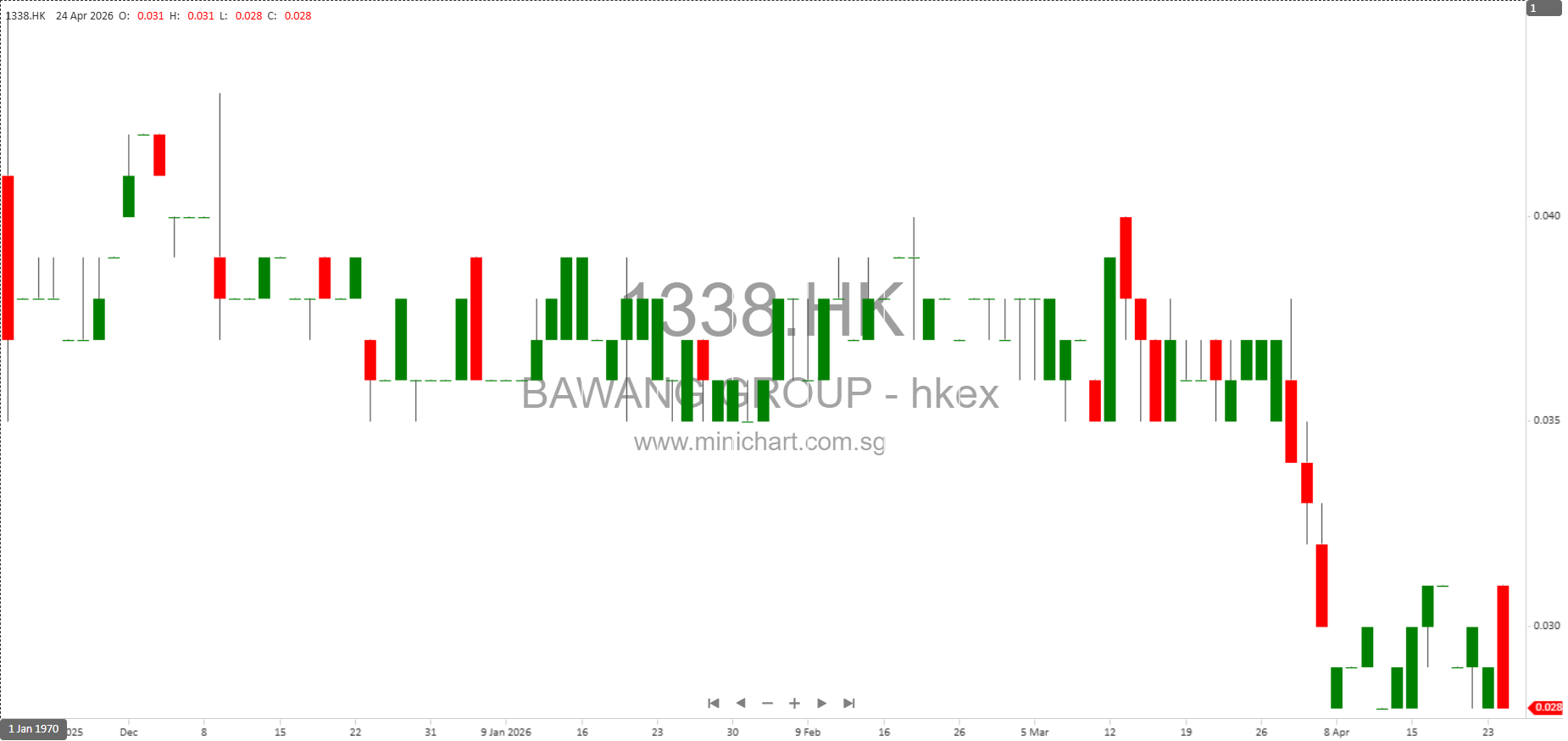
- Potential Share Price Impact: The decline in net profit and the absence of a dividend may weigh on short-term investor sentiment. However, revenue growth, cash stability, and increased investment in brand and product development could support long-term value, especially if the Group successfully differentiates itself in the highly competitive HPC market.
Conclusion
Investors should closely monitor how BaWang executes its strategies for product innovation, market expansion, and risk management as these will be critical drivers of future profitability and potential share price performance. The challenging competitive landscape, coupled with macroeconomic uncertainties, underscores the need for continued vigilance regarding the Group’s operational and financial discipline.
Disclaimer: This article is provided for informational purposes only and does not constitute investment advice or a recommendation to buy or sell any securities. Investors should conduct their own research and consult with professional advisors before making any investment decisions.