Uni-Bio Science Group Releases Comprehensive 2025 ESG Report: Key Insights for Investors
Uni-Bio Science Group Limited (the “Group”) has published its 2025 Environmental, Social, and Governance (ESG) Report, outlining significant progress in sustainability, corporate governance, and operational resilience. The report, which covers the Group’s activities in Hong Kong and Mainland China, provides critical updates that may be material to shareholders and could impact the Group’s valuation and market sentiment.
1. Key Financial and Operational Highlights
- Turnover: HK\$587 million
- Gross Profit Margin: 83.2%
- R&D Expense to Turnover: 7.7%
- Breakthrough Product Launch: The Group’s new ophthalmic drug, Jinyinkang (Diquafosol Sodium Eye Drops), received official marketing approval, addressing unmet needs in dry eye syndrome and potentially expanding the revenue base.
- Sector Diversification: The Group is advancing in three core sectors: Drug, Medical Device, and Aesthetics, with cross-brand collaboration (notably with GeneQueens and Jinyinfu) driving both product upgrades and wider market coverage.
2. ESG Governance and Board Oversight
- The Board of Directors is directly responsible for ESG strategy and reporting, with an ESG Task Force chaired by the CEO and supported by independent directors and senior management.
- Regular quarterly reviews and annual board meetings ensure ESG risks and opportunities are prioritized and acted upon, with an independent ESG consultant engaged for data and strategy validation.
- Short-term ESG goals were set during the year, and progress is regularly monitored to ensure alignment with stakeholder expectations and regulatory requirements.
3. Material ESG Issues and Stakeholder Engagement
- The Group commissioned BMI Environmental Consultancy Limited to conduct a materiality assessment involving stakeholders, identifying 28 key ESG issues across environmental, social, operational, and community domains.
- Top material issues include: intellectual property protection, product responsibility, R&D innovation, employee health and safety, labor compliance, anti-corruption, and supply chain sustainability.
- Stakeholder communication channels include annual shareholder meetings, supplier audits, regular customer feedback, and community engagement activities.
4. Climate Change Strategy and Risk Management
- The Group acknowledges climate change as a major risk and has established Board-level structures for climate governance, devoting annual board time to climate risk and opportunity discussions.
- Key risks identified:
- Physical Risks: Increased frequency of extreme weather events could disrupt operations, increase costs, and damage assets.
- Transition Risks: Evolving regulations, technology upgrades, and market shifts towards green supply chains may require significant capital investment and pose competitive challenges.
- Reputational Risks: Lagging in climate disclosure or ESG performance could negatively impact financing, share price, and strategic partnerships.
- No significant capital expenditures were made in 2025 specifically to address climate-related risks, but the Group plans to allocate funds in the future as risks and opportunities are further assessed.
5. Environmental Performance and Targets
- GHG Emissions: 2025 emissions reached 4,953 tCO2e, up 87% year-on-year due to a 35% increase in production volume and expanded disclosure scope. Scope 2 (purchased electricity) accounts for 58% of emissions. The Group’s intensity target is to maintain emissions per production unit at 2025 levels by 2029.
- Waste and Water: Hazardous waste emissions grew by 12%, and wastewater discharge increased by 25% (31,185 m3), mainly due to production expansion. The Group has achieved its water and waste intensity targets and continues to recycle and reuse materials where feasible.
- Energy Use: Total energy consumption rose 26% to 10,534 MWh-equivalent, in line with increased output. The Group is implementing energy-saving initiatives to improve efficiency.
- Packaging Materials: Usage increased to 209 tonnes, reflecting higher output.
6. Product Quality and Supply Chain Management
- All core pharmaceutical plants are GMP-certified, with robust SOPs for quality assurance, product recall, and labeling compliance.
- The Group maintains a stringent supplier vetting process, requiring environmental (ISO 14001) and quality (ISO 9001, GMP) certifications from suppliers. Regular audits and performance checks are conducted to uphold standards.
- 574 suppliers were active during the year, primarily in Mainland China. Sustainability criteria are now part of supplier selection and retention.
7. Employee Welfare, Safety, and Community Investment
- No work-related accidents or fatalities were reported over the past three years.
- Comprehensive policies cover fair recruitment, remuneration, training (16,806 hours in 2025), and occupational health. Employee turnover was 25% (137 employees), up from 15% (77 employees) in 2024, which may merit closer monitoring for workforce stability.
- The Group donated HK\$15,000 to charitable causes and contributed 16 volunteer hours during the year, supporting both children’s and elderly welfare organizations.
8. Anti-Corruption and Compliance
- Zero concluded legal cases involving corruption were reported in 2025. The Group enforces a strict anti-corruption policy, including whistleblower protections and annual training for all staff.
- Full compliance with all relevant environmental, labor, product quality, and anti-corruption laws was maintained, minimizing operational legal risks.
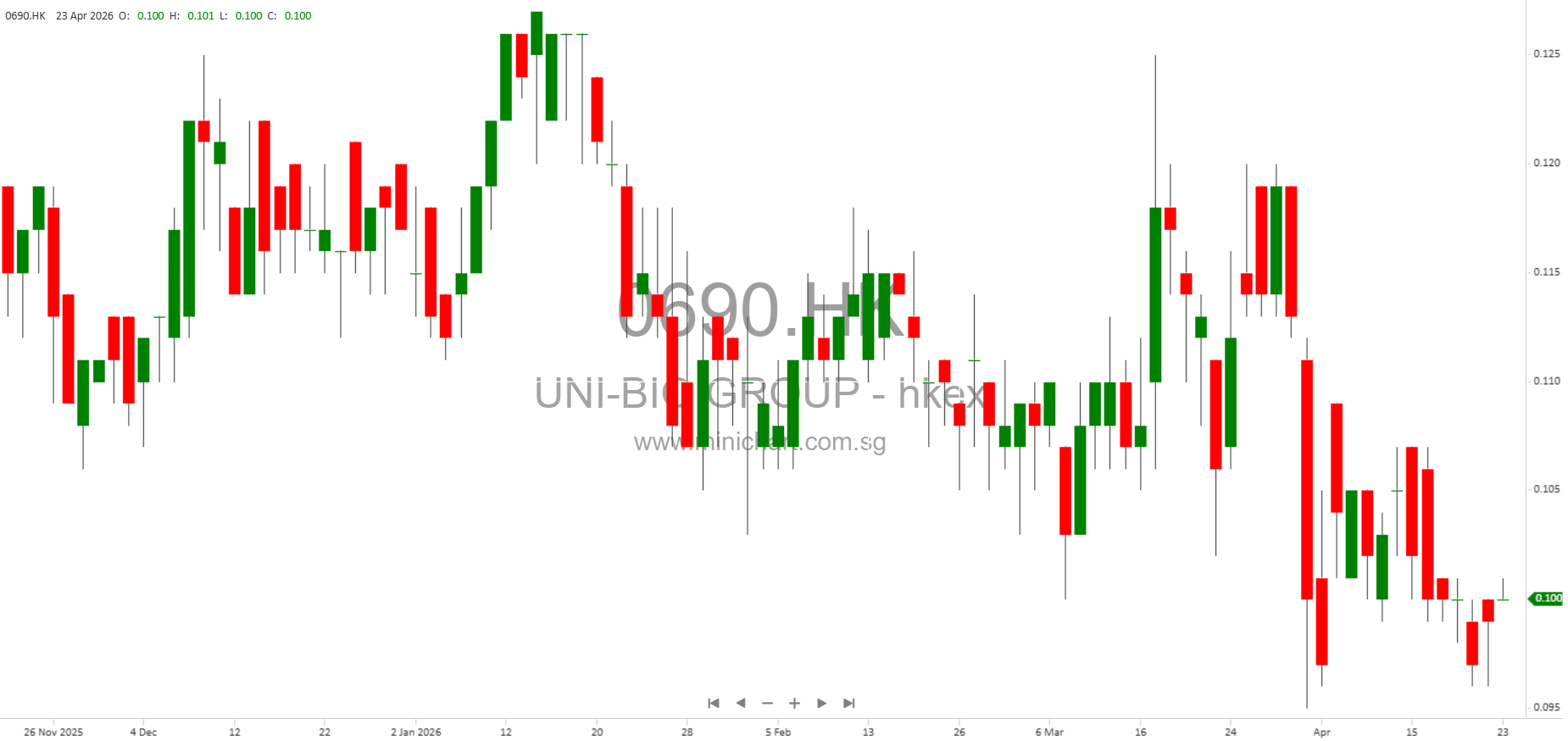
9. Potential Share Price Sensitivities and Investor Considerations
- Product approvals and market expansion: The launch of Jinyinkang addresses an unmet medical need and could drive revenue and market share growth.
- Cost pressures: Rising R&D, energy, and compliance costs related to ESG and climate adaptation could impact margins if not offset by revenue gains.
- ESG leadership: Proactive ESG governance, supply chain sustainability, and climate risk disclosures may improve investor sentiment, attract ESG-conscious capital, and reduce financing costs.
- Workforce turnover: The notable increase in employee turnover (from 15% to 25%) should be closely monitored for potential impacts on continuity and productivity.
- Regulatory readiness: The Group’s alignment with evolving international and local ESG regulations may offer a strategic advantage as disclosure standards and procurement criteria tighten.
Disclaimer:
This article is for informational purposes only and does not constitute investment advice. Investors should conduct their own due diligence or consult a professional advisor before making any investment decisions. The information provided is based on the 2025 ESG Report from Uni-Bio Science Group and is subject to change or update without notice.