Transcenta Holding Limited Unveils Promising Preclinical Data for Novel LIV1-targeting ADCs at AACR 2026
Key Highlights
- Groundbreaking Preclinical Results: Transcenta Holding Limited has presented new preclinical data for its proprietary LIV1-targeting antibody-drug conjugates (ADCs), TST013, at the 2026 AACR Annual Meeting.
- Potent Anti-Tumor Activity: The ADCs demonstrated strong anti-tumor efficacy in patient-derived xenograft (PDX) models of ER positive/HER2 negative breast cancer (which represent ~60% of all breast cancers) and prostate cancer.
- Differentiated Payloads & Efficacy: Two ADC candidates were developed: ADC-2 (conjugated with a Topoisomerase I inhibitor) and ADC-3 (conjugated with MMAE). ADC-2 showed longer half-life and favorable in vivo stability, while ADC-3 exhibited significant tumor inhibition in prostate cancer models.
- Favorable Tolerability Profiles: ADC-2 was well tolerated in mice, with the maximum tolerated dose (MTD) determined at 60 mg/kg. Slight lesions observed during treatment fully recovered post-treatment. Safety data for ADC-3 is pending.
- Broad Target Applicability: LIV1, a zinc transporter family member, is overexpressed in breast (93%), prostate (72%), and lung (10%) cancers, with limited expression in normal tissues. This makes it an attractive target for ADC therapeutics.
- Strong Target Specificity: The 48D6 antibody used as the base for ADC-2 and ADC-3 showed no non-specific interactions with other human proteins, confirming high target specificity.
- Additional Efficacy in TNBC: Previous data also showed potent anti-tumor activity in triple-negative breast cancer (TNBC) models, further broadening the potential clinical application.
Detailed Findings
The preclinical studies revealed that ADC-2, when administered at 6 mg/kg once weekly for four weeks, elicited strong anti-tumor activity in ER+/HER2 negative breast cancer and non-small cell lung cancer (NSCLC) PDX models. In prostate PDX models, ADC-2 showed limited efficacy after two doses, but when ADC-3 (MMAE payload) was introduced, it significantly inhibited tumor growth. Notably, in high LIV1-expressing prostate PDX models, ADC-3 suppressed tumor growth for more than 70 days after dosing was stopped.
Exploratory toxicity studies in mice indicated that ADC-2 was well tolerated across all tested doses, with only minor and reversible lesions at the highest dose. This supports the potential for higher dosing in future clinical trials. The tolerability of ADC-3 remains to be evaluated, which is a critical next step.
The exceptional efficacy and tolerability profile of both ADC candidates—especially as monotherapy—suggests a significant opportunity for Transcenta to develop targeted therapies for LIV1-positive solid tumors. The evidence for differentiated payload-dependent efficacy also positions Transcenta to optimize ADC design for specific tumor types.
Implications for Investors
- Potential Market Expansion: The data supports further development of TST013, with applicability in breast, prostate, and lung cancers. Given the high prevalence of LIV1 expression, successful clinical translation could open major market opportunities.
- Pipeline Advancement: The advancement to potential clinical trials in ER+/HER2 negative breast cancer (~60% of breast cancers) and prostate cancer marks a crucial milestone for Transcenta’s pipeline.
- Competitive Differentiation: The longer half-life and in vivo stability of ADC-2 compared to benchmark analogs may offer a competitive advantage in dosing and safety.
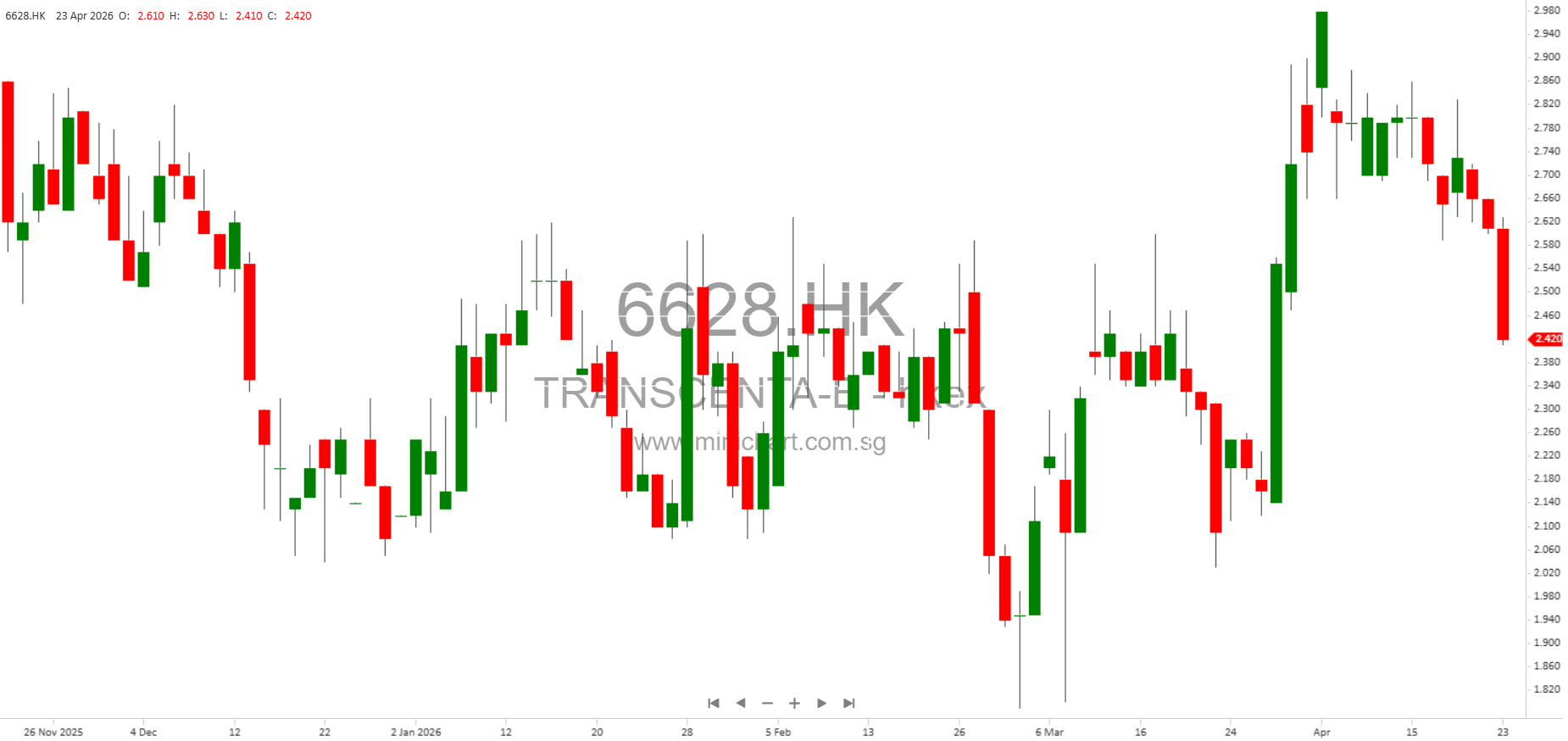
- Price-Sensitive Developments: Investors should note the cautionary statement—successful development and commercialization are not guaranteed. The ongoing safety evaluation of ADC-3 represents a risk factor. However, the strong preclinical data is likely to be viewed positively and could be price-sensitive if translated successfully into clinical results.
Board and Leadership Information
The announcement was made by Dr. Xueming Qian, Executive Director, Chairman, and Chief Executive Officer. The current board includes both executive and independent non-executive directors, ensuring robust governance.
Conclusion
Transcenta’s presentation of robust preclinical data for its LIV1-targeting ADCs marks a significant development in the company’s oncology pipeline. The strong efficacy, favorable tolerability, and broad tumor applicability position these candidates as promising assets. Investors should monitor future updates closely, especially regarding ADC-3’s safety profile and the initiation of clinical trials, as these events could materially impact share value.
Disclaimer
This article is for informational purposes only and does not constitute investment advice. The development and commercialization of pharmaceutical products involve significant risks and uncertainties. Investors are advised to exercise caution and conduct their own research before making any investment decisions related to Transcenta Holding Limited.