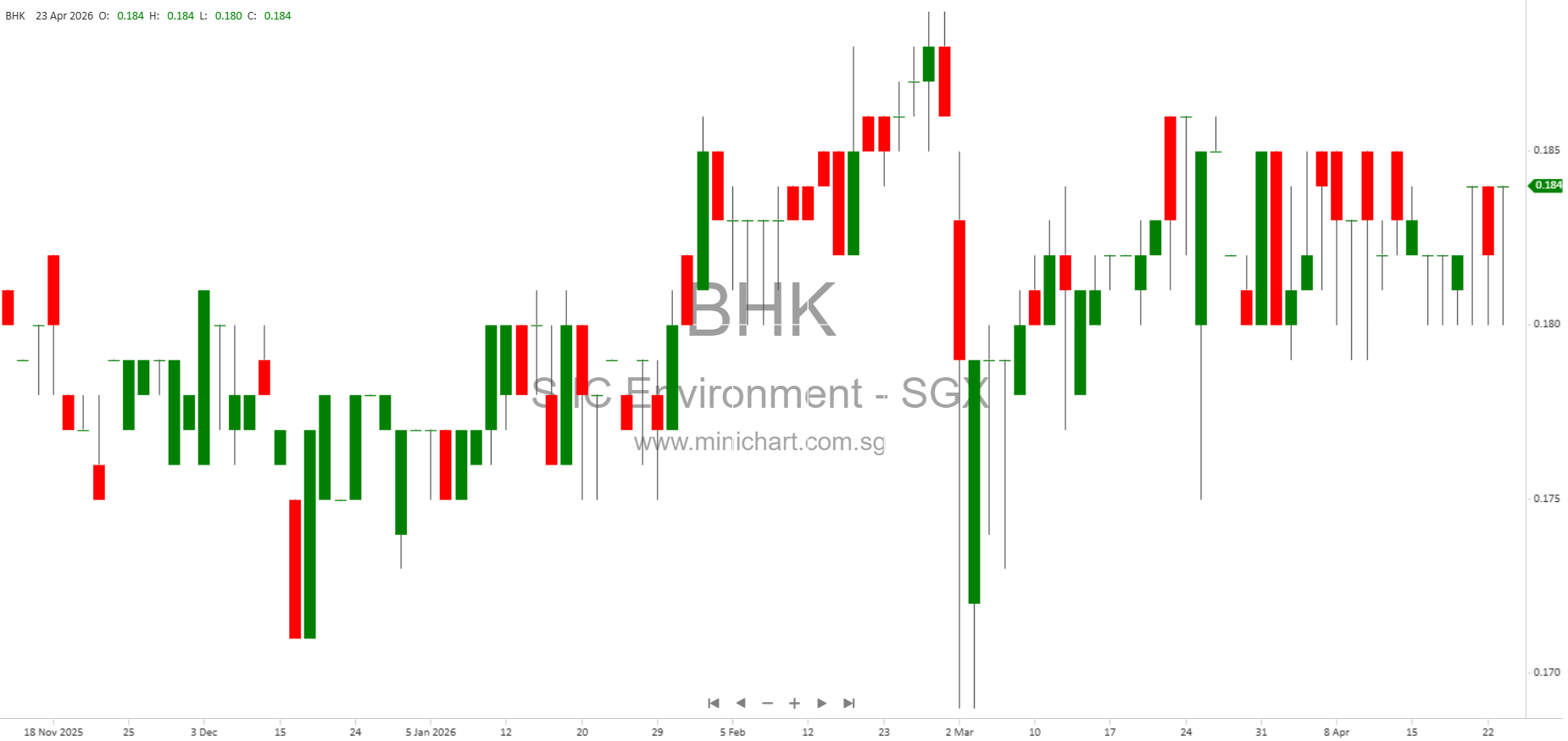
SIIC Environment Holdings Ltd. Issues Investor Q&A: Key Financials, Strategic Shifts, and Governance Updates
Executive Summary
SIIC Environment Holdings Ltd. (SIIC Environment) has issued detailed responses to investor questions ahead of its 2026 Annual General Meeting, providing critical insights into its FY2025 financial performance, operational strategy, receivables management, and board governance. These disclosures contain potentially price-sensitive information regarding the company’s revenue streams, risk management approaches, and future board composition, all of which are crucial for current and prospective shareholders.
Key FY2025 Financial Highlights and Operational Developments
- Revenue Decline, Profit Increase: For the fiscal year ended December 31, 2025, SIIC Environment reported a revenue drop to RMB 7.07 billion. Despite the decline in top-line revenue, net profit attributable to shareholders rose to RMB 610 million. This demonstrates the company’s ability to maintain profitability under challenging market conditions—a potential positive for share valuation.
- Expansion Through Acquisitions and New Projects: The group expanded its operational footprint by acquiring new projects, boosting its daily processing capacity by 380,000 tons through new projects and an additional 290,000 tons via strategic acquisitions. Notably, recent acquisitions were concentrated in Liaoning Province (Dalian and Anshan), reflecting a focus on mature, operational water treatment assets.
Strategic Shift in Business Model
- Construction Revenue Decline and Strategic Realignment: The decline in construction revenue was attributed primarily to industry-wide factors—slower project cycles and a decrease in new project additions. The company is proactively adjusting its strategy, shifting from capital-intensive, traditional construction to mergers and acquisitions, aiming for higher quality growth and efficiency improvements. This pivot may impact future revenue composition and risk profile.
- Acquisition vs. New Build Comparison: Acquisitions primarily target mature, stable-operating water plants with established management teams, focusing on operational stability, return on investment, compliance, and integration value. In contrast, new builds (typically under BOT models) involve higher construction and execution risk but offer long-term franchise income. The capital intensity and risk/return profile differ significantly between these strategies, which may affect future capital allocation and earnings volatility.
Cost and Expense Dynamics
- Rising Sales and Distribution Expenses: Despite falling revenue, sales and distribution expenses increased year-on-year, driven mainly by higher personnel costs (about 75% of the total) and greater expenditure on water meter maintenance (about 17%). Management clarified that this increase is not structural but relates to specific project needs and higher labor costs. There is no indication of a fundamental cost base shift, which may reassure investors concerned about margin erosion.
Receivables Quality and Credit Risk Management
- Notable Increase in Trade Receivables and Provisions: Trade receivables rose 18% to RMB 6.7 billion, with bad debt provisions reaching RMB 293.6 million. The amount of receivables overdue for more than 365 days increased significantly, now accounting for over one-third of the total.
- Enhanced Collection Measures and Definition of “Collection Efficiency”: The company has implemented targeted collection initiatives, such as project-specific tracking, enhanced engagement with government and clients, debt restructuring, and integrating collection performance into division assessments. “Collection efficiency” is defined as the proportion of receivables collected during the period to the outstanding receivables. There has been a progressive improvement in collection rates and operating cash flow, with continued focus on reducing Days Sales Outstanding (DSO).
- Credit Loss Provisioning: The group uses an expected credit loss (ECL) model based on historical collection data, migration rates, client credit risk, local government payment ability, and macroeconomic trends. The Audit Committee actively monitors and reviews the adequacy and prudence of provisions, especially given the rise in long-overdue receivables—a crucial risk factor for investors.
Board Composition and Corporate Governance Compliance
- Board Structure and Independence: The Board consists of four executive and three independent non-executive directors, thus not meeting the majority independence requirements of the 2018 Corporate Governance Code (Sections 2.2, 2.3). This deviation is justified by the company’s need for strong executive oversight during a phase of business integration and expansion.
- Mitigation of Governance Risks: To balance governance, all major Board committees (Audit, Nomination, Remuneration) are chaired and mostly composed of independent directors. A Lead Independent Director has been appointed to provide additional oversight and a communication channel for shareholders. The company has committed to gradually increasing the number of independent directors as part of planned Board succession.
- Potential for Board Changes: The company intends to add more independent non-executive directors in the future, aligning more closely with governance best practices. Any significant developments will be disclosed per regulatory requirements—potentially a positive catalyst for investor confidence and share price stability.
Key Risks and Potential Price-Sensitive Issues for Shareholders
- Revenue Mix Shift: The move from construction to acquisition-driven growth could lead to more stable, recurring revenue, but may also limit upside during industry upcycles.
- Receivables Risk: The substantial increase in overdue receivables and related provisions could pressure future cash flows and earnings if collection initiatives do not yield results.
- Governance Compliance: Any delays or failures in enhancing Board independence may result in negative investor perception or regulatory scrutiny.
Conclusion
SIIC Environment Holdings’ proactive strategic realignment, robust risk management actions, and commitment to governance enhancements provide both opportunities and challenges for investors. The company’s ability to manage credit risk, execute targeted M&A, and improve Board independence will be critical drivers of future share price performance.
Disclaimer: This article is for informational purposes only and does not constitute investment advice. Investors should conduct their own research or consult professional advisors before making investment decisions. The information herein is based on company disclosures as of April 23, 2026, and may be subject to change.