
Beijing Capital International Airport Company Limited 2025 ESG Report: Investor Highlights
Executive Summary
Beijing Capital International Airport Company Limited (BCIA) has released its 2025 Environmental, Social and Governance (ESG) Report, marking its 15th consecutive year of disclosure. The report demonstrates BCIA’s deep commitment to sustainable development, transparent governance, climate resilience, and operational excellence. For investors, several strategic developments and achievements are outlined, some of which may have direct implications for share value and future business prospects.
Key Points and Potentially Price-Sensitive Developments
1. ESG Integration and Governance Upgrades
- ESG Embedded in Corporate Strategy: The Board of Directors actively leads ESG efforts, incorporating key indicators such as safety, energy management, and procurement into management performance evaluations. This is a clear signal that ESG now directly impacts executive remuneration and strategic direction.
- Governance Structure Reform: In 2025, BCIA abolished its Supervisory Committee, added an Employee Director position, and revised key documents such as its Articles of Association. These moves strengthen board independence, diversity, and effectiveness, potentially increasing investor confidence in corporate governance practices.
- Risk Management and Compliance: BCIA has introduced a comprehensive risk management system with regular audits and a dedicated Risk Management Committee. No major corruption cases occurred in 2025, and anti-corruption training reached over 18,705 hours for employees, demonstrating robust controls and ethical standards.
2. Climate Change Response and Green Transition
- Carbon Asset Management & Trading: For the first time, BCIA participated in carbon allowance market trading, completing seven carbon asset transactions and monetizing emission reductions. This creates a new revenue stream and positions BCIA as a leader in carbon market participation.
- Energy Mix Optimization: BCIA purchased approximately 70 million kWh of green electricity, expanded photovoltaic projects, and increased adoption of new energy vehicles. These actions not only reduce carbon footprint but may lower operational costs in the long run.
- Climate Scenario Analysis: The company conducted financial risk assessments using PVaR and CVaR models, concluding that physical and transition risks from climate change remain manageable. BCIA aligns with TCFD and IFRS S2 frameworks, which may attract ESG-sensitive institutional investors.
- Four-Star “Dual-Carbon Airport” Recognition: BCIA earned a prestigious “Four Stars” under CCAA’s Airport Carbon Evaluation, enhancing its brand and competitive position in sustainable aviation.
3. Service and Technology Innovation
- Smart Airport Transformation: Full-process clearance services for international and regional electronic boarding passes were launched. Digital transformation efforts have improved operational efficiency and passenger experience, with 26 new service products introduced. These upgrades may drive higher passenger volumes and ancillary revenues.
- Customer Satisfaction and Complaint Resolution: Complaint handling procedures were optimized, resulting in a 100% resolution rate and a decrease in airport-attributable complaints by 7%. High customer satisfaction can support revenue growth and brand equity.
- Intellectual Property Expansion: BCIA was awarded 1 invention patent, 7 utility model patents, and 7 software copyrights in 2025, reflecting ongoing investment in proprietary technology and service innovation.
4. Social Responsibility and Talent Development
- Employee Welfare and Diversity: BCIA improved employee benefits, health initiatives, and launched “National Gate Women’s Action” to protect female employees’ rights. All employees are protected by collective bargaining agreements, and training rates remain at 100%.
- Community Engagement: BCIA invested RMB 13.05 million in rural revitalization and organized 239 volunteers contributing 831 hours. This strengthens its social license to operate.
- Supply Chain Sustainability: Supplier performance is tightly monitored, with deficient suppliers excluded from future contracts. Energy conservation is a key supplier evaluation metric.
5. Financial and Operational Metrics
- Zero Work-Related Fatalities: BCIA maintained an exemplary safety record, with no work-related fatalities in 2025.
- Stable Workforce: Employee turnover rates remain low (1% for Chinese mainland operations), and all employees received training.
- No Material Climate-Related Financial Impact: As of 2025, BCIA reported no material climate-related impacts on financial performance, giving investors confidence in operational stability.
- Complaint and Corruption Metrics: Product-and-service-related complaints fell to 53 cases, all resolved, and there were zero concluded legal cases regarding corruption.
Shareholder Considerations and Potential Price Drivers
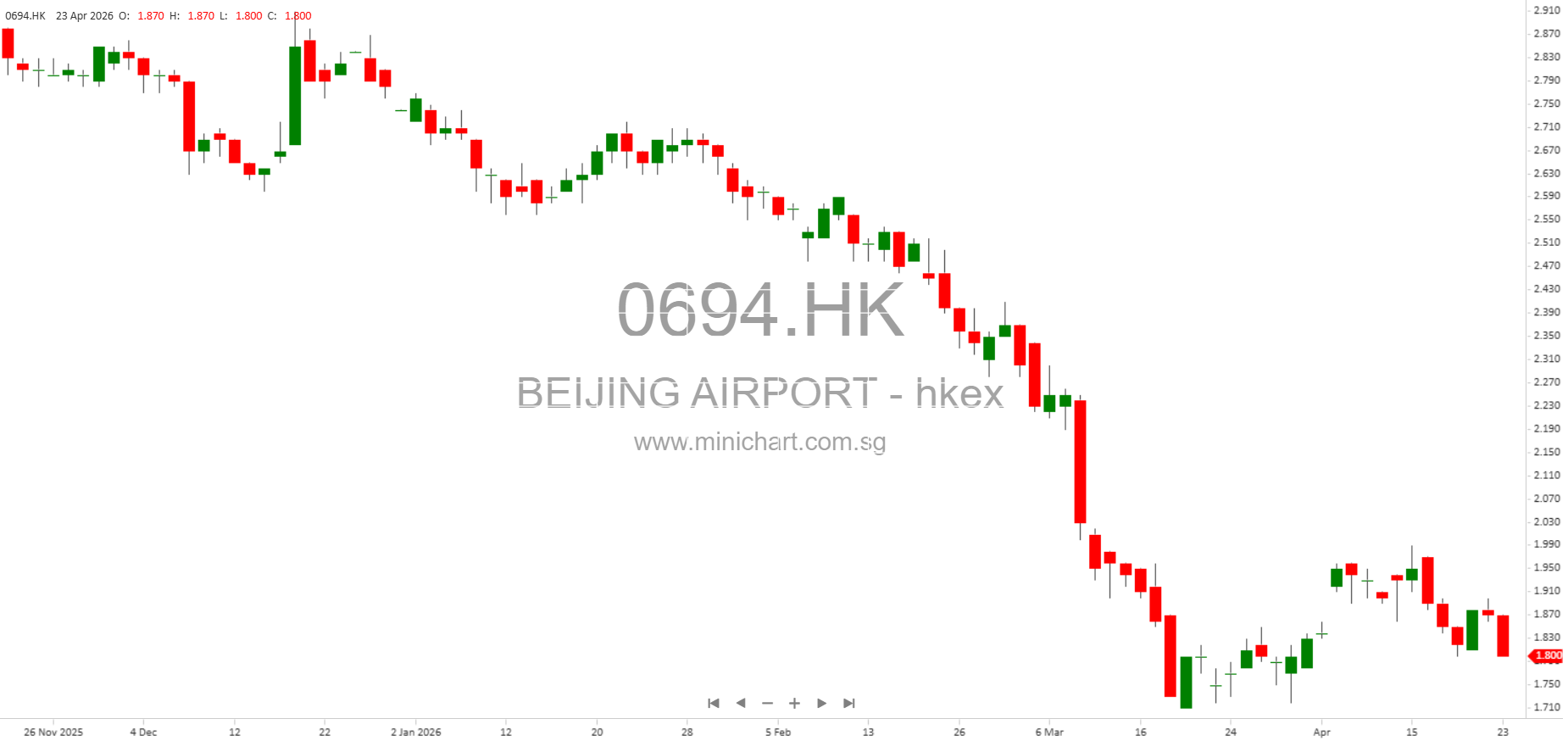
- Carbon Market Participation: The monetization of carbon assets and participation in trading may be price sensitive, especially as China’s national carbon market matures. Investors should monitor future revenue from carbon trading and its impact on profit margins.
- ESG Integration into Executive Compensation: Linking ESG performance to management remuneration may drive strategic execution and reduce operational risks, critical for long-term shareholder value.
- Brand Enhancement and Green Recognition: The four-star rating under CCAA’s dual-carbon airport evaluation may attract more airlines, passengers, and partnerships, positively impacting revenues.
- Operational Efficiency Gains: Service and technology innovations, including smart airport upgrades and digitalization, may boost passenger throughput, reduce costs, and improve financial performance.
- Supply Chain and Compliance Measures: Stringent supplier management and integrity governance lower the risk of operational disruptions and reputational damage.
Conclusion
BCIA’s 2025 ESG Report reveals strategic progress in governance, climate action, service innovation, and social responsibility. The company’s pioneering steps in carbon asset monetization, digital transformation, and robust compliance may materially affect its long-term competitive position and share value. Investors should closely monitor BCIA’s carbon trading activities, ESG-driven operational improvements, and further developments in smart airport technology as these could drive future earnings and market sentiment.
Disclaimer
This article is intended for informational purposes only and does not constitute investment advice. The information is based on BCIA’s 2025 ESG Report and may be subject to change. Investors are advised to conduct their own due diligence and consult financial professionals before making investment decisions.