上海机电股份有限公司2026年第一季度财报深度解读
一、关键信息摘要
- 营业收入:42.59亿元,同比增长1.13%。
- 归属于上市公司股东的净利润:1.78亿元,同比下降12.32%。
- 扣非净利润:1.70亿元,同比下降10.10%。
- 基本每股收益:0.17元,同比下降15%。
- 加权平均净资产收益率:1.27%,同比减少0.20个百分点。
- 经营活动现金流量净额:为-1.36亿元,现金流压力有所加大。
- 利润总额:3.40亿元,同比减少6.55%。
- 总资产:328.76亿元,同比减少1.66%。
- 所有者权益:141.42亿元,同比增长0.57%。
二、对股东及投资者的重要提醒与潜在影响
- 净利润下滑:公司净利润和扣非净利润均出现两位数下滑,主要受部分联营企业业绩下滑、投资收益下降等因素影响,这对公司盈利能力和资本市场预期可能形成一定压力。
- 经营现金流持续为负:2026年一季度经营活动产生的现金流量净额为-1.36亿元,同比进一步恶化,显示公司在回款、库存等方面面临压力,需关注公司现金流管理能力及后续对流动性的调节。
- 投资收益大幅减少:投资收益同比下降30.41%,公司联营企业表现不佳,可能影响未来业绩稳定性。
- 存货与应收账款规模大:截至一季度末,公司存货高达43.28亿元,应收账款40.52亿元,均处于较高水平,需关注后续去化能力及坏账风险。
- 公司回购动态:公司回购专用证券账户持股数为1,092.64万股,占总股本1.0684%。回购行为或体现管理层对公司价值的信心,但对流动性有一定影响。
- 现金及现金等价物余额下降:季末现金及现金等价物余额为80.41亿元,较期初减少2.32亿元,需持续关注资金安全边际。
- 非经常性损益:2026Q1非经常性损益为833万元,主要包括政府补助、金融资产公允价值变动等,剔除后扣非净利润下滑仍较明显。
- 股东结构稳定:控股股东上海电气集团持股43.02%,上海国际集团持股5%,前十大股东无明显变动,结构较为稳定。
- 应付票据、合同负债、税费等均有较大变动:应付票据下降16.56%,合同负债下降6.2%,应交税费大幅减少,反映公司经营节奏、订单及应收应付变化。
三、详细财务分析
1. 收入与利润
公司营业收入稳步增长,但净利润出现较大幅度下滑,主要由于投资收益减少、部分联营企业业绩不佳及资产减值损失等影响。扣非后净利润下降,显示主营业务盈利质量有所承压。
2. 现金流状况
经营活动现金流持续为负,短期资金压力较大,而投资活动现金流亦大幅减少(同比下降65.62%),主要由于定期存款收回金额减少。筹资活动现金流净额为-1.44亿元,主要系回购B股支出增加。
3. 资产负债结构
资产总额较上年末有所减少,存货、应收账款规模维持高位。负债总额同比有所下降,流动负债变化较大,主要是合同负债和应交税费减少。所有者权益小幅增长,公司整体资产负债表结构稳健。
4. 非经常性损益与影响
本季度公司非经常性损益为833万元,主要包括政府补助、公允价值变动、资产处置损益等。非经常性损益对净利润贡献有限,主营业务表现才是影响公司业绩的核心。
5. 股东结构与回购
股东结构稳定,国有资本为主,回购股份行为对公司股价有一定支撑作用,但需关注流动性变化。
四、投资者特别关注事项(可能影响股价)
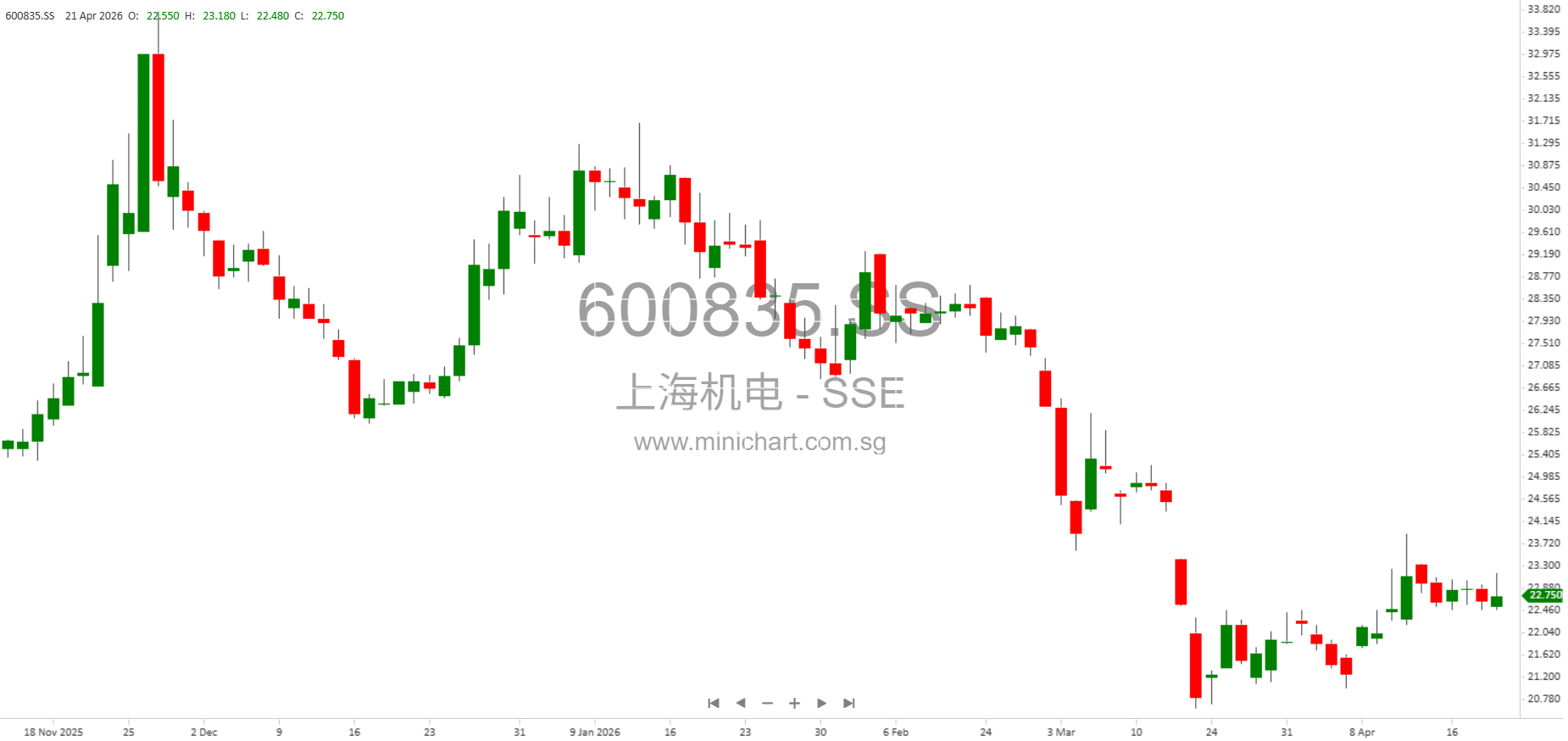
- 业绩下滑压力:归母净利润及扣非净利润双双下滑,若二季度未见反转,可能引发市场负面情绪,施压股价。
- 流动性压力加大:经营现金流持续为负,若公司无法改善回款和去库存,或需加大融资力度,影响公司估值。
- 投资收益不及预期:联营企业表现不佳,投资收益大幅减少,对公司中长期业绩形成不利影响。
- 回购行为释放积极信号:公司持续回购股份,或显示管理层对公司未来有信心,可能对股价形成支撑。
五、结论
综合来看,上海机电2026年第一季度面临盈利能力下滑与现金流压力,尽管营业收入稳定增长,但非主营业务表现不佳、投资收益减少、现金流紧张等问题需引起投资者高度重视。回购行为释放管理层信心,但整体盈利质量和现金流状况需持续关注。以上因素均可能对公司股价产生影响,建议投资者密切跟踪公司后续业绩表现及流动性管理。
免责声明:本文内容仅供投资者参考,不构成任何投资建议。股市有风险,投资需谨慎。投资者应结合自身实际情况,独立判断并自行承担投资风险。
English Version
Shanghai Mechanical & Electrical Co., Ltd. Q1 2026 Financial Report—In-Depth Interpretation
1. Key Summary
- Operating revenue: RMB 4.259 billion, up 1.13% YoY.
- Net profit attributable to shareholders: RMB 178 million, down 12.32% YoY.
- Net profit excluding non-recurring items: RMB 170 million, down 10.10% YoY.
- Basic EPS: RMB 0.17, down 15% YoY.
- Weighted average ROE: 1.27%, decreased by 0.20 percentage point.
- Net cash flow from operating activities: -RMB 136 million, showing increased cash flow pressure.
- Total profit: RMB 340 million, down 6.55% YoY.
- Total assets: RMB 32.88 billion, down 1.66% YoY.
- Equity attributable to shareholders: RMB 14.14 billion, up 0.57% YoY.
2. Critical Issues for Shareholders (Potential Price-sensitive Information)
- Net profit decline: Double-digit drop in both net profit and non-recurring net profit, mainly due to weaker associate performance and reduced investment income, may pressure earnings outlook and share price.
- Negative operating cash flow: Net cash flow from operations continued negative at -RMB 136 million, highlighting pressure in collection and inventory management, calling for attention to liquidity control.
- Sharp fall in investment income: Down 30.41% YoY, reflecting poor performance of associates, which may impact mid- to long-term stability.
- High inventories and receivables: End-Q1 inventories at RMB 4.33 billion, receivables at RMB 4.05 billion; potential risks in asset quality and collection.
- Share buyback: Company repurchased 10.93 million shares (1.07% of total share capital), signaling management’s confidence, but also cash flow outlay.
- Decreased cash & equivalents: Closing cash position at RMB 8.04 billion, down RMB 231 million from the start of the year; investors should monitor liquidity buffer.
- Non-recurring items: Q1 non-recurring profit RMB 8.33 million; after adjustment, core business profit still declined.
- Stable shareholder structure: Shanghai Electric Group holds 43.02%, Shanghai International Group 5%; no major change in top shareholders.
- Significant changes in payables, contract liabilities, taxes: Notable declines in payables and advances, reflecting order and working capital shifts.
3. Detailed Financial Analysis
1. Revenue & Profit
Revenue grew slightly, but profitability declined significantly due to lower investment income, associate underperformance, and asset impairment losses. The drop in core (non-recurring) profit underscores operating margin pressure.
2. Cash Flow
Negative operating cash flow and sharp decline in investing cash flow (down 65.62% YoY) reflect weaker collections and less term deposit redemption. Financing cash outflow due to share buyback also weighs on liquidity.
3. Balance Sheet
Asset base shrank slightly, with high inventories and receivables. Liabilities fell, mainly due to lower contract liabilities and taxes. Equity improved modestly; balance sheet remains robust.
4. Non-recurring Items
Non-recurring income is limited and does not offset the pressure on core profitability.
5. Shareholder Structure & Buyback
Shareholding is stable, state-owned groups dominate, and buyback could support share price, but liquidity impact should be noted.
4. Key Issues for Investors (Potential Share Price Triggers)
- Earnings pressure: Persistent profit decline could lead to negative sentiment if not reversed in Q2.
- Liquidity risk: Continued negative operating cash flow may force further financing or cost-cutting, impacting valuation.
- Investment income miss: Poor performance from associates adds uncertainty to future profits.
- Buyback signals confidence: Could help support the share price, pending core business turnaround.
5. Conclusion
In summary, Q1 2026 results show earnings and cash flow pressure for Shanghai M&E. Although revenue is stable, weaker investment income, negative cash flow, and asset quality risks merit close attention. Buybacks reflect management confidence, but sustainable recovery in core earnings and liquidity is key for future share price trends.
Disclaimer: This article is for reference only and does not constitute investment advice. Please make independent decisions and assume investment risks accordingly.