Bumitama Agri Ltd. Responds to Shareholder and SIAS Questions Ahead of 2026 AGM: Key Insights for Investors
Overview
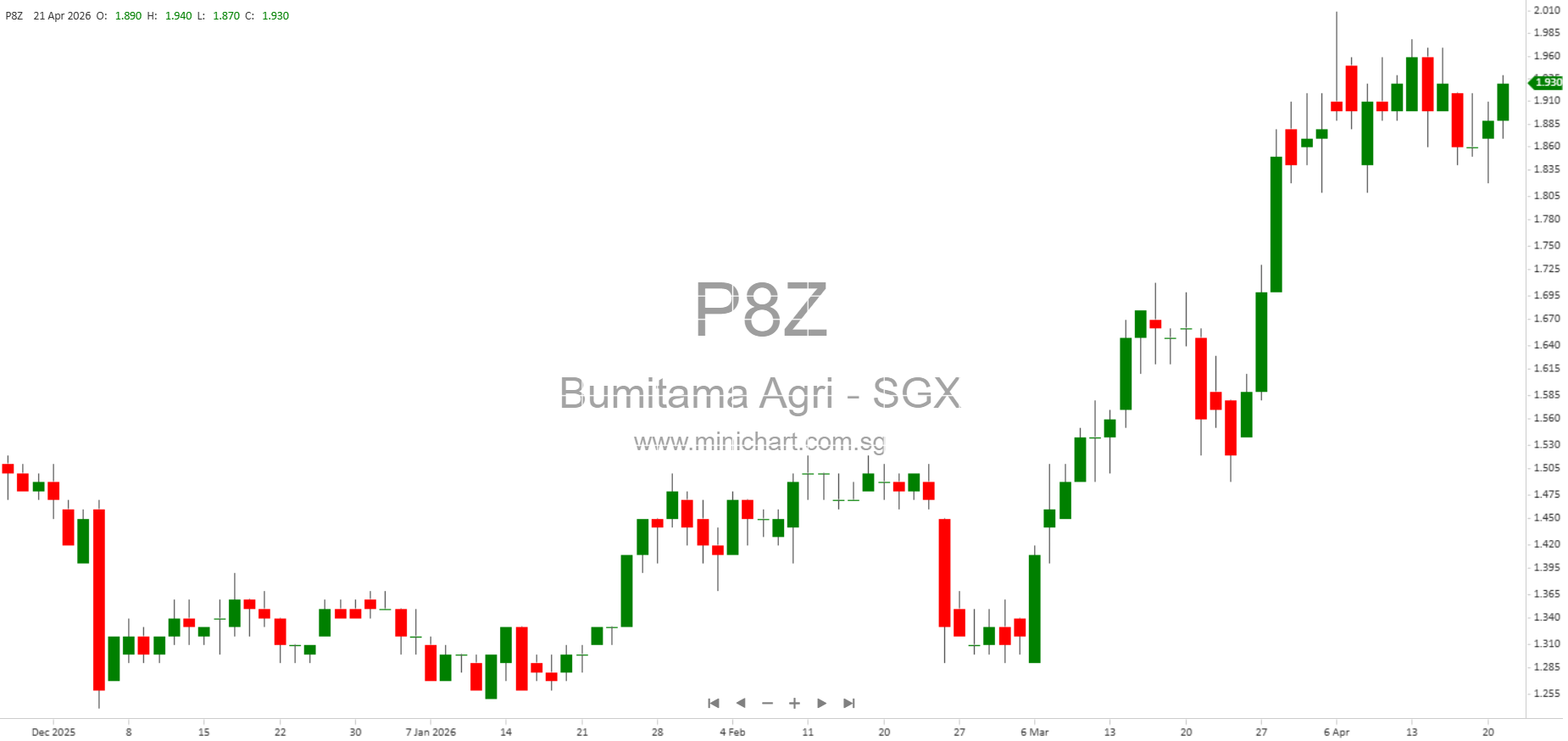
Bumitama Agri Ltd. (SGX: P8Z), a leading upstream palm oil producer in Indonesia, has released detailed responses to questions from shareholders and the Securities Investors Association (Singapore) (SIAS) before its upcoming Annual General Meeting (AGM) on 27 April 2026. These responses offer crucial information about operational resilience, market dynamics, and strategic positioning that investors should closely monitor. Below, we dissect the company’s answers, highlighting potentially price-sensitive disclosures and operational strategies.
1. Impact of Geopolitical Events and Energy Prices
- Direct Cost Impact Manageable: The company reports that energy-related costs, namely fuel and fertilizer, account for about 10% of total production costs. These are considered manageable within the current cost structure.
- Positive Correlation with Palm Oil Prices: Unlike many manufacturing sectors, rising energy prices can be favourable for palm oil producers. This is due to palm oil’s role as a feedstock for biofuel—higher fossil fuel prices generally boost biodiesel production, supporting palm oil demand and prices.
- Shift in Vegetable Oil Pricing: The price spread between palm oil and US soybean oil has widened significantly (over US\$300/tonne vs. US\$90/tonne in 2025), making palm oil more attractive globally.
- Growing Structural Demand: In 2025, 25% of global palm oil production was used for energy-related purposes, up from 15% a decade ago, reflecting the increasing importance of biofuels.
- Conclusion: While cost pressures exist, the positive linkage between energy and palm oil markets may help mitigate these impacts or even provide a net benefit to the company’s performance.
2. Tightening Edible Oil Market & Biodiesel Mandates
- Global Supply-Demand Balance: Global edible oil demand in 2024-2025 exceeded supply growth, with stock-to-usage ratios falling for the third consecutive year to 12.9%. Biofuel use is a key driver of this tightening.
- Indonesia’s B40 & Potential B50 Mandate: Domestic biodiesel demand hit 12.43 million MT in 2025 under the B40 mandate. The planned B50 mandate, if implemented, could further bolster domestic demand, though its introduction is contingent on technical and policy readiness.
- Strategic Planning & Policy Risk: Bumitama does not base planting or capex decisions solely on biodiesel policies but incorporates these in broader market assumptions. The company maintains flexibility and a disciplined investment approach, providing resilience against policy shifts.
- Price Sensitivity to Fertilizer: Fertilizer application rates increased (1.13 MT/ha in 2025 vs. 1.07 MT/ha prior). Yet, the company proactively secures 50-60% of annual fertilizer needs in advance, mitigating input price volatility. Fertilizer costs remain below 10% of total costs.
3. Sourcing Strategy and Sustainability Commitments
- Third-Party Fresh Fruit Bunches (FFB): In FY2025, 39% of processed FFB was procured from third-party suppliers, representing 51% of total cost of sales. This strategy optimizes mill utilization (81% in 2025) and improves profitability through processing margins, despite higher direct purchase costs.
- Supply Chain Risk Management: All third-party procurement adheres to strict sustainability standards, including NDPE (No Deforestation, No Peat, No Exploitation) and traceability requirements.
- Traceability & EUDR Preparedness: The company has mapped 92.5% of processed FFB to exact plot-level polygons and aims for 100% traceability by early 2027. This supports compliance with the EU Deforestation Regulation (EUDR) and enhances supply chain transparency.
4. Commodity Pricing and Risk Management
- Record Palm Kernel (PK) Prices: PK prices averaged IDR 12,093/kg in FY2025 (an 84% price ratio to CPO and the highest in eight years), driven by strong demand for lauric oils and stagnant global supply.
- Outlook: Management expects PK prices to remain well-supported in the medium term, citing resilient demand and limited supply growth from key producers.
- Sales & Hedging Strategy: The company mainly uses physical forward contracts, capping forward sales at 40% of nucleus CPO production for up to six months. In 2025, all sales were on a spot basis as forward prices were not attractive.
5. Key Takeaways for Investors
- Strategic Resilience: The company’s disciplined cost management, proactive input procurement, and flexible investment strategies provide resilience in a volatile macro environment.
- Potential Price Drivers: The ongoing shift in biofuel policies, energy prices, and tight edible oil markets could impact palm oil prices and, by extension, Bumitama’s earnings.
- Sustainability Focus: Preparation for EUDR and advancements in supply chain traceability position Bumitama favourably for export markets, which could be a competitive edge if new regulations come into force.
- Record PK Prices: The strong performance in PK pricing has provided a meaningful margin uplift, but investors should monitor for any normalization if global supply improves.
Potential Share Price Catalysts & Risks
-
Positive:
- Further energy price increases or implementation of Indonesia’s B50 biodiesel mandate could drive palm oil demand and prices higher.
- Successful compliance with new sustainability regulations may unlock premium export markets.
- Sustained high PK prices continue to boost margins.
-
Negative:
- Input cost spikes (energy, fertilizer) or policy delays could pressure margins.
- Failure to meet traceability/sustainability standards could restrict market access.
- Potential normalization of PK prices may reduce recent margin gains.
Disclaimer: This article is for informational purposes only and does not constitute investment advice. Investors should conduct their own due diligence and consult financial advisors before making investment decisions. The information is based on company disclosures as of April 2026 and is subject to change without notice.