LS 2 Holdings Limited: Detailed Investor Update on Key Policies, Technology, and Board Decisions
Progressive Wage Credit Scheme: Financial Impact and Future Outlook
LS 2 Holdings Limited (“LS2”) has provided an in-depth response to investor queries regarding the ongoing impact and future implications of the Progressive Wage Credit Scheme (PWCS), a significant government initiative supporting wage increases for lower-wage workers in Singapore.
- Grant Income: LS2 recognised grant income of \$1.25 million in FY2024 and \$1.60 million in FY2025, compared to group profits of \$2.54 million and \$3.13 million over the same periods.
- Scheme End Date: PWCS support is scheduled to end on 1 July 2029, with phased tapering before that.
- Financial Impact: Management expects the removal of PWCS to result in some moderation of reported earnings. However, operating margins are not expected to be significantly affected, as higher labour costs from PWM wage adjustments have already been integrated into contract pricing and cost structures.
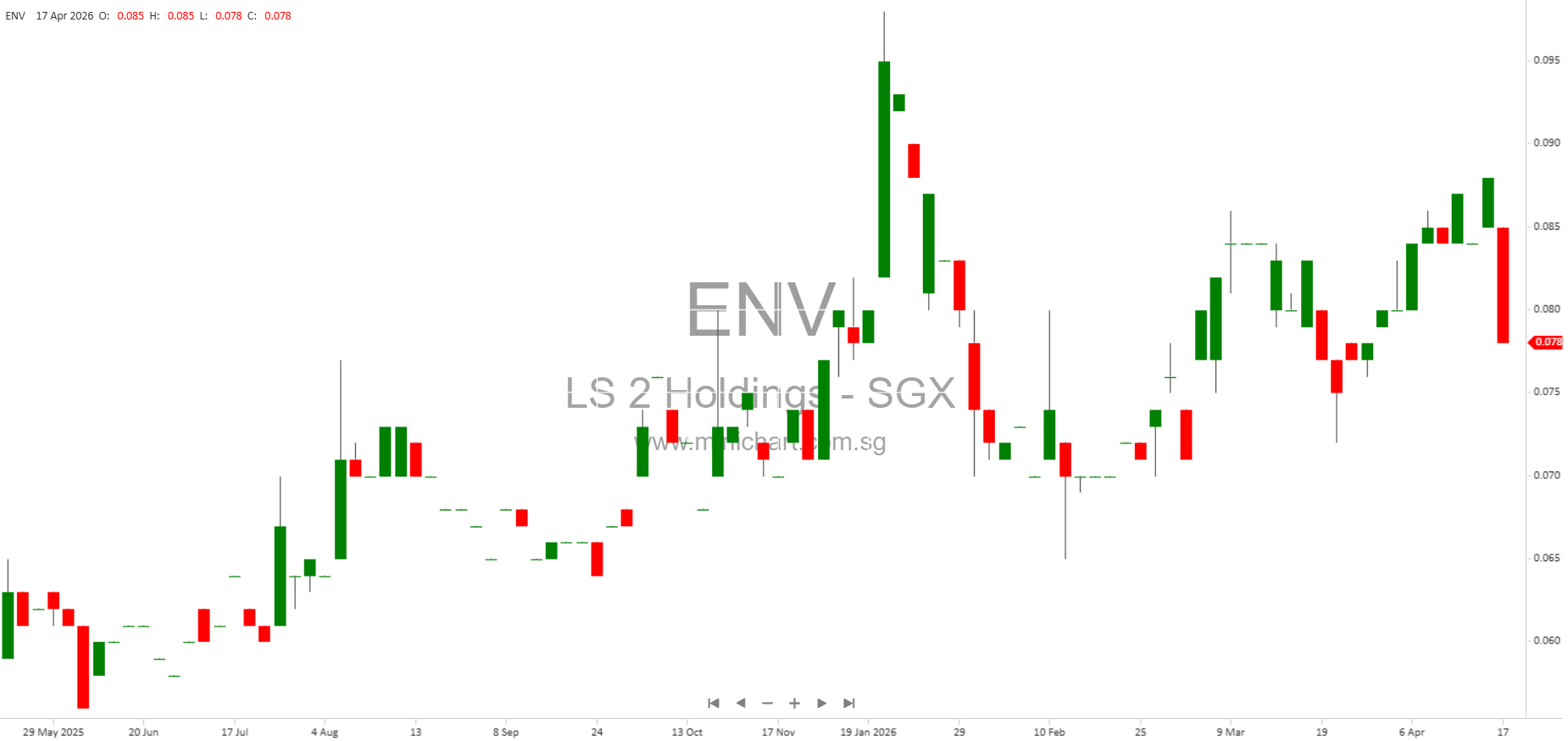
Shareholder Impact: The removal of PWCS grants after 2029 could be price-sensitive, as it will directly lower reported earnings. Investors should monitor whether LS2 can maintain profitability post-subsidy, especially as grant income currently constitutes a sizable proportion of net profits.
Workforce Coverage and Productivity Initiatives
- PWCS Coverage: About 62% of LS2’s 1,832 employees (approximately 1,150) are local cleaners covered under PWM.
- Productivity Initiatives: Management is actively preparing for the scheme’s end by investing in:
- Advanced cleaning equipment (mechanisation)
- Digital workforce management systems to optimise scheduling and reduce idle time
- Upskilling and multi-skilling programmes to increase labour flexibility and efficiency
These measures are intended to offset rising labour costs and support margin stability.
Potential Share Price Impact: If LS2 successfully mitigates increased labour costs through productivity gains, the negative impact from grant removal could be limited. However, failure to do so may pressure margins and profitability, affecting share value.
Outcome-Based Contracting and Technology Integration
LS2 has shifted to outcome-based contracting across public and private sector contracts, focusing on measurable service outcomes rather than prescriptive manpower deployment.
- Automation & Robotics: LS2 continues to rely on manpower but has reduced dependence via technology and mechanisation, including collaborative robots and exoskeletons to support ageing workers.
- Operational Benefits: Automation has delivered reduced manual intensity, improved consistency, service quality, and productivity, as well as better tracking and scalability.
- Limitations: Human intervention remains necessary for complex, judgment-intensive tasks. There are also challenges with upfront investment, system integration, and ongoing maintenance.
- Hybrid Approach: LS2 calibrates the balance between robotics and human labour by assessing task complexity, cost-effectiveness, and risk. Standardised, repetitive processes are automated, while flexible, customer-facing roles stay manpower-driven.
Shareholder Considerations: LS2’s ongoing investment in technology could enhance long-term competitiveness, but the capital outlay and integration risks may impact earnings and cash flow. The success or failure of these initiatives could be price-sensitive.
Artificial Intelligence Strategy
- Current Status: LS2 has not yet implemented AI in its operations but is conducting feasibility studies.
- Planned Approach: A strong foundational platform—standardised processes, reliable data, and integrated digital systems—is being developed before AI adoption.
- Potential Use Cases: Workflow optimisation, predictive maintenance, resource planning, and service quality monitoring are under evaluation.
Investor Takeaway: Successful AI integration could provide operational leverage and cost savings, potentially boosting share value. Investors should remain alert to developments in this area.
Board Composition, Diversity, and Succession Planning
- Current Board: Five directors, including three independent directors appointed on 2 December 2021.
- Board Diversity: The Nominating Committee (NC) has conducted periodic reviews to ensure a mix of experience, expertise, and industry knowledge. No new appointments were made specifically for diversity, but the NC remains vigilant about skill, experience, gender, and perspective diversity.
- Competency Matrix: The NC uses a structured process to identify and evaluate potential candidates, reviewing board composition regularly to ensure alignment with evolving business needs.
- Succession Planning: All three independent directors will reach the nine-year tenure limit at the same time. The board has not yet formulated a phased renewal plan but is mindful of succession and renewal needs for future continuity.
Shareholder Impact: Lack of immediate succession planning for independent directors could raise governance concerns and affect institutional stability. Investors should monitor future board changes, which may influence share value, especially if new directors bring significant expertise or if a sudden renewal disrupts continuity.
Summary and Potential Price-Sensitive Issues
- The scheduled end of PWCS grants is likely to moderate earnings post-2029.
- LS2’s ability to sustain margins via productivity initiatives and technology integration is crucial.
- Future AI adoption could be a significant value driver.
- Board succession and diversity practices may affect governance ratings and investor confidence.
Investors should monitor:
- Updates on productivity measures and technology integration
- Progress in AI feasibility studies and implementation
- Any changes in grant income or labour cost structure
- Board renewal and succession planning announcements
Disclaimer: This article is for informational purposes only and does not constitute investment advice. Investors should conduct their own due diligence and consult with professional advisors before making investment decisions. The information is based on company disclosures as of 19 April 2026 and may be subject to change.