Semrush Holdings, Inc. Files Amended 10-K/A: Key Insights for Investors
Summary of the Filing
On April 17, 2026, Semrush Holdings, Inc. (NYSE: SEMR) filed an Amendment No. 1 to its Annual Report on Form 10-K for the fiscal year ended December 31, 2025. This amendment was issued because the company did not file its definitive proxy statement within 120 days of fiscal year-end, and thus was required to include certain Part III information in the 10-K/A filing.
Key Highlights Investors Must Know
- Amendment Focus: The amendment solely updates Part III of the previous 10-K, which covers directors, executive officers, corporate governance, executive compensation, security ownership, and related party transactions. No financial statements or updates to prior financials are included in this amendment.
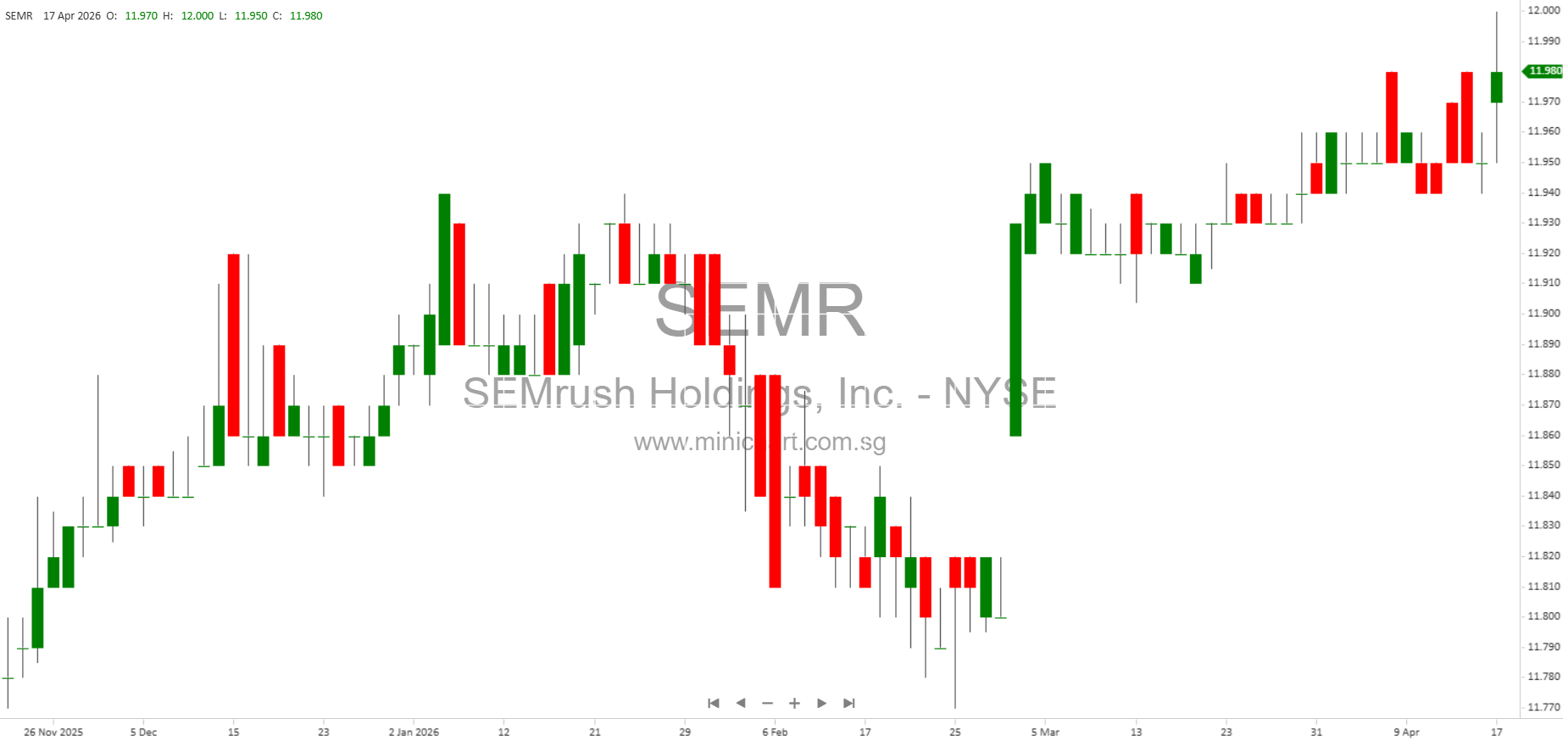
- Market Capitalization & Share Structure: As of June 30, 2025, the aggregate market value of stock held by non-affiliates was approximately \$562.7 million, based on a share price of \$9.05. As of April 7, 2026, there were 130,560,924 shares of Class A Common Stock and 20,619,818 shares of Class B Common Stock outstanding.
-
Corporate Governance & Board Structure:
- The board includes a majority of independent directors, with only three directors (Messrs. Wagner, Shchegolev, and Melnikov) not qualifying as “independent” under NYSE standards.
- The company maintains robust committee structures, including audit and talent & compensation committees. Audit committee financial experts are in place.
-
Executive Compensation:
- Semrush emphasizes a pay-for-performance model, aligning executive rewards with shareholder returns. Compensation includes a mix of base salary, short- and long-term incentives, and equity awards with performance criteria.
- For 2025, executive bonuses had maximum cap payouts (200% of target), and the company followed a structured approach based on ARR, Adjusted EBITDA margin, and individual objectives.
- Significant equity grants were awarded to key executives, including performance-based stock units (PSUs) with vesting tied to total shareholder return (TSR) relative to a designated peer group.
- Clawback, anti-hedging, and anti-pledging policies are in place. There are no golden parachute excise tax gross-ups or broad perquisites.
-
Corporate Policies & Compliance:
- The company maintains strict policies on insider trading, anti-hedging, and anti-pledging. No equity awards to executives were granted around earnings releases or major public disclosures in 2025.
- The company’s Compensation Recovery Policy (clawback) requires executives to repay excess incentive compensation in the event of a material restatement due to misconduct.
- All Section 16(a) reports were timely, except for a single late Form 4 filing per five insiders.
- Succession Planning and Indemnification: Regular executive succession planning and indemnification agreements for directors and officers are in place.
- No New Financials or Restatements: The amendment does not include or restate any financial statements. There are no corrections of prior financial errors or new risk factor disclosures.
Potential Share Price Sensitivities
- No material financial restatements or corrections: The amendment is strictly administrative, triggered by the late filing of the proxy statement. There are no new disclosures of financial errors, fraud, or material weaknesses in internal controls. This suggests no negative financial surprises for investors.
- Executive Compensation Structure and Peer Benchmarking: The details provided reaffirm a strong alignment between executive incentives and shareholder value. Large performance-based equity grants, clawback policies, and the absence of egregious perquisites or golden parachutes may be viewed positively by governance-focused investors.
- Governance and Compliance: The company’s proactive stance on compliance, insider trading, and compensation recovery minimizes potential governance risks.
Conclusion
Investor Takeaway: The 10-K/A amendment by Semrush Holdings, Inc. is largely procedural, ensuring regulatory compliance after a delay in proxy statement filing. The company maintains strong governance, robust executive compensation policies, and demonstrates transparency in its board and committee structures. There are no new material adverse disclosures, restatements, or risk factors, suggesting a neutral-to-positive signal for investors focused on governance and compensation alignment.
No price-sensitive events or material changes have been disclosed in this amendment that would be expected to directly impact share value in the immediate term.
Disclaimer: This article is for informational purposes only and does not constitute investment advice. Readers should review the full SEC filing and consult with their financial advisors before making investment decisions. The information above is based on the company’s public filings and may not reflect the most current information about Semrush Holdings, Inc.