Puxing Energy 2025 ESG Report: In-Depth Analysis & Key Investor Highlights
Comprehensive ESG Progress and Forward-Looking Strategies
Puxing Energy Limited has released its 2025 Environmental, Social, and Governance (ESG) Report, marking the company’s tenth consecutive year of ESG disclosures. The report provides extensive details on the Group’s sustainable development philosophy, ESG policies and initiatives, stakeholder engagement, and progress over the reporting period. Below is a detailed analysis, with an emphasis on areas that may have material implications for shareholders and the company’s valuation.
1. ESG Governance and Strategic Alignment
- Governance Structure: The Board oversees ESG strategy, risk management, and performance, and is supported by an ESG working group comprising senior management. This structure is designed to ensure ESG considerations are integrated into all major business decisions.
- Materiality Assessment: The company completed a robust materiality analysis, identifying nine “highly material” ESG issues, including employment and labour management, occupational health and safety, product safety, power supply stability, green energy opportunities, and anti-corruption. These will be the focus of ongoing and future strategy development.
- Risk Identification: The Group has implemented a systematic climate risk and opportunity identification process, with regular database updates and Board-level reporting. This underscores the Group’s readiness for upcoming policy and market changes related to climate and ESG regulations.
2. Environmental Protection and Climate Change Response
-
Emissions & Resource Use:
- Significant Drop in Greenhouse Gas Emissions: Total GHG emissions fell to 104,113 tonnes CO2e, a notable 41.89% decrease from 2024. This is primarily attributed to lower production volumes and improved operational efficiencies.
- Reductions in Energy & Water Consumption: Total energy consumption dropped to 281,752 MWh (from 391,447 MWh in 2024), and water consumption fell to 611,733 m³ (from 915,962 m³). These reductions are significant, potentially lowering operating costs and regulatory risks.
- Waste Management: Hazardous waste generation decreased to 1.6 tonnes (from 2.6 tonnes), and non-hazardous waste to 30.3 tonnes (from 43.4 tonnes).
-
Climate Change and Carbon Market:
- All operating stations are registered on the national carbon market trading platform. However, the policy for natural gas power plants’ full participation in carbon trading is not yet clarified, presenting both risks and potential long-term opportunities depending on future regulatory developments.
- The Group is aligning with China’s “dual carbon” goals, enhancing its risk management framework, and monitoring the financial implications of transition and physical climate risks.
3. Operational Responsibility and Anti-Corruption Measures
- The Group maintains a zero-tolerance stance on corruption and bribery, with a comprehensive anti-corruption policy available publicly. No corruption-related legal cases or complaints were recorded in 2025.
- Supplier ESG due diligence is in effect, with environmental qualifications and anti-corruption practices now part of supplier assessment and re-evaluation.
4. Employee Health, Safety, and Development
- Safety Performance: No work-related fatalities were reported. The Group has implemented extensive safety training, emergency drills, and hazard rectification programs. Notably, Anji Power Plant completed 260 out of 262 identified safety rectification items in 2025.
- Talent Development: Employees are encouraged to pursue external certifications. This year, 14 staff obtained professional qualifications, supporting the Group’s talent pipeline.
5. Community Engagement
- The Group invested RMB 4,396.1 and contributed 39 volunteer hours to 7 public welfare projects, focusing on education, agriculture, environment, and healthcare. While the absolute numbers are modest, community engagement may improve stakeholder relations and local support.
6. Key Data Points and Potential Share Price Sensitivities
- Sharp Emissions and Resource Use Reductions: These improvements may reduce regulatory risks and enhance the company’s profile among ESG-focused investors, potentially resulting in a positive share price impact if maintained or improved further.
- Readiness for Carbon Trading: While policy clarity is lacking, the Group is positioned for China’s evolving carbon market, which may affect future revenue streams and compliance costs.
- Ongoing Safety and Compliance: The absence of major safety incidents and corruption cases reduces legal and reputational risk.
- Materiality of ESG Issues: The company’s focus on issues material to both operations and stakeholders (e.g., supply stability, green energy, anti-corruption) aligns with potential investor concerns and market trends.
7. Risks and Forward-looking Statements
- Climate Transition Risks: The report notes that stricter policy on greenhouse gas limits and carbon trading may increase operating costs and require asset upgrades or early retirement of inefficient assets.
- Physical Risks: Extreme weather could impact operations, but emergency and adaptation measures are in place.
- Policy Uncertainty: The lack of clear carbon market rules for natural gas power plants introduces uncertainty regarding future compliance costs and strategic opportunities.
Conclusion
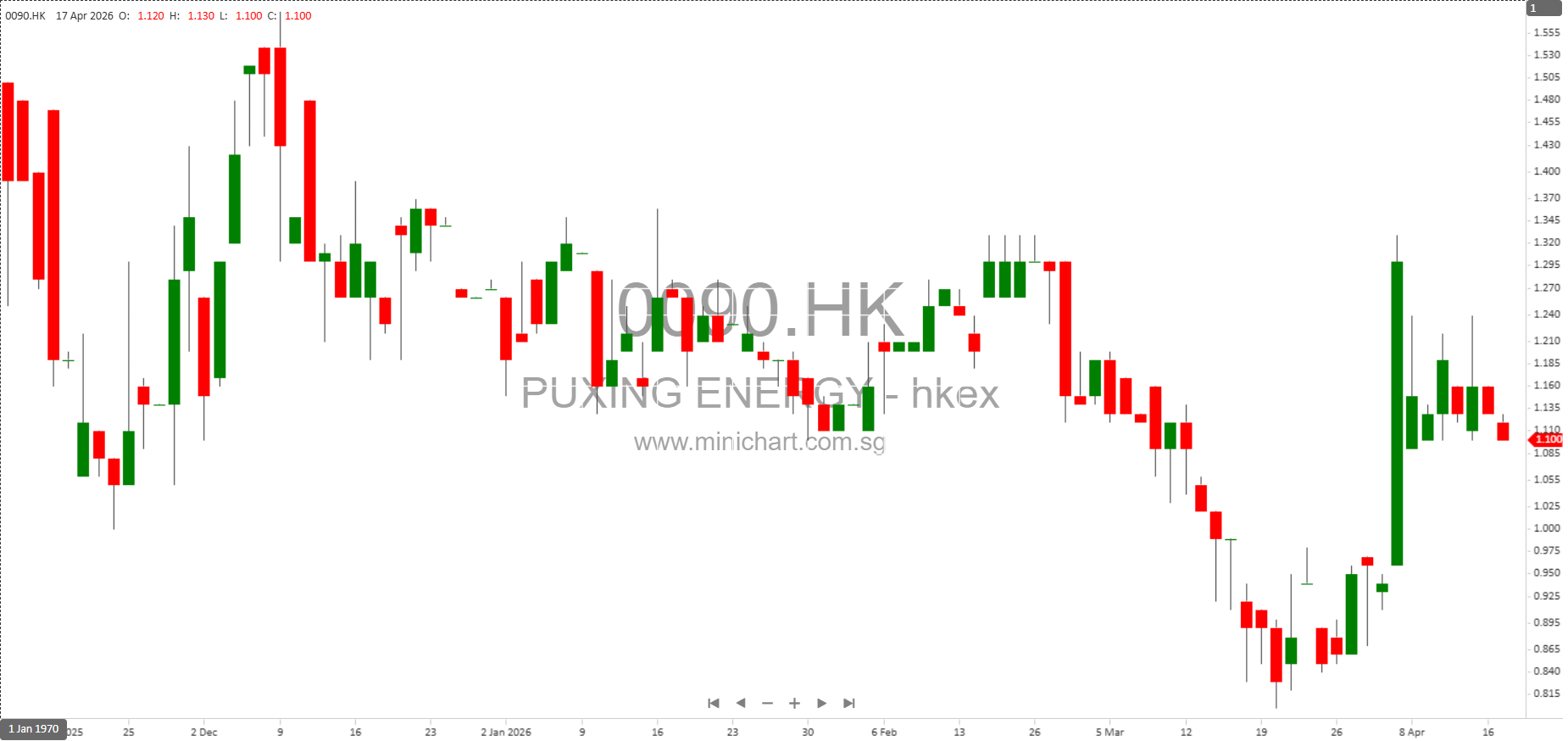
The 2025 ESG Report from Puxing Energy Limited demonstrates substantial progress in environmental performance, governance, and risk management. The marked reduction in emissions and resource consumption, alongside readiness for a low-carbon transition and robust anti-corruption practices, positions the Group well for future regulatory and market developments. Given the tightening of ESG regulations and growing investor focus on sustainable business, these advances may have a positive effect on the Group’s valuation and share price over the medium term. However, policy uncertainty regarding carbon trading and the need for ongoing operational improvements remain key factors for investors to monitor.
Disclaimer: This article is for informational purposes only and does not constitute investment advice. Investors should exercise their own judgment and consult independent financial advisors before making investment decisions. The author assumes no responsibility for any actions taken based on the information provided.