Lakeland Industries, Inc. 2026 Annual 10-K: Key Insights for Investors
Executive Summary
Lakeland Industries, Inc. (“Lakeland,” NASDAQ: LAKE) has released its Annual Report on Form 10-K for the fiscal year ended January 31, 2026. The report highlights the company’s strategic initiatives, global operational footprint, financial compliance, risk factors, and forward-looking strategies. Below, we provide investors with an in-depth look at the most significant disclosures, risks, and developments that could materially affect shareholder value.
Key Highlights and Strategic Focus
- Corporate Mission and Strategy: Lakeland is dedicated to protecting workers, first responders, and communities globally while maximizing shareholder value. Their strategy is built on:
- Fostering a high-performance culture based on corporate values.
- Investing in high-growth geographies and product categories.
- Building a leading global firefighter safety brand through product and marketing enhancements.
- Driving profitable growth in high-end chemical and disposable protective clothing via product innovation, strategic pricing, channel diversification, and operations optimization.
- Pursuing acquisitions that strengthen Lakeland’s competitive position in focus markets.
- Global Operations: Lakeland operates in 16 foreign countries, with more than half of its FY26 net sales generated internationally. The company’s business is organized into seven geographic segments: USA Operations, Other Foreign, Europe, Asia, Canada, and Latin America.
- Product Offerings: Lakeland’s portfolio includes specialized protective clothing, with a focus on high-end chemical, disposable, and firefighter products. The company is actively expanding its intellectual property portfolio, with patents, trade secrets, trademarks, and copyrights.
- Supply Chain & Raw Materials: The company maintains a diversified supplier base for key raw materials (e.g., polypropylene, polyethylene, etc.), qualifying multiple vendors to ensure supply stability and competitive pricing.
- Seasonality: Operations are subject to seasonal fluctuations, but management is focused on mitigating this by targeting less seasonal markets (e.g., clean rooms, electric utilities, fire service).
- Financial Compliance: Lakeland is in full compliance with its filing obligations and has filed all required reports in the past 12 months. The company is classified as a “smaller reporting company” and is not a “well-known seasoned issuer.”
Risks and Factors That May Affect Shareholder Value
1. International Operations and Geopolitical Risk
- More than half of Lakeland’s net sales are from outside the U.S., exposing the company to regulatory, economic, and political risks in foreign countries, especially China and Vietnam.
- Potential disruptions include:
- Unexpected regulatory changes.
- Tariffs and trade tensions, particularly between the U.S. and China, U.S. and Mexico, and Canada.
- Currency volatility, inflation, recession, and ability to repatriate earnings.
- Intellectual property theft and enforcement limitations.
- Difficulty in collecting receivables and complications in complying with conflicting international laws.
- Nationalization, expropriation, and trade embargoes.
- Recent tariff increases (IEEPA tariffs) have directly increased Lakeland’s cost of goods and reduced gross margins, as well as impacted demand and global competitiveness.
2. Supply Chain and Raw Material Risk
- Lakeland’s policy is to maintain multiple suppliers for critical raw materials, but global disruptions or changes in material costs could materially impact production costs and product pricing.
3. Regulatory and Compliance Environment
- The company is subject to a complex web of environmental, health, and safety regulations, which vary by country and are subject to frequent change.
- No current legal proceedings threaten operational curtailment, but regulatory changes or enforcement actions could affect product profitability and market access.
4. Financial Reporting and Corporate Governance
- Lakeland’s independent auditor has not identified any material weaknesses in internal controls over financial reporting.
- No corrections to previously issued financial statements or restatements requiring recovery of executive compensation have occurred.
- As of July 31, 2025, the aggregate market value of voting stock held by non-affiliates was disclosed, with 10,723,256 shares of common stock outstanding as of the filing date.
Shareholder Information and Market-Sensitive Disclosures
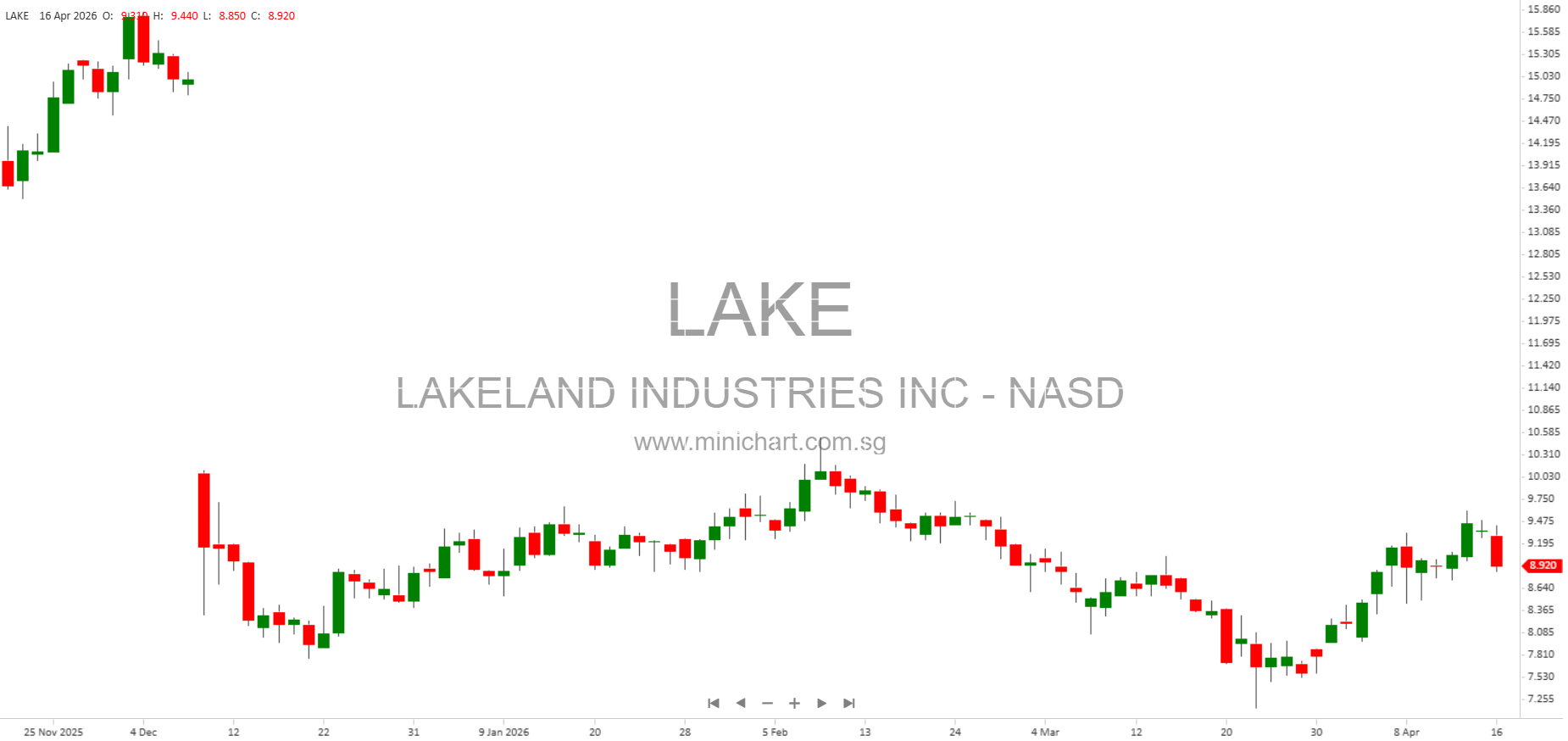
- Exchange Listing: Lakeland’s common stock is traded on NASDAQ under the symbol “LAKE.”
- SEC Filings: All annual, quarterly, and current reports are available on the company’s website and the SEC’s EDGAR system.
- Price-Sensitive Factors:
- Exposure to tariffs and trade policy volatility remains a significant risk for future earnings.
- Any substantial changes in international regulations, supply chain stability, or enforcement actions could materially impact financial results and share price.
- Potential acquisitions are core to Lakeland’s growth strategy and could be material to future performance.
Forward-Looking Statements and Cautionary Note
The report contains forward-looking statements subject to numerous risks and uncertainties, including but not limited to those highlighted in the “Risk Factors” and “Management’s Discussion and Analysis” sections. Actual results may differ materially from those anticipated. Lakeland is under no obligation to update such statements except as required by law.
Conclusion: What Investors Should Watch
- International Risk: Investors should closely monitor trade policy developments, especially U.S.-China relations, and any new tariffs or restrictions that could impact supply chain costs and revenue growth.
- Potential for Acquisitions: The company’s focus on acquisitions as part of its growth strategy could lead to significant changes in market positioning and financial performance.
- Regulatory Changes: Any new environmental or safety regulations, or unexpected compliance issues, could result in higher costs or operational disruptions.
- Currency and Economic Volatility: Economic downturns or major currency fluctuations in key markets could negatively impact Lakeland’s international sales and profitability.
Disclaimer: This article is for informational purposes only and does not constitute investment advice. Investors should review the full Lakeland Industries, Inc. 10-K filing and consult with their own financial advisors before making any investment decisions. Forward-looking statements are subject to risks and uncertainties that could cause actual results to differ materially.