CK Life Sciences 2025 Sustainability Report: Strategic Highlights and Investor Implications
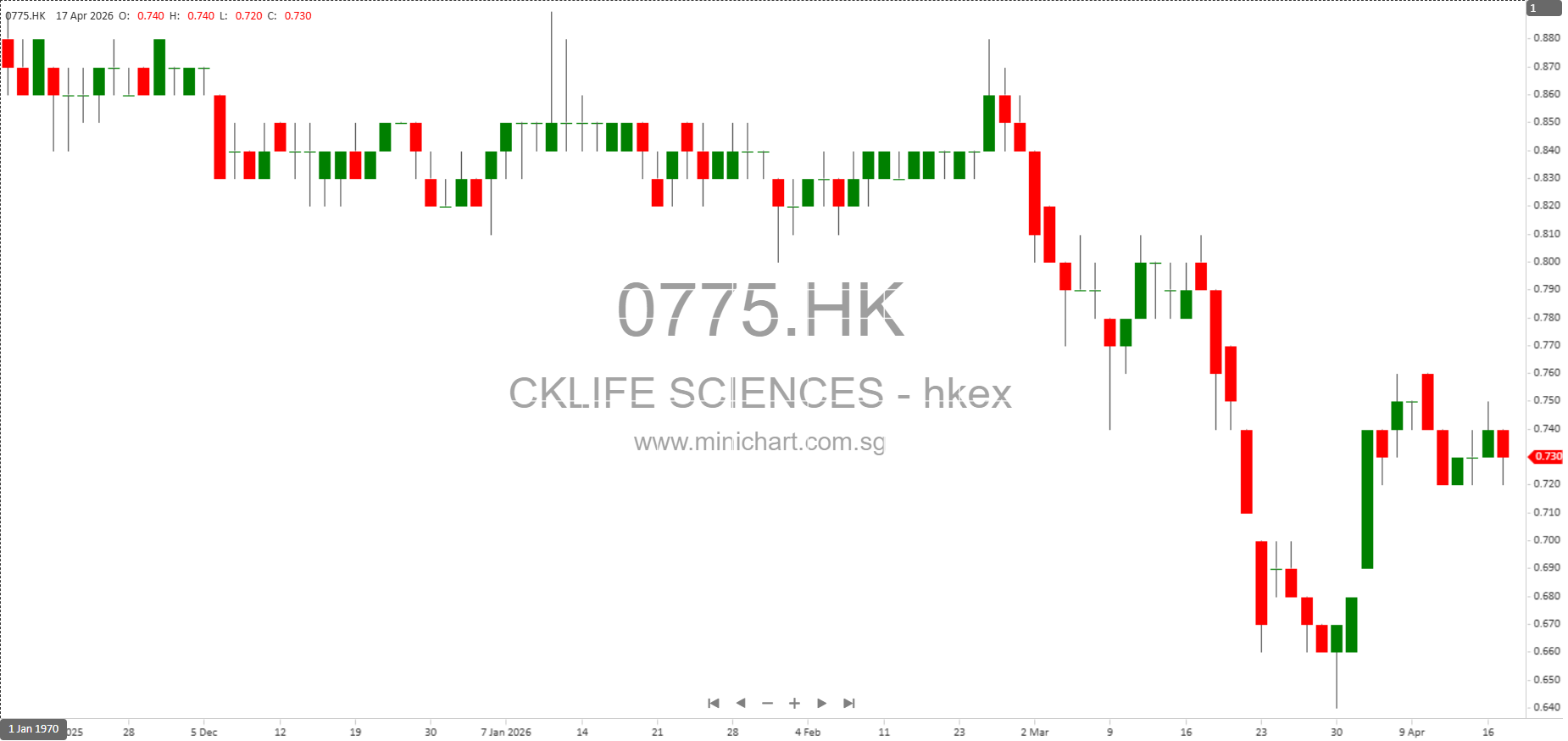
CK Life Sciences Int’l., (Holdings) Inc. (HKEX: 0775) has published its comprehensive 2025 Sustainability Report, outlining significant advancements in environmental, social, and governance (ESG) practices. As a key member of the CK Hutchison Group, CK Life Sciences continues to position itself at the forefront of sustainable life sciences, emphasizing innovation, operational resilience, and stakeholder value creation.
Key Developments and Strategic Initiatives
- Low-Carbon Transition Plan and First Scope 3 Emissions Disclosure: The Group has developed a detailed low-carbon transition plan and, for the first time, disclosed Scope 3 greenhouse gas (GHG) emissions. This move aligns with evolving global regulations and investor expectations, potentially impacting future cost structures and investor sentiment regarding climate risk management.
- Quantified Climate Risk and Opportunity Analysis: With the support of external consultants, CK Life Sciences conducted scenario analyses under Net Zero and Business-as-Usual models, quantifying potential financial impacts of climate-related risks and opportunities. The Group identified water stress and energy transition as key risks, but also sees opportunities in policy incentives and investor interest in green projects.
- Enhanced Enterprise Risk Management (ERM): Climate-related risks and opportunities are now systematically integrated into the Group’s ERM framework, with parallel processes for opportunity identification—a move that could further strengthen operational resilience and risk-adjusted returns.
- Corporate Governance Upgrades: The Group updated its Corporate Governance and Sustainability Policies and achieved 100% directors’ meeting attendance. The Sustainability Committee, chaired by an independent non-executive director, met twice in 2025 to oversee the Group’s ESG strategies and progress.
- Board Remuneration Linked to ESG Metrics: The Remuneration Committee now considers progress on climate and sustainability when assessing executive compensation, directly tying management incentives to ESG outcomes.
- Operational Performance: Revenue-based intensity of Scope 1 and 2 GHG emissions remained stable in 2025 (0.010 tonne CO2e/HK\$’000 revenue), reflecting the effectiveness of energy-saving initiatives. Water consumption decreased 1% year-on-year, and work-related fatalities remained at zero.
- Talent Development and Training: 90.2% of full-time employees received training in 2025, up from 85.7% in 2024—underscoring the Group’s focus on human capital development and operational excellence.
- Supply Chain and Product Responsibility: ESG considerations are now integrated into supplier selection across business units, with active engagement to uphold high standards. The Group received 663 product/service complaints, all addressed according to robust quality assurance protocols.
- Expanded Disclosure Scope: In 2025, the sustainability reporting boundary broadened to cover vineyards and new operating divisions in agriculture, contributing 95% of Group revenue and materially impacting sustainability performance figures.
- Alignment with New Regulatory Standards: The Group adopted the latest HKEX ESG Code (aligned with IFRS S2), positioning itself for compliance with emerging global disclosure mandates and potentially attracting ESG-focused capital.
Potentially Price-Sensitive and Material Information
- Climate Risk Integration and Disclosure: The first-time disclosure of Scope 3 emissions, scenario-based financial risk analyses, and alignment with new regulatory standards are significant upgrades that may influence investor perceptions of CK Life Sciences’ risk profile and future regulatory costs.
- Transition Costs and Policy Exposure: The report highlights potentially higher costs for technology upgrades, renewable energy investments, and compliance with tightening emissions regulations (e.g., New Zealand’s Emissions Trading Scheme). These future costs, if not offset by efficiency gains or policy incentives, could affect margins.
- Operational Resilience and Business Model Evolution: The Group’s scenario analyses show limited short-to-medium-term impact from water stress, but highlight the long-term necessity of decarbonisation investments to maintain competitiveness and regulatory compliance.
- Stakeholder Engagement and Reputation Management: The integration of ESG risks into supplier management and the expansion of reporting scope reflect best practices, which may enhance the Group’s reputation among institutional investors and ESG funds.
- Board and Management Accountability: Enhanced governance, including regular review of ERM and ESG policies, as well as Board-level oversight of climate strategy, reduces governance risk and may support a premium valuation.
Summary of Key Metrics (2025)
- GHG Emissions (Scope 1+2): 164,516 tonnes CO2e
- Water Consumption: 3,429,000 m3 (1% YoY reduction)
- Employee Training Rate: 90.2%
- Work-Related Fatalities: 0
- Product/Service Complaints: 663 (all addressed)
- Director Meeting Attendance: 100%
- Hazardous Waste Produced: 2,180 tonnes
- Non-Hazardous Waste Produced: 26,882 tonnes
- Total Packaging Material Used: 9,123 tonnes
Investor Takeaways
CK Life Sciences’ 2025 Sustainability Report signals a step-change in ESG transparency, risk management, and regulatory alignment. The integration of Scope 3 emissions, scenario-based financial analysis, and Board-level accountability for climate strategy may positively influence the Group’s risk-adjusted profile and appeal to ESG-focused investors. However, increasing transition costs and regulatory demands could impact profitability if not matched by operational efficiencies or incentives. The Group’s strong governance, proactive risk management, and alignment with international ESG frameworks position it to capture both sustainability-linked opportunities and mitigate emerging risks.
Disclaimer: This article is for informational purposes only and does not constitute investment advice or a recommendation to buy or sell any securities. Investors should conduct their own analysis and consult professional advisors before making investment decisions.