Drugs Made In America Acquisition Corp. (DMAA) Annual Report: Detailed Investor Insights
Key Points for Investors
- Company Structure: DMAA is a blank check company (SPAC) incorporated in the Cayman Islands, formed to pursue mergers or acquisitions, with no current operations or revenues.
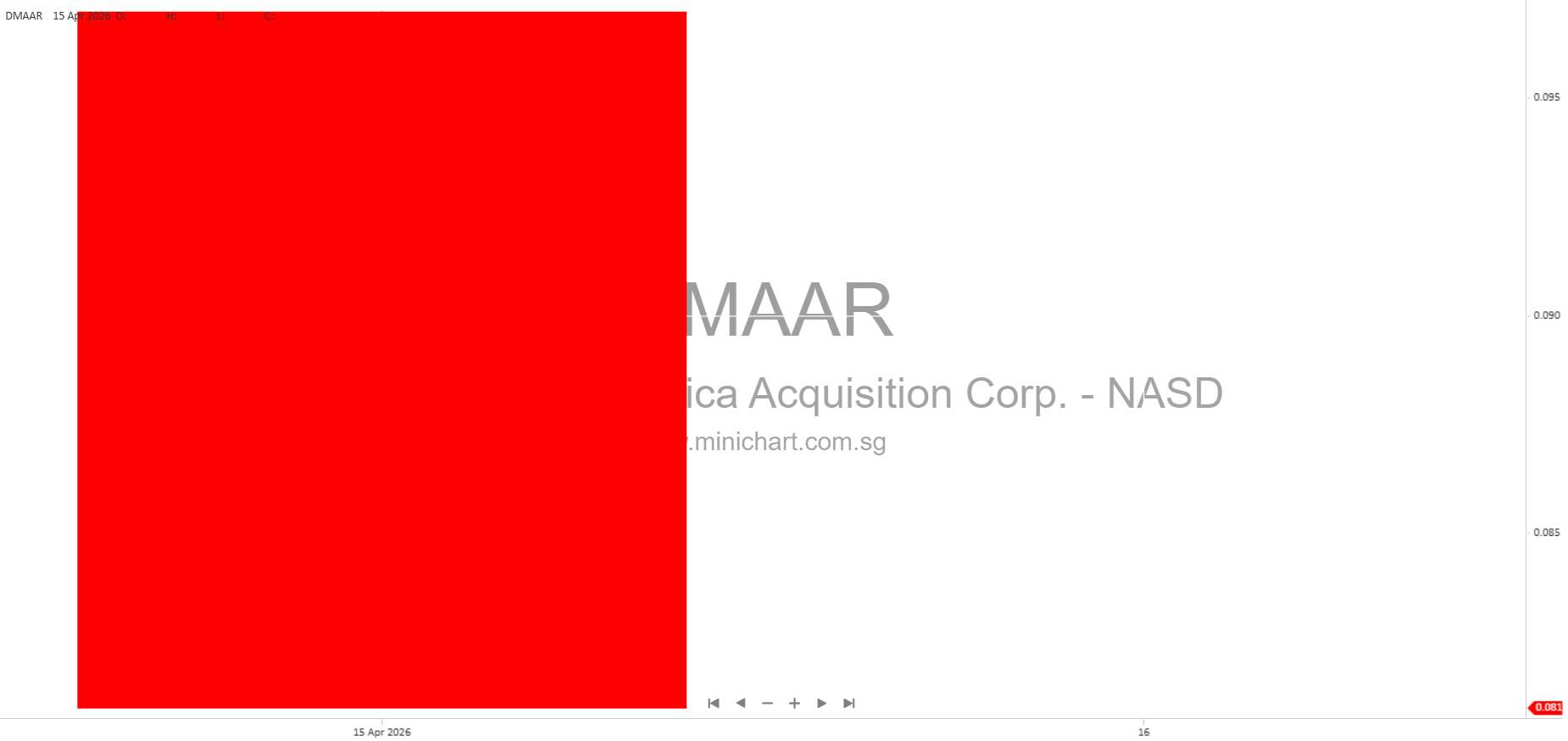
- Public Listing & Securities: DMAA is traded on Nasdaq under symbols DMAA (Ordinary Shares), DMAAU (Units), and DMAAR (Rights). As of April 15, 2026, there are 33,717,143 ordinary shares outstanding.
- Strategic Focus: The firm targets acquisitions in high-growth sectors, especially those related to pharmaceuticals, AI, or industries needing rapid innovation.
- Business Model & Investment Criteria: DMAA seeks companies with proven leadership, defensible business models, multiple growth avenues, sustainable financial profiles, and compelling value propositions.
- Going Concern Warning: As of December 31, 2025, DMAA had only \$6,137 in cash and a working capital deficit of \$363,981, raising substantial doubt about its ability to continue as a going concern if a business combination is not completed in time.
- Governance & Compliance: DMAA has adopted a Code of Conduct, insider trading policy, and compensation recovery policy, but has material weaknesses in internal controls due to limited personnel and lack of procedures.
- Redemption and Liquidation: If DMAA fails to complete a business combination by the deadline, it must liquidate and return funds to public shareholders, which could materially affect share value.
- Audit & Financial Controls: The company’s audit committee is in place, but management identified material weaknesses in internal controls, specifically inadequate segregation of duties and insufficient policies.
- Dividend Policy: No cash dividends have been paid or are expected prior to a business combination.
- Market Risk: Proceeds are invested in short-term US Treasury obligations or money market funds, minimizing interest rate risk.
Details Shareholders Must Note
1. Company Status and Business Model
DMAA is a Special Purpose Acquisition Company (SPAC) with a mandate to effectuate mergers, share exchanges, asset acquisitions, or similar business combinations with one or more businesses. As of the report date, DMAA has no active operations, employs minimal staff, and its assets consist almost entirely of cash. The company is classified as a “shell company” under SEC rules.
2. Current Financial Position
As of December 31, 2025, DMAA’s cash position is critically low (\$6,137), with a working capital deficit of \$363,981. The company expects significant professional and transaction costs to be incurred in the pursuit of an initial business combination. If DMAA cannot complete a business combination within the prescribed time, it will cease all operations except for liquidation. This is a significant risk to shareholders, as failure to close a deal would result in liquidation at a per-share price that may differ from market value.
3. Investment and Acquisition Strategy
DMAA’s management is seeking targets with the following characteristics:
- Proven Industry Leadership: Targeting businesses with top-line growth or benefiting from secular tailwinds.
- Defensible, Established Models: Focusing on companies with competitive advantages and fundamentally sound recovery prospects.
- Multiple Growth Avenues: Looking for targets with long-term growth prospects.
- Sustainable Financials: Favours companies generating stable free cash flow, not reliant on high leverage.
- Compelling Value Proposition: Seeking businesses underperforming their sector but with potential for risk-adjusted returns.
- Ready for Public Markets: Prefers companies that will benefit from going public and accessing new capital.
The list is non-exclusive, and DMAA may pursue targets outside these criteria, with full disclosure to shareholders if so.
4. Shareholder Rights and Redemption
If a shareholder vote is not required or not held for legal reasons, DMAA will make a tender offer to redeem public shares prior to completing a business combination. If no deal is made within the deadline, DMAA will liquidate and return trust account funds to public shareholders.
5. Governance, Controls, and Risks
- DMAA’s audit committee is in place, with a designated financial expert. The audit committee oversees financial reporting, auditor independence, related party transactions, and material legal or regulatory matters.
- The company reports material weaknesses in internal controls: inadequate segregation of duties, insufficient written policies and procedures, and no formal related party transaction review process.
- DMAA intends to remediate these weaknesses by expanding the board and consulting additional professionals after closing a business combination.
- No changes in internal controls were made during the fourth quarter of the fiscal year.
6. Market & Dividend Information
- DMAA’s shares, units, and rights trade on Nasdaq (DMAA, DMAAU, DMAAR).
- No cash dividends have been paid or are planned before a business combination.
- No equity compensation plans or unregistered sales of securities have occurred since IPO.
- Trust funds are held in low-risk US Treasury obligations or money market funds, minimizing interest rate risk.
7. Regulatory and Compliance Developments
- DMAA has adopted a Code of Conduct, a compensation recovery (clawback) policy in line with Nasdaq and Dodd-Frank, and an insider trading policy for directors, officers, and employees.
- DMAA’s CEO and CFO did not file their SEC Form 3s in a timely manner.
Potentially Price-Sensitive Developments
- The most significant risk and price-sensitive information is the company’s going concern warning. If DMAA fails to complete a business combination, it will liquidate, likely impacting the share price as investors may only recoup the trust account value per share, which may be below market price.
- Material weaknesses in internal controls and late filings by management could impact investor confidence and regulatory standing.
- DMAA’s acquisition strategy, if successful and a high-profile target is announced, could significantly move the share price upward. Conversely, delays or failure to secure a deal could move shares sharply lower.