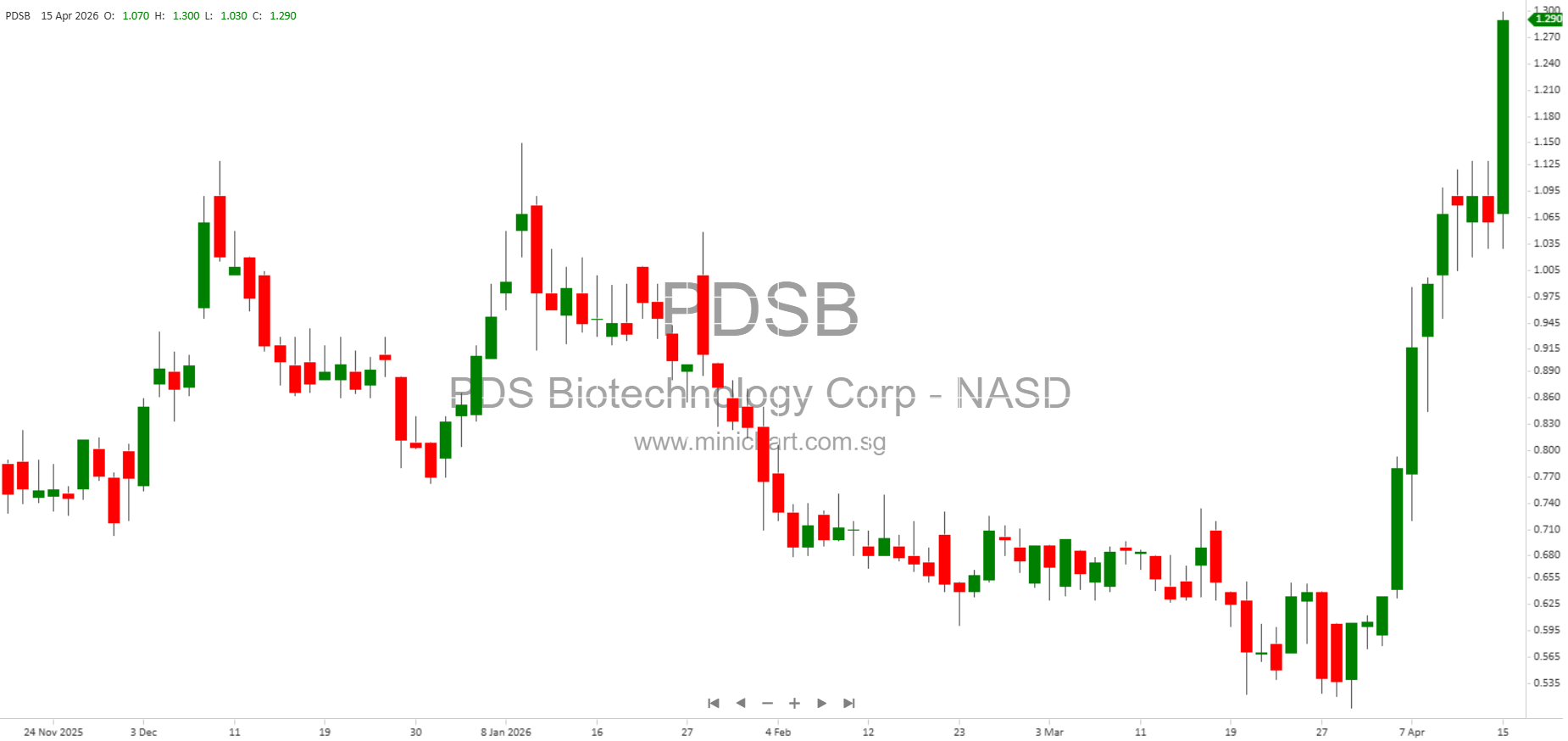
PDS Biotechnology Announces Compelling Interim Phase 2 Data for PDS01ADC in Metastatic Colorectal Cancer
Key Highlights
- Breakthrough Efficacy: PDS01ADC, a tumor-targeted IL-12 immunocytokine, demonstrated a 77.8% objective response rate (ORR) at six months in Stage 1 of a National Cancer Institute (NCI)-led Phase 2 trial in patients with unresectable, microsatellite stable (MSS) or mismatch repair-proficient (pMMR) metastatic colorectal cancer (mCRC) with liver metastases. This is in stark contrast to a parallel trial without PDS01ADC, which showed only a 35% ORR.
- Impressive Survival Outcomes: The 2-year survival rate exceeded 80% in the PDS01ADC cohort, versus approximately 35-40% in the parallel control group.
- Durable Disease Control: Median extrahepatic progression-free survival (PFS) was not reached at a minimum follow-up of 13.1 months with PDS01ADC, compared to 8.1 months in the control group.
- Distinct Patient Population: The trial targeted MSS/pMMR mCRC patients, a population that represents the majority of colorectal cancer cases and has historically shown minimal response to immune checkpoint inhibitors.
- Clinical Publication: These interim results are peer-reviewed and published in the March 10, 2026 issue of JCO Oncology Advances, lending credibility to the findings.
Clinical Trial Details
The ongoing open-label, single-center, non-randomized Phase 2 trial employs a Simon two-stage design and includes three disease cohorts: metastatic colorectal cancer, cholangiocarcinoma, and adrenocortical cancer. The reported data are from the mCRC cohort (N=9 patients in Stage 1, out of a planned 22).
Patients included in the study had failed at least one prior line of systemic chemotherapy. The investigational treatment involved subcutaneous administration of PDS01ADC combined with hepatic artery infusion pump (HAIP) delivery of floxuridine (FUDR), a regional chemotherapy technique.
Notably, the trial is led by Dr. Jonathan Hernandez at the NCI, NIH, further associating the program with a leading cancer research institution.
Potential Price-Sensitive Information for Shareholders
- Significant Clinical Differentiation: The magnitude of response and survival benefit in a highly refractory MSS/pMMR mCRC population is unprecedented, as immune checkpoint inhibitors have failed in 95% of these patients. This could position PDS01ADC as a potential first-in-class, practice-changing therapy.
- Regulatory and Competitive Landscape: HAIP was FDA-approved in 2024 and is gaining traction at leading oncology centers. The combination with PDS01ADC could set a new standard for this patient population.
- Platform Validation: PDS01ADC’s targeted delivery limits systemic IL-12 exposure, potentially avoiding the toxicities that have previously limited recombinant cytokine therapies. The molecule leverages the NHS76 antibody, which binds to exposed DNA in areas of tumor cell death, focusing immune activation precisely at the tumor site.
- Pipeline Implications: These results may have positive read-throughs for PDS Biotechnology’s broader portfolio, including its lead program (PDS0101 in HPV16-positive head and neck cancers) and multiple ongoing Phase 2 trials evaluating PDS01ADC in combination with other standard-of-care regimens.
- Published Mechanistic Insights: Clinical biomarker data support that PDS01ADC promotes expansion of stem-like and memory T cells, activation of potent natural killer cell subsets, and inhibition of immune-suppressive cells in the tumor microenvironment. These mechanisms may underpin the durable responses observed.
- Unmet Need & Market Opportunity: Colorectal cancer is the second leading cause of cancer death in the US, with over 150,000 new diagnoses and nearly 2 million deaths globally each year. Approximately 45% of patients ultimately develop metastatic disease, underscoring the high commercial potential for a successful therapy in this setting.
- Forward-Looking Statements: The company cautions that the results are interim, from an early-stage, non-randomized trial with a small sample size and no head-to-head comparator. However, the magnitude of benefit and published peer-review lend significant credibility to the findings.
- Potential Catalysts: Further updates from the ongoing Phase 2 program, initiation of pivotal studies, and regulatory interactions could act as future share price catalysts.
About PDS Biotechnology and PDS01ADC
PDS Biotechnology is a late-stage immunotherapy company aiming to transform the treatment landscape for cancer by precisely leveraging the immune system. PDS01ADC is a tumor-targeted immunocytokine delivering IL-12 specifically to tumor sites, thereby maximizing anti-tumor immune responses while reducing systemic toxicity. The company’s pipeline includes pivotal and Phase 2 trials across several solid tumor indications, often in combination with standard-of-care and immune checkpoint inhibitors.
Investor and Media Contacts
- Investor Contact: Mike Moyer, LifeSci Advisors, [email protected], +1 (617) 308-4306
- Media Contact: Jude Gorman / Kiki Torpey, Collected Strategies, [email protected]
Disclaimer
This article includes forward-looking statements based on currently available information and management’s assumptions. Actual results may differ materially due to various risks and uncertainties, including but not limited to clinical development risks, regulatory outcomes, financial considerations, and market competition. Investors should review all company filings and consult with their financial advisors before making investment decisions. The company undertakes no obligation to update these statements except as required by law.