Jushi Holdings Inc. Files 10-K/A Amendment: Important Updates for Shareholders
Overview
Jushi Holdings Inc., a multi-state cannabis operator, has filed Amendment No. 1 to its Annual Report on Form 10-K/A for the fiscal year ended December 31, 2025. This amendment supplies previously omitted information required by Items 10 through 14 of Part III of the Annual Report, specifically relating to the company’s directors, executive officers, corporate governance, executive compensation, security ownership, and related party transactions.
Key Points and Potentially Price-Sensitive Disclosures
- Public Float and Shares Outstanding: As of June 30, 2025, Jushi’s aggregate market value of outstanding subordinate voting shares held by non-affiliates was approximately \$59.4 million. As of April 13, 2026, there were 199,696,597 subordinate voting shares outstanding. There are no multiple voting shares, super voting shares, or preferred shares outstanding.
- Filing Status: The company is classified as a non-accelerated filer, a smaller reporting company, and an emerging growth company. Jushi is not a well-known seasoned issuer and does not consider itself a shell company.
- Corporate Governance Updates:
- The Audit Committee and Compensation Committee charters are available on the company’s website and detail their oversight responsibilities, including the review of financial statements, assessment of internal controls, and monitoring of external auditors.
- Jushi has adopted insider trading and anti-hedging/anti-pledging policies designed to comply with federal securities laws and to prohibit directors, officers, and employees from trading while in possession of material non-public information.
- Executive Compensation:
- The company follows an executive compensation philosophy aimed at aligning management incentives with long-term shareholder value creation, including a mix of base salary, equity incentives, and performance-based pay.
- As an emerging growth company and smaller reporting company, Jushi complies with the less extensive executive compensation disclosure requirements applicable under the Securities Act.
- Outstanding equity awards and executive compensation details are disclosed, with options granted under the 2019 Equity Incentive Plan.
- Security Ownership:
- The largest beneficial owner is Denis Arsenault (Cheltenham, UK) with 23,380,182 shares (10.85% ownership).
- Marex Securities Products, Inc. (New York, U.S.) holds 10,000,000 shares (5.01%).
- All directors and executive officers as a group hold approximately 23.13% of the outstanding subordinate voting shares.
- Related Party Transactions:
- The amendment discloses that, since January 1, 2025, there have not been transactions between the company and related parties exceeding \$120,000, except as noted in the section regarding the sale of Second Lien Notes and Warrants.
- In 2025, a special committee of independent directors was formed to review refinancing options and negotiate the CEO Employment Agreement, highlighting increased board oversight of significant transactions.
- The company intends to adopt formal related party transaction review policies in the future.
- Legal and Regulatory Compliance:
- Jushi is subject to requirements under Canadian Multilateral Instrument 61-101 for protection of minority shareholders in special transactions.
- No executive officer or director has become bankrupt or been subject to insolvency proceedings in the last ten years.
- Audit and Fees:
- Audit, tax, and other fees for 2025 are disclosed, with audit fees totaling \$1,704,000.
- The Audit Committee pre-approves all audit, audit-related, and non-audit services to ensure independence and compliance.
- No Financial Restatements: The amendment clarifies there are no corrections of errors or restatements that would affect incentive-based compensation recovery.
- No Material Indebtedness: No director or executive officer was indebted to the company, nor did the company guarantee any such indebtedness in the reported period.
Analysis: What Shareholders Should Know
1. Shareholder Concentration and Insider Holdings: The concentration of ownership among a small number of shareholders, with the top two holding over 15% combined, may influence voting outcomes or strategic decisions.
2. Governance and Controls: The company’s adoption of, and commitment to, enhanced corporate governance practices—including insider trading and anti-hedging policies—may improve investor confidence and minimize regulatory risks.
3. No Material Related Party Transactions: The explicit disclosure of limited related party transactions and the formation of a special committee to manage conflicts of interest may reduce concerns about insider dealings.
4. No Pending Material Litigation or Bankruptcy: No bankruptcies, sanctions, or legal proceedings involving directors and officers are reported, which should reassure investors regarding management’s background and integrity.
5. Equity Incentives: Nearly 30 million shares are reserved for equity compensation plans, aligning management and employee interests with shareholders, but may also result in dilution if fully exercised.
6. Filing Status and Reporting: Jushi’s status as a non-accelerated, smaller reporting, and emerging growth company means less stringent reporting requirements and possibly lower compliance costs, but also may mean less analyst coverage and less visibility among institutional investors.
Potential Impacts on Share Value
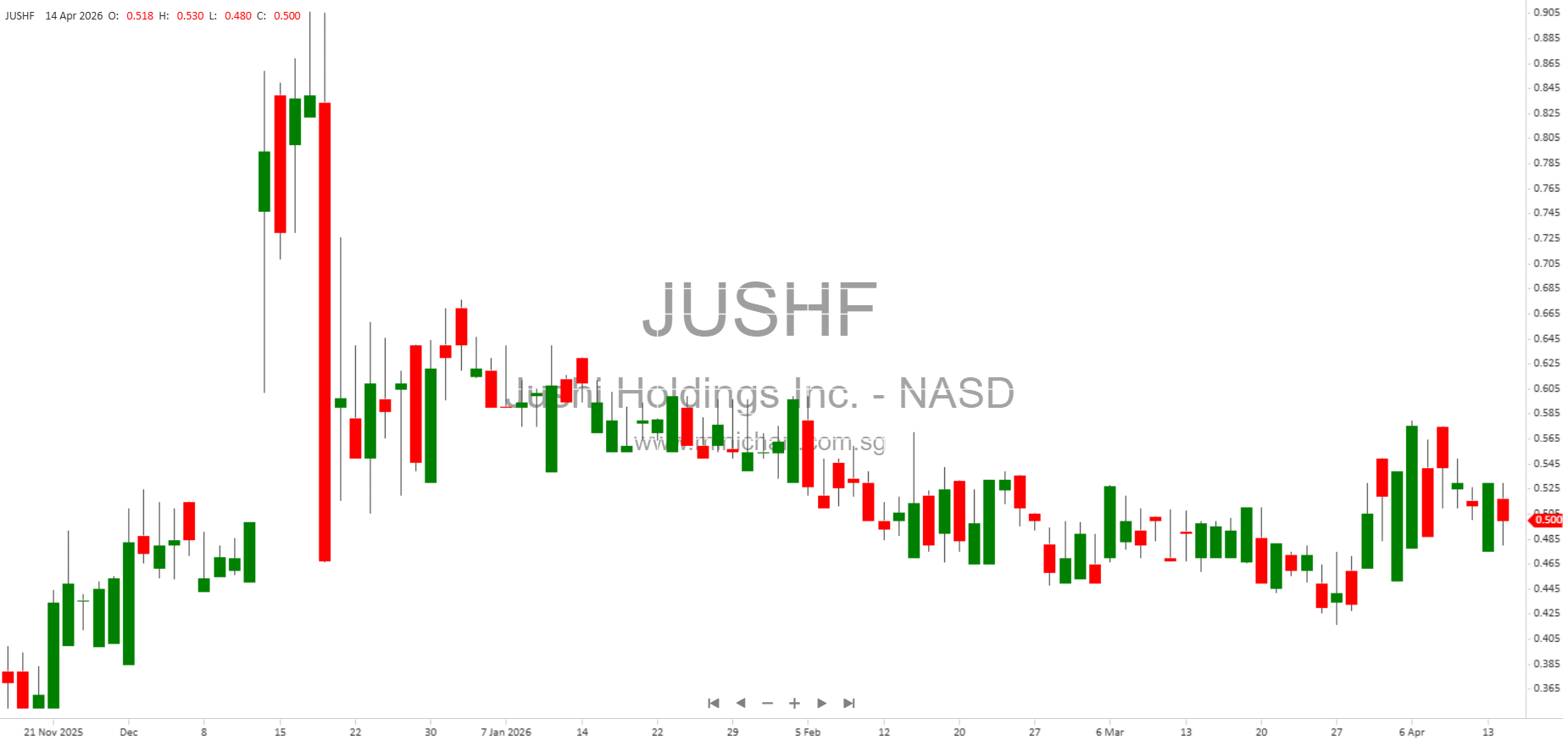
- The absence of new material related party transactions and the adoption of stronger governance policies may be viewed positively by investors, enhancing trust and potentially supporting share value.
- The significant insider and large shareholder ownership could increase volatility or impact corporate actions depending on their future decisions.
- No restatements or corrections to financial statements indicate operational and accounting stability, reducing risks of negative surprises.
- Continued focus on equity incentives could both align interests and pose dilution risks over time.
Conclusion
The 10-K/A amendment from Jushi Holdings Inc. does not introduce material new risks or negative surprises, but highlights ongoing improvements in governance and transparency. The continued absence of material related party transactions, legal proceedings, or financial restatements, combined with increased board oversight, is generally favorable for investor confidence. However, shareholders should remain aware of the concentrated ownership structure and potential dilution from equity compensation plans.
Disclaimer: This article is for informational purposes only and does not constitute financial advice or a recommendation to buy or sell any securities. Investors should conduct their own due diligence and consult with a qualified financial advisor before making investment decisions. The information is based on the latest available company filings as of April 2026 and may be subject to change.