Picard Medical, Inc. Enters into Convertible Note Purchase Agreement with Quick Capital, LLC
Key Developments and Shareholder Implications
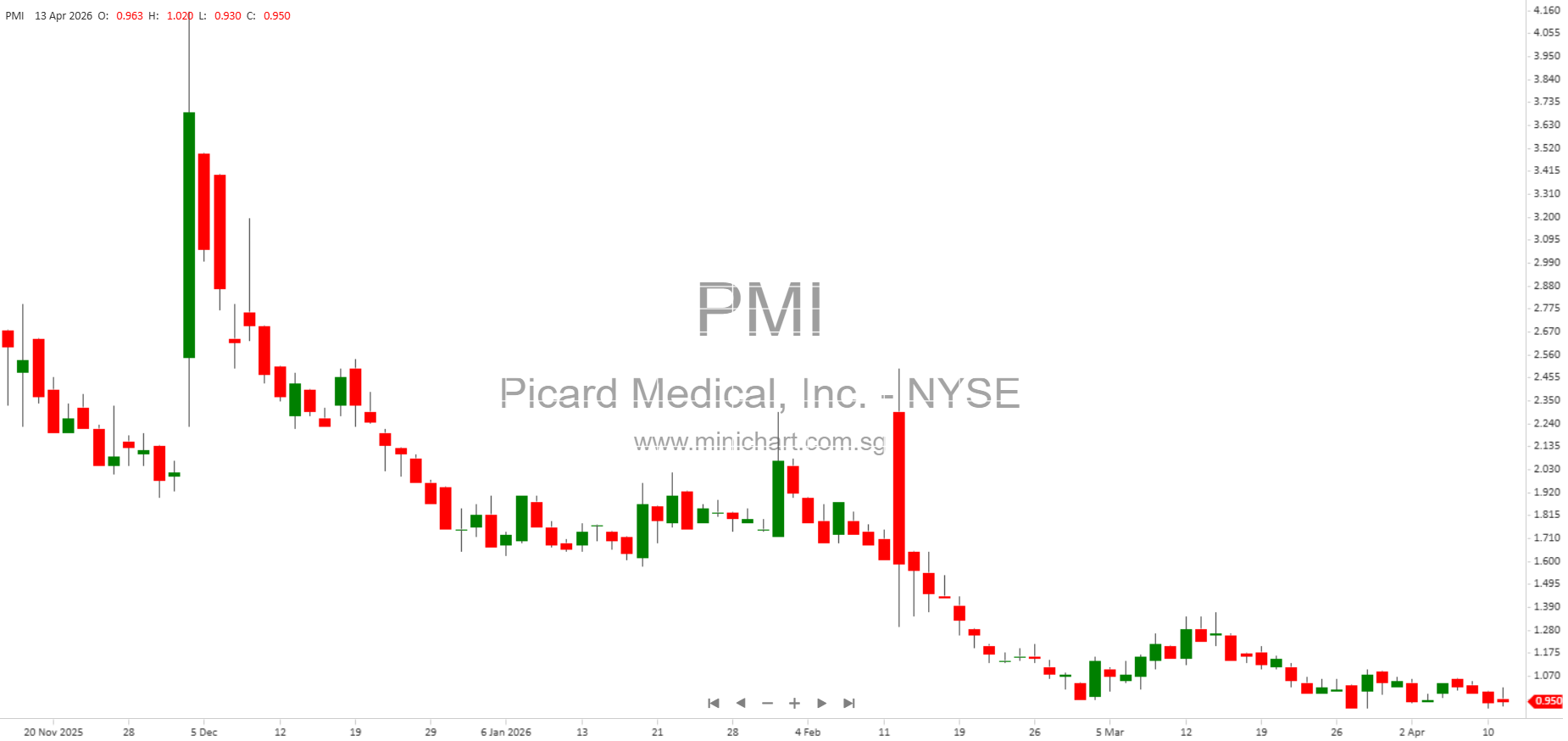
Picard Medical, Inc. (“PMI”), a company listed on NYSE American under the ticker PMI, has filed a Form 8-K announcing a significant financing transaction that may materially impact the company’s capital structure, share price, and the interests of current shareholders.
Main Highlights of the Transaction
- Convertible Note Issued: PMI has entered into a Securities Purchase Agreement with Quick Capital, LLC for the sale and issuance of a convertible promissory note with a face amount of \$555,555.56, with the actual funded amount being \$500,000.
- Conversion Feature: The Note is convertible into shares of common stock of the Company at terms specified in the agreement, which may result in significant dilution to existing shareholders if converted.
- Origination Shares: The Buyer will also receive “Origination Shares” as part of the agreement, the number of which is set forth in the Issuance Schedule. These shares will be included for resale registration rights.
- Exemption from Registration: The securities (Note, Origination Shares, and underlying shares) are being issued in reliance on exemptions from registration under Section 4(a)(2) of the Securities Act and/or Regulation D, meaning these are unregistered securities.
- Piggyback Registration Rights: If PMI files a registration statement (other than for employee plans or M&A), Quick Capital may require PMI to include the conversion and origination shares in such registration for resale, subject to underwriter approval in underwritten offerings.
- Material Restrictions on Corporate Actions: While the Note is outstanding, PMI cannot pay or declare dividends or other distributions on capital stock (except stock dividends in the form of additional common shares) or make other payments on capital stock without the Buyer’s consent, other than certain exceptions such as approved shareholder rights plans.
- Events of Default: The Note contains standard events of default, including failure to maintain listing on NYSE American, failure to timely comply with Exchange Act reporting requirements, bankruptcy or insolvency, material asset dispositions, and inability to issue shares upon conversion under Rule 144.
- Solvency Representation: PMI has represented it is solvent after giving effect to the transaction, does not anticipate or know of a basis for a qualified auditor opinion, and does not expect to be unable to pay debts as they come due.
- Right of First Refusal: If PMI seeks new equity or debt capital, it must first offer Quick Capital the opportunity to participate on the same terms before selling to any other party.
- Financial Information and Reporting Covenants: PMI must provide Quick Capital with copies of annual, quarterly, and current reports, press releases, and other communications to shareholders for as long as the Buyer holds the securities.
- Prohibition on Short Sales: Quick Capital covenants that neither it nor its affiliates will conduct any short sales of the company’s common stock as defined under Regulation SHO.
Potential Shareholder Impact and Price Sensitivity
- Share Dilution Risk: The convertible note structure provides Quick Capital the right to convert debt to equity at potentially advantageous terms, which can result in substantial dilution to existing shareholders if exercised.
- Restriction on Dividends: The company is prohibited from declaring or paying dividends or making other distributions on its capital stock while the Note remains outstanding, unless with specific exceptions. This may affect income-focused investors.
- Change of Control/Asset Sale: If PMI is acquired or sells substantially all assets, the surviving entity must assume obligations under the Note, and must remain a listed public company.
- Listing and Compliance Risk: If PMI fails to maintain its listing on NYSE American or fails to comply with Exchange Act reporting, it triggers a default, potentially accelerating repayment or conversion and further impacting the share price.
- Financial Transparency: PMI is required to furnish significant financial and operational disclosures to Quick Capital, and by extension, to the market, which should mitigate some transparency concerns.
- Solvency Representation: Management’s assertion of solvency and no expected going concern issues should reassure investors regarding the company’s immediate financial stability, subject to audit confirmation.
- Right of First Refusal: Quick Capital’s right to participate in future financings may limit PMI’s flexibility to raise capital, but also provides some predictability for existing stakeholders.
- Piggyback Registration Rights: If Quick Capital exercises its registration rights, there could be additional shares registered for resale, possibly increasing supply and impacting market price.
Other Notable Contractual and Corporate Information
- Accredited Investor Representation: Quick Capital is an accredited investor with experience in such transactions, reducing retail investor risk.
- No General Solicitation: The offer was not made via general solicitation or advertising, supporting the exemption from registration.
- Ongoing Corporate Governance & Internal Controls: PMI affirms it maintains internal controls, is in compliance with Sarbanes-Oxley, and is not subject to any “bad actor” disqualification events under Regulation D.
- Compliance with Rule 15c2-11: The Company is bound to maintain all information required under Rule 15c2-11, ensuring continuous public availability of financial information.
- Reporting and Listing Requirements: Failure to comply triggers events of default.
- Prohibition on Short Sales: Quick Capital and its affiliates are prohibited from shorting PMI stock, reducing the risk of downward price pressure from this financing party.
Conclusion
This financing arrangement provides PMI with critical capital but introduces the potential for significant equity dilution, imposes strict limitations on dividends and distributions, and creates price-sensitive triggers around compliance and reporting. The agreement’s terms are comprehensive, designed to protect the investor and ensure PMI’s ongoing compliance with listing and reporting rules. Shareholders should closely monitor for subsequent disclosures about note conversions, additional share issuances, registration statements, and any events of default, as these could materially impact share value.
Disclaimer: This article is for informational purposes only and does not constitute investment advice or a recommendation to buy or sell any securities. Investors should consult their financial advisor and read all public filings before making any investment decisions.